Fuse logo
Logo image

UKSCA-IQ

Vast online library of videos, articles, podcasts, streamed presentations and eLearning modules


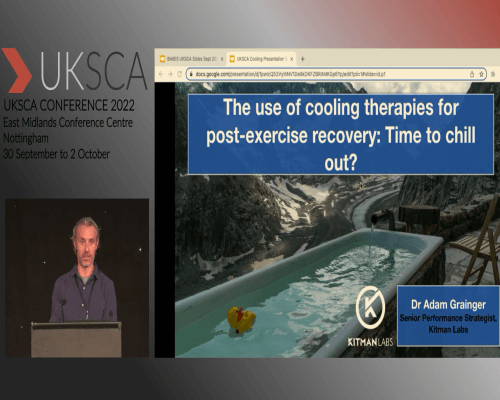
The use of cooling therapies for post exercise recovery

18/08/2023
By Dr Adam Grainger

Adam presents a recent BASES Expert Statement on the use of cooling therapies for post exercise recovery.


This content is available free to registered users

UKSCA-IQ

Join UKSCA-IQ to access this content
Sign In

If you have an existing UKSCA account

Additional resources


Profile img
ARTICLE
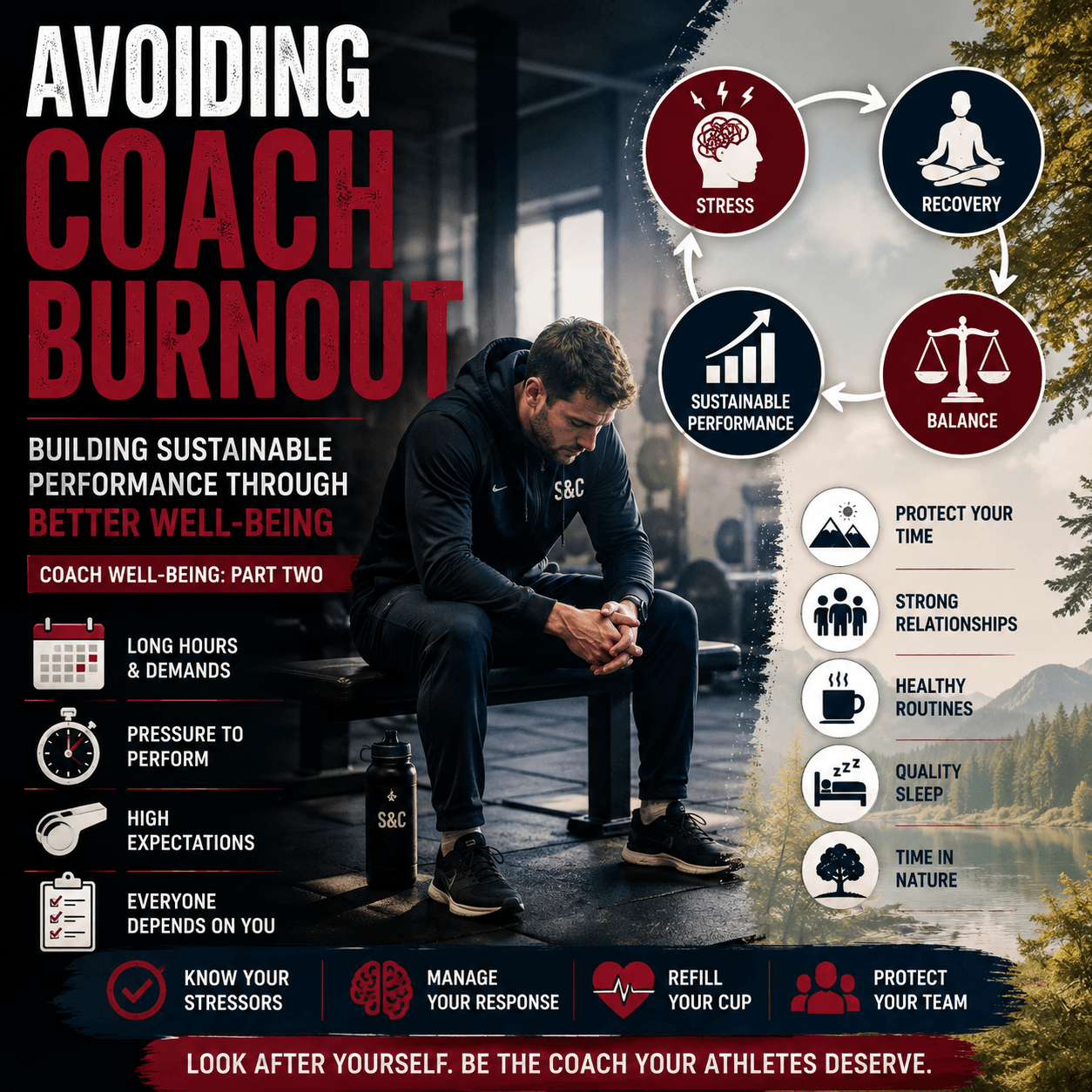
Burnout: how the S&C coach can take steps to avoid it
Learn how strength and conditioning coaches can recognise, prevent and recover from burnout through practical stress management, healthy boundaries and supportive workplace cultures.

Profile img
VIDEO
The use of cooling therapies for post exercise recovery
Adam Grainger
Adam presents a recent BASES Expert Statement on the use of cooling therapies for post exercise recovery.

Profile img
VIDEO
Stress, Recover and Adapt: The potential influence of the female menstrual cycle
Dr Kirsty Hicks
This session examines the latest scientific evidence unravelling the effect of the menstrual cycle on performance, recovery, and adaptation.

Profile img
VIDEO
Blood Flow Restriction: Research to Practice
Stephen Patterson
This session discusses the current state of blood flow restriction training, including applications for performance enhancement and recovery with practical examples.

Profile img
ARTICLE
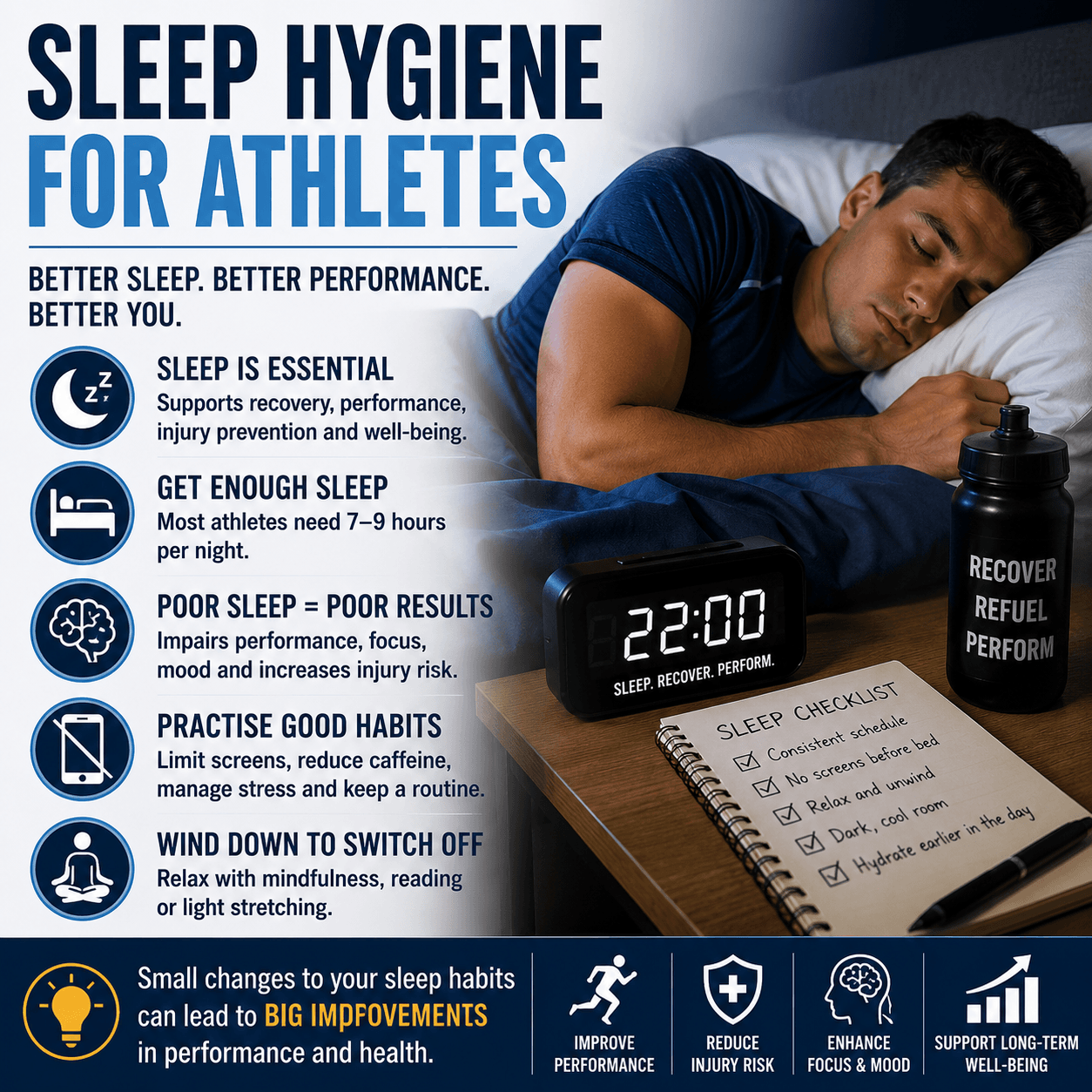
Sleep hygiene for athletes
Explore the importance of sleep for athletes and practical sleep hygiene strategies to support recovery, performance, well-being and injury prevention.

Profile img
VIDEO
Health, wellbeing and social change virtual symposium
David Hembrough
The event introduces the Special Interest Group and a call to action for coaches to consider the wider remit of S&C and their potential to make a difference in a different space.

Profile img
VIDEO
The effect of fatigue on sprint acceleration kinematics in male Gaelic football players
Peter McGill

Profile img
VIDEO
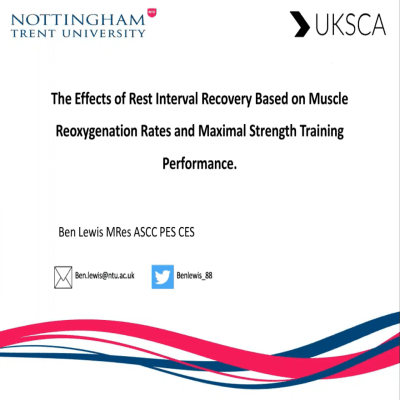
The effects of rest interval recovery based on muscle reoxygenation rates & maximal strength training performance
Ben Lewis

Profile img
ARTICLE
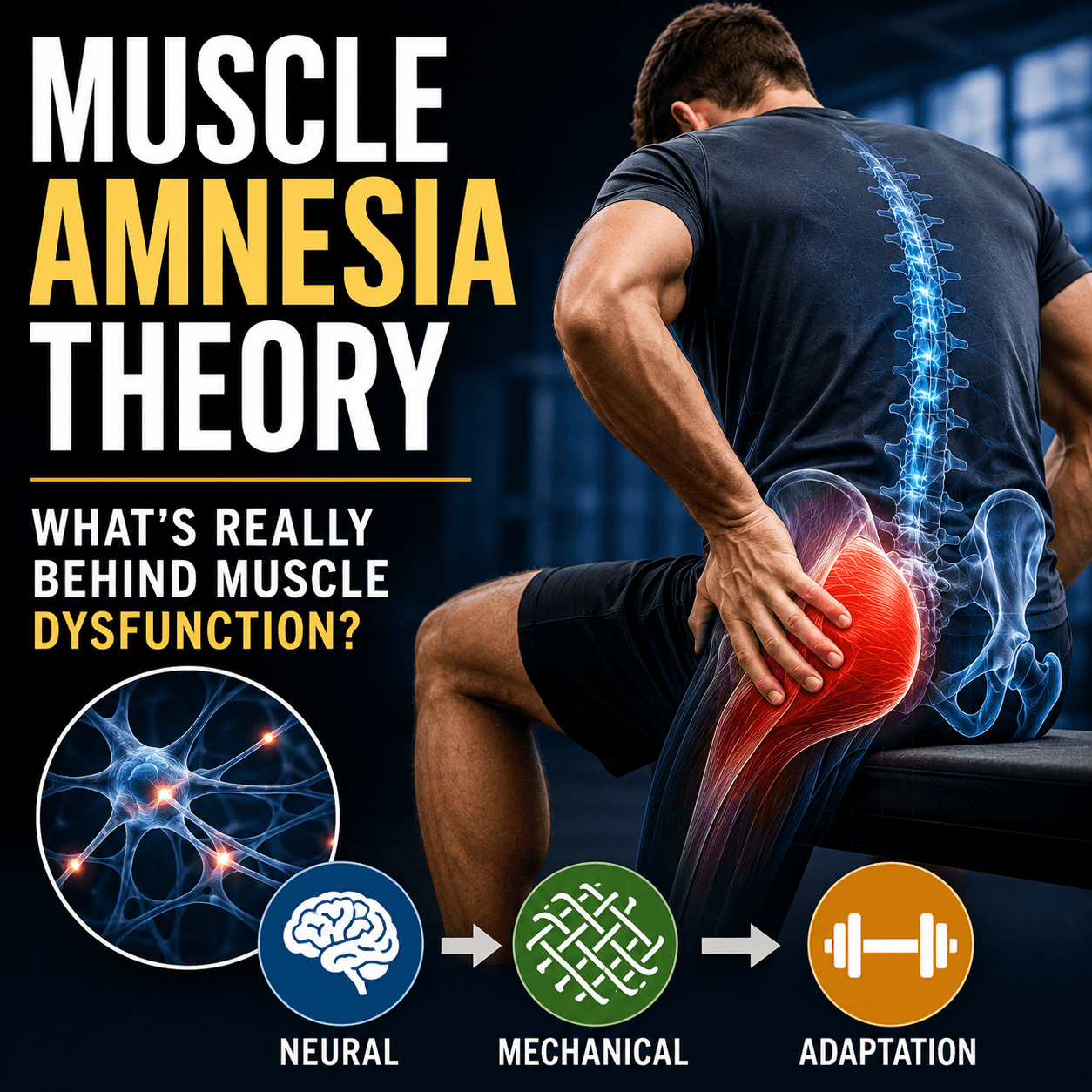
An examination of the muscle amnesia theory
Explore the muscle amnesia theory and evidence questioning neural inhibition, with an alternative explanation based on connective tissue mechanics, load and adaptation.

Profile img
VIDEO
GPS in Gaelic football: Does volume or intensity better indicate player recovery time
Cian Gormley
Exploring the relationship between immunoendocrine concentrations and GPS metrics will allow coaches to better understand the recovery timelines of their athletes, allowing them to better periodise their recovery and training protocols.

Profile img
VIDEO
The cutting movement assessment score (CMAS): A cumulative screening tool to identify athletes with high-risk movement mechanics during cutting
Thomas Dos'Santos
This study explores the relationship between cutting movement assessment score and peak KAMs via 3D motion analysis, and compare cutting mechanics between CMAS trials classed as high and low.

Profile img
VIDEO
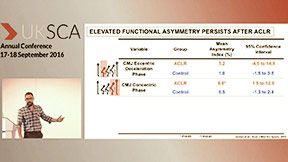
Profiling ACL injuries and return to play criteria
Adam Burton

Profile img
VIDEO
Return to sport monitoring in elite ski racers
Matt Jordan
The presentation will provide an overview of testing methods employed at the Canadian Sport Institute-Calgary, recent data on the neuromuscular function of ACL-reconstructed elite skiers.

Profile img
VIDEO
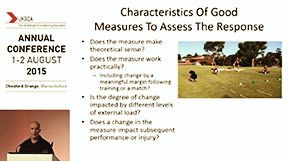
Monitoring training load and fatigue
Stuart Cormack
This presentation will examine the underlying scientific concepts related to monitoring training load and fatigue along with the implications for practical application.

Profile img
VIDEO
Staying on track: managing back injuries in track sprint cyclists
Martin Evans
Martin Evans of British Cycling talks about managing back injuries in the context of his involvement with the team that enjoyed so much success at the 2012 Olympics.