Fuse logo
Logo image

PSCJ


Sleep hygiene for athletes

01/06/2021

Julie Gooderick, Harry Fisher, Rhys Ingram, Leon Williams and Ed Baker

ABSTRACT

Sleep is an essential component of athletic recovery, performance and overall well-being, yet sleep disturbance and insufficient sleep are common among athletes. This article examines athletes’ sleep requirements and the potential consequences of inadequate sleep, including impaired physical and cognitive performance, poorer recovery and increased injury risk. It also considers how training and competition schedules, particularly evening activity, can negatively affect sleep duration and quality. 


The authors highlight the role of coaches in educating athletes about sleep hygiene and present practical strategies that can be incorporated into everyday routines. These include reducing technology use before bedtime, maintaining consistent sleep and wake times, using yoga or mindfulness to wind down and reducing caffeine and alcohol intake. Napping is also discussed as a useful strategy for supplementing insufficient night-time sleep when training or competition schedules are unfavourable. 


The article concludes that simple, low-cost sleep hygiene practices may improve athletes’ sleep duration and quality. Although travel and competition schedules can make consistent routines difficult, educating athletes about effective sleep behaviours may help reduce sleep debt, improve performance, lower injury risk and support long-term physical and mental well-being.
Related Topics


In this issue

Profile img
ARTICLE
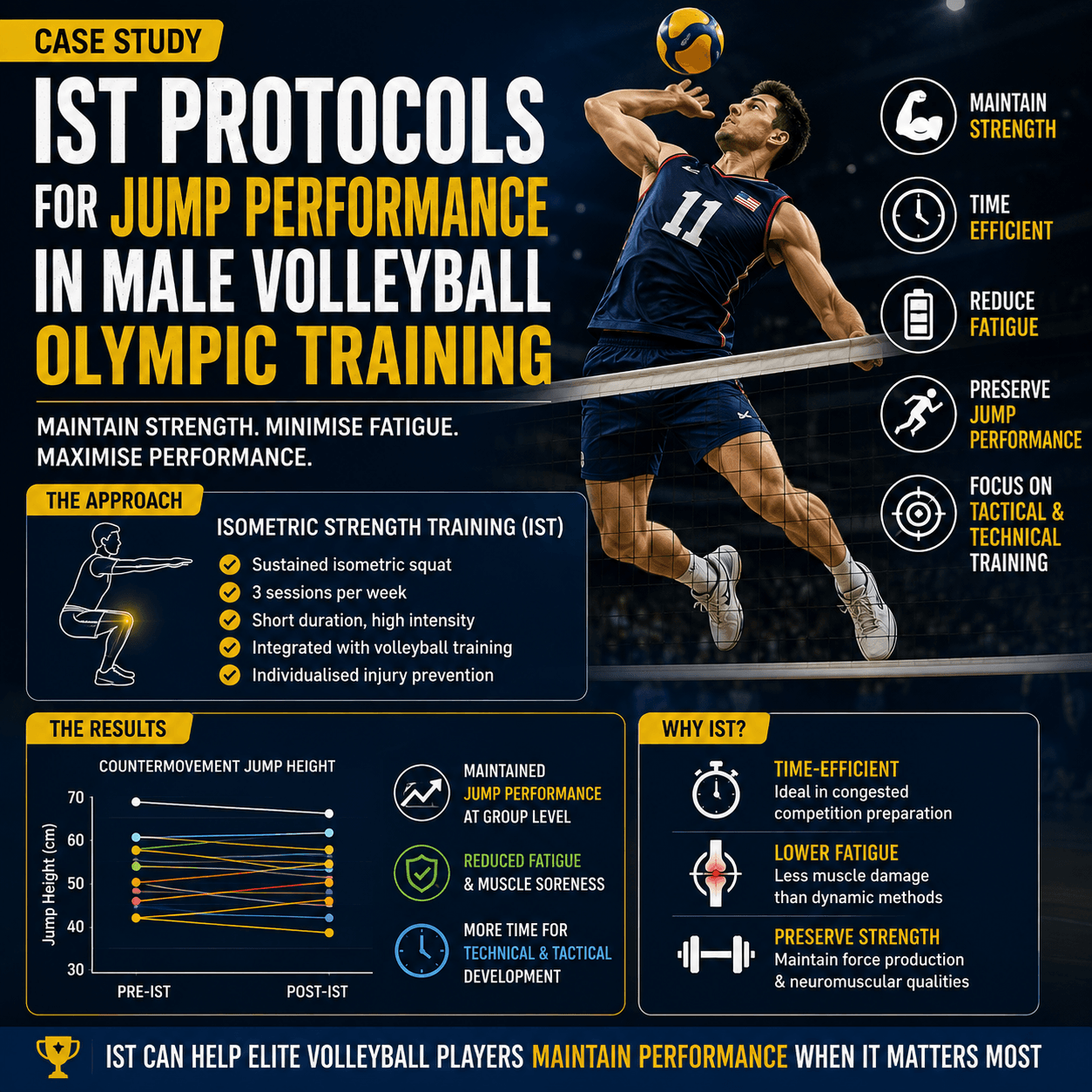
IST protocols for jump performance in male volleyball Olympic training
Explore how isometric strength training (IST) can help maintain vertical jump performance in elite volleyball players during Olympic preparation while reducing fatigue and preserving time for technical and tactical training.

Profile img
ARTICLE
Using qualitative technique analysis to evaluate and develop agility actions
Learn how qualitative technique analysis can improve agility performance by using biomechanical principles to evaluate movement, identify technical faults and design targeted coaching interventions for change of direction actions.

Profile img
ARTICLE
PREMIUM
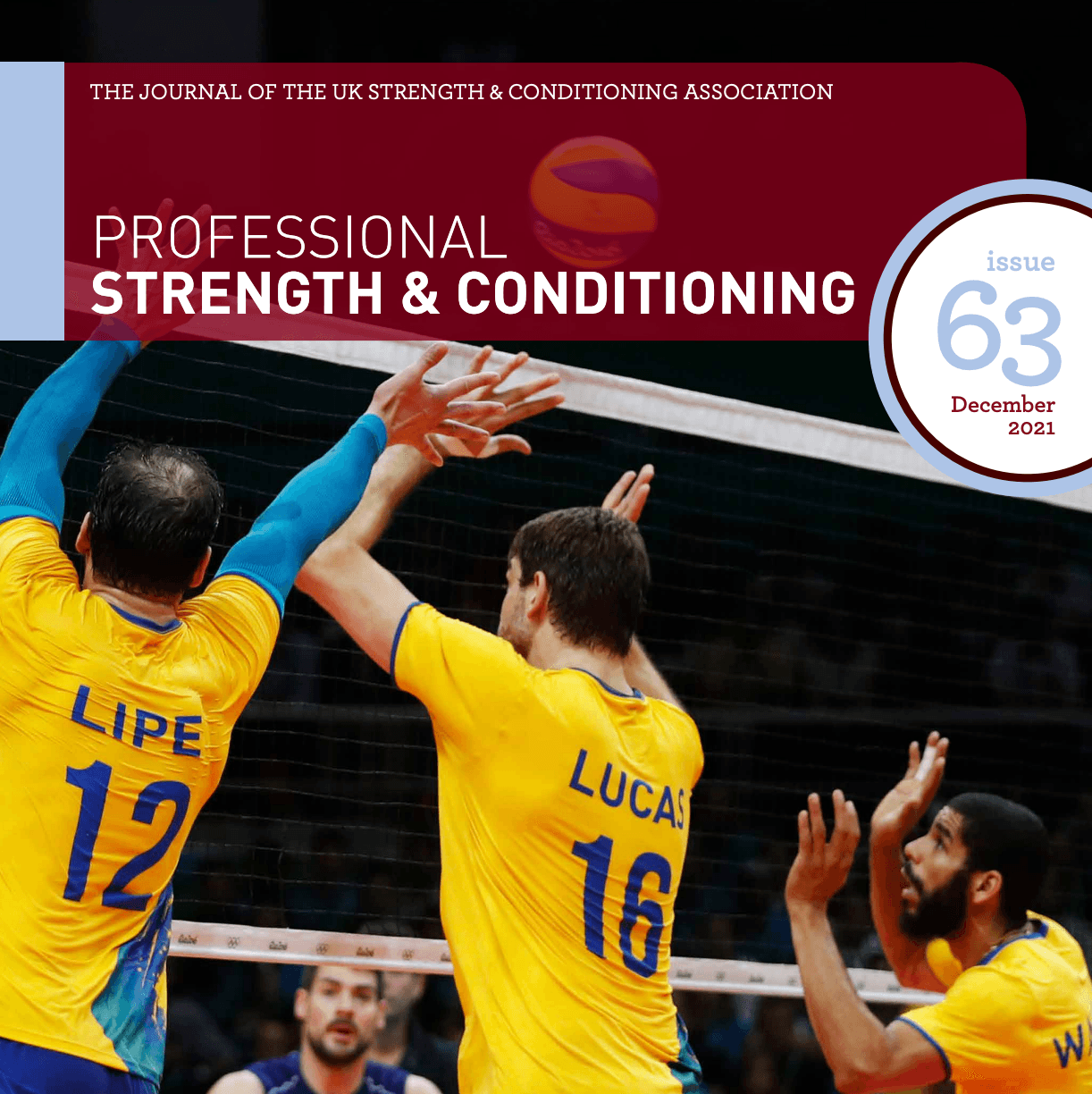
Professional Strength & Conditioning - issue 63 - December 2021
Various
Educating tomorrow's coach; New S&C Professional Pathway; Protocols for jump performance in Volleyball Training; Using Qualitative Analysis for Agility Action Technique.

Profile img
ARTICLE
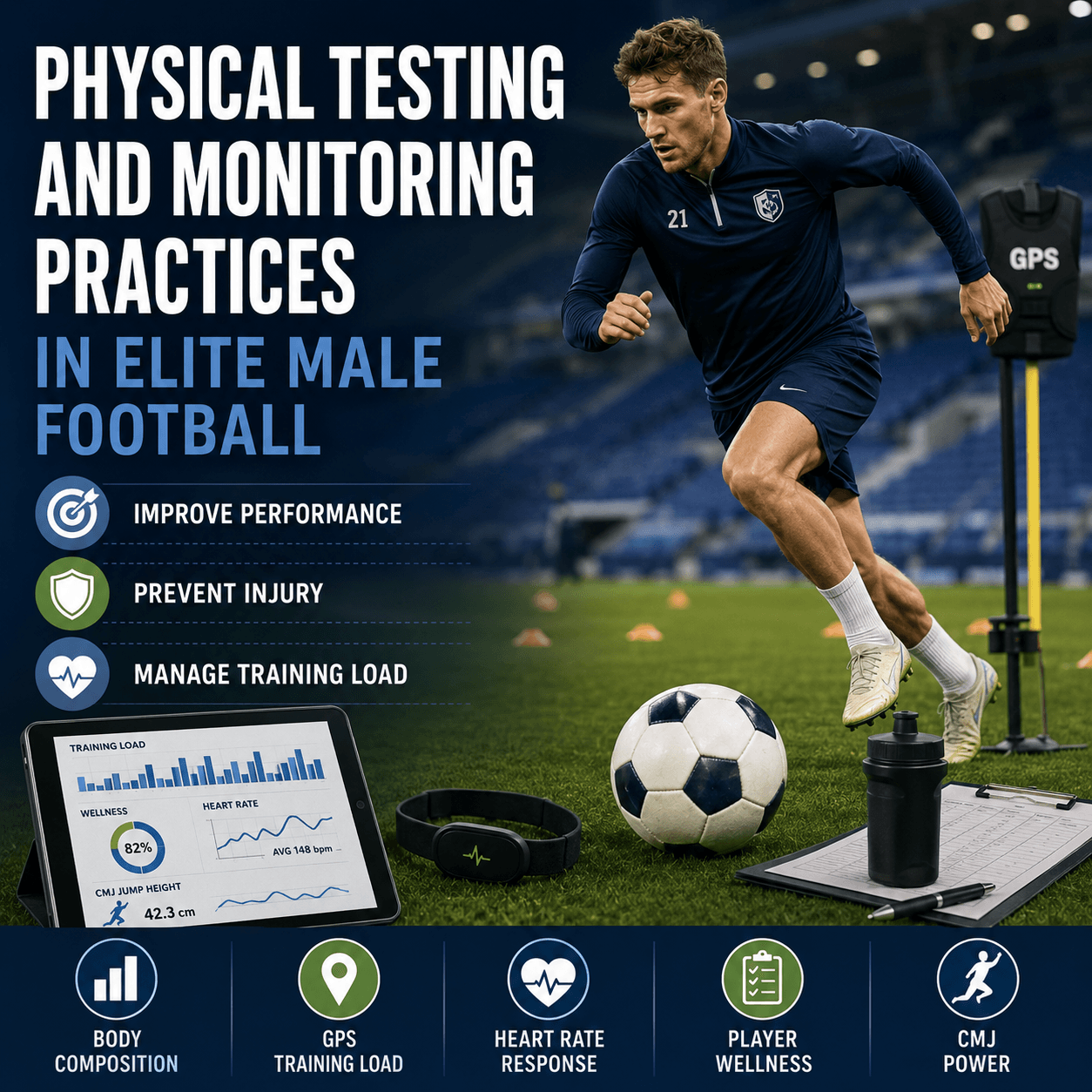
Physical testing and monitoring practices in elite male football
Explore physical testing and monitoring practices in elite male football, including GPS, body composition, CMJ, heart rate and player wellness.

Profile img
ARTICLE
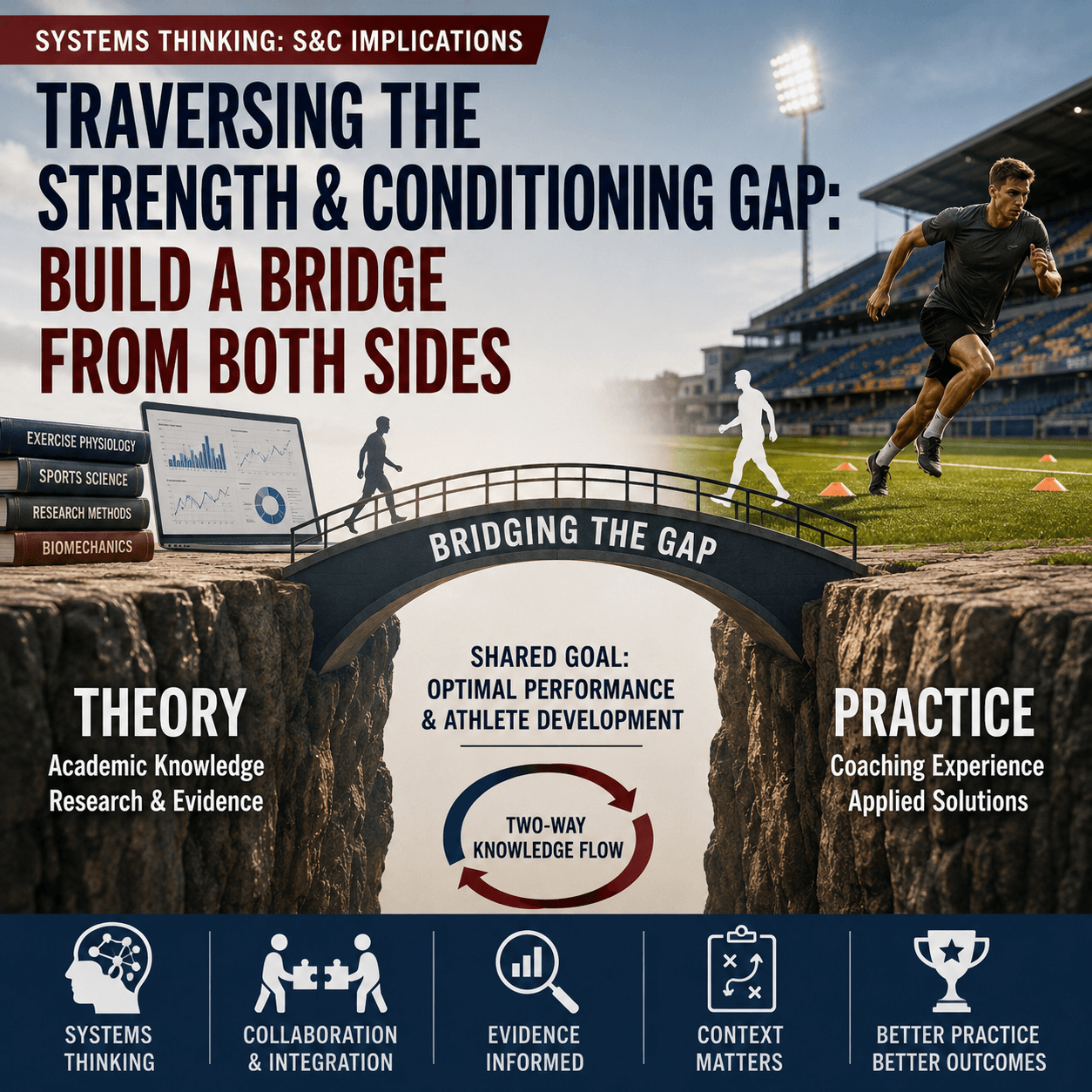
Traversing the strength and conditioning gap: build a bridge from both sides
Ian Jeffreys explores the theory-practice gap in strength and conditioning and how systems thinking can help academics and coaches build a bridge from both sides.

Profile img
ARTICLE
PREMIUM
Professional Strength & Conditioning - Issue 62 - September 2021
Various
Strength Training and Jump Performance in Academy Soccer Players; Traversing the S&C gap; Physical Testing and Monitoring in Elite Male Football.

Profile img
ARTICLE
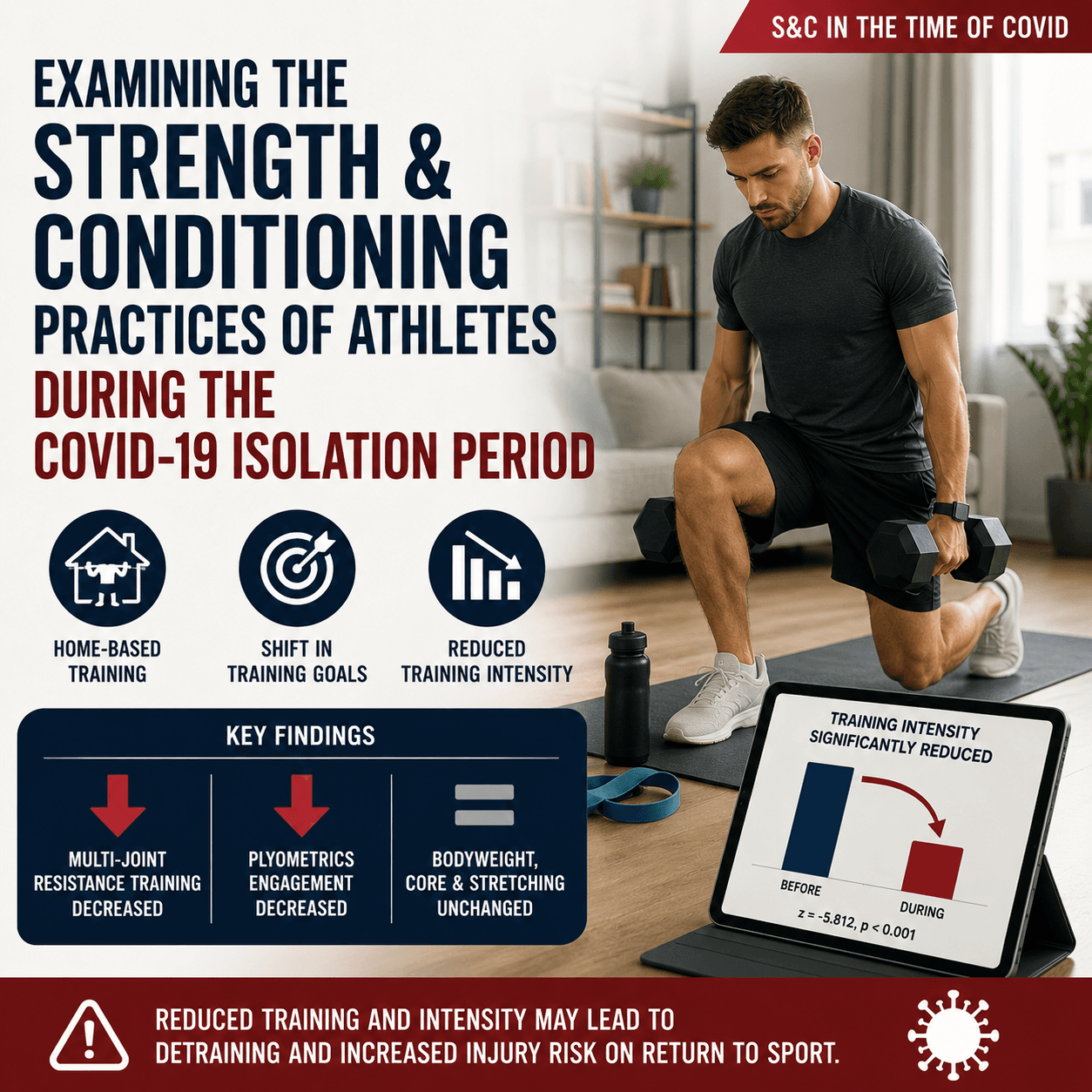
Examining the strength and conditioning practices of athletes during the COVID-19 isolation period
Explore how COVID-19 isolation affected athletes’ strength and conditioning practices, training intensity, goals and potential detraining.

Profile img
ARTICLE
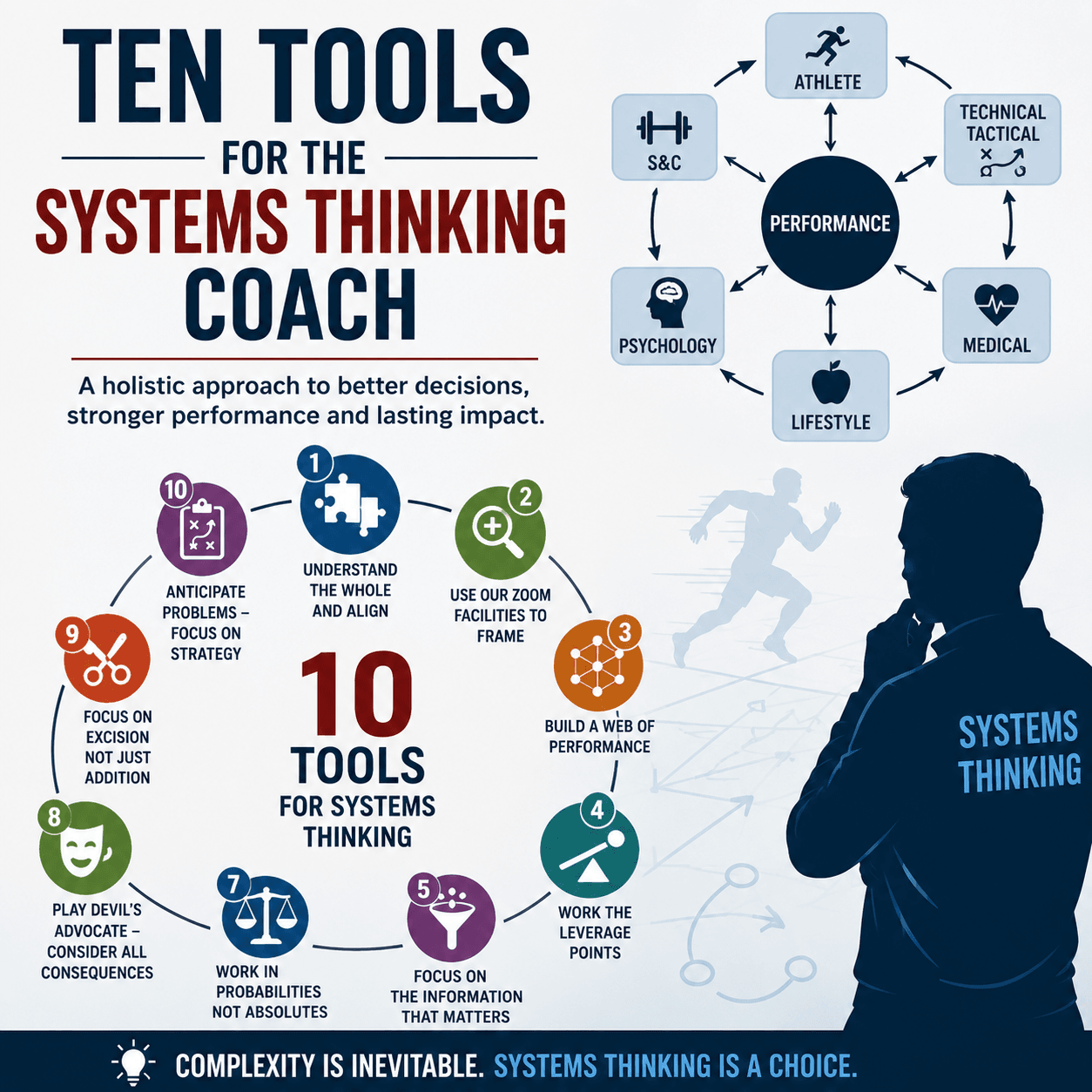
Ten tools for the systems thinking coach
Ian Jeffreys presents ten practical tools to help strength and conditioning coaches apply systems thinking and make more effective, context-specific decisions.

Profile img
ARTICLE
PREMIUM
Professional Strength & Conditioning - Issue 61 - June 2021
Various
S&C practices during COVID-19 isolation; Ten Tools for the Systems Thinking Coach; Sleep Hygiene for athletes.

Profile img
ARTICLE
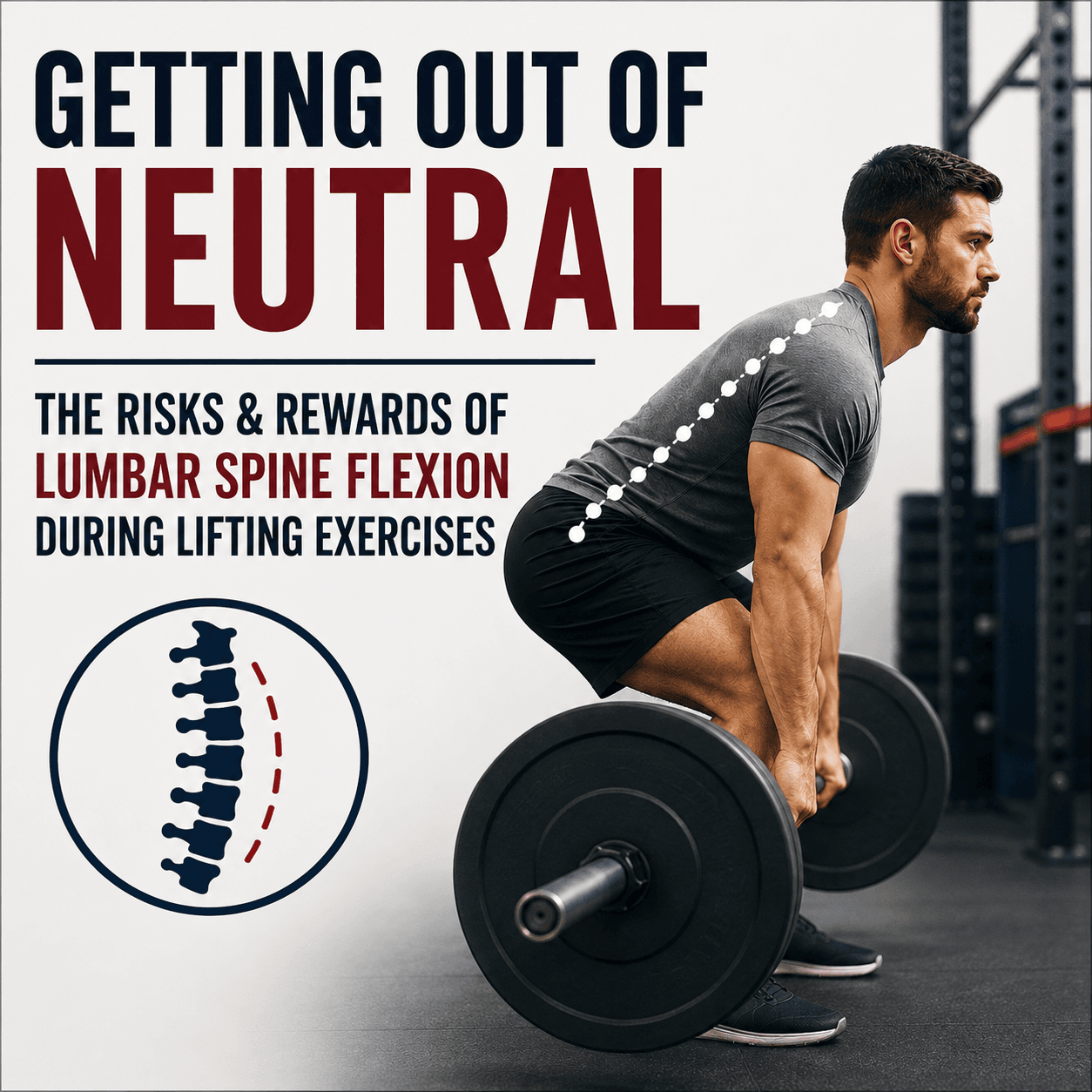
Getting out of neutral: the risks and rewards of lumbar spine flexion during lifting exercises
Explore the risks and benefits of lumbar spine flexion during lifting, challenging the traditional emphasis on maintaining a neutral spine.

Profile img
ARTICLE
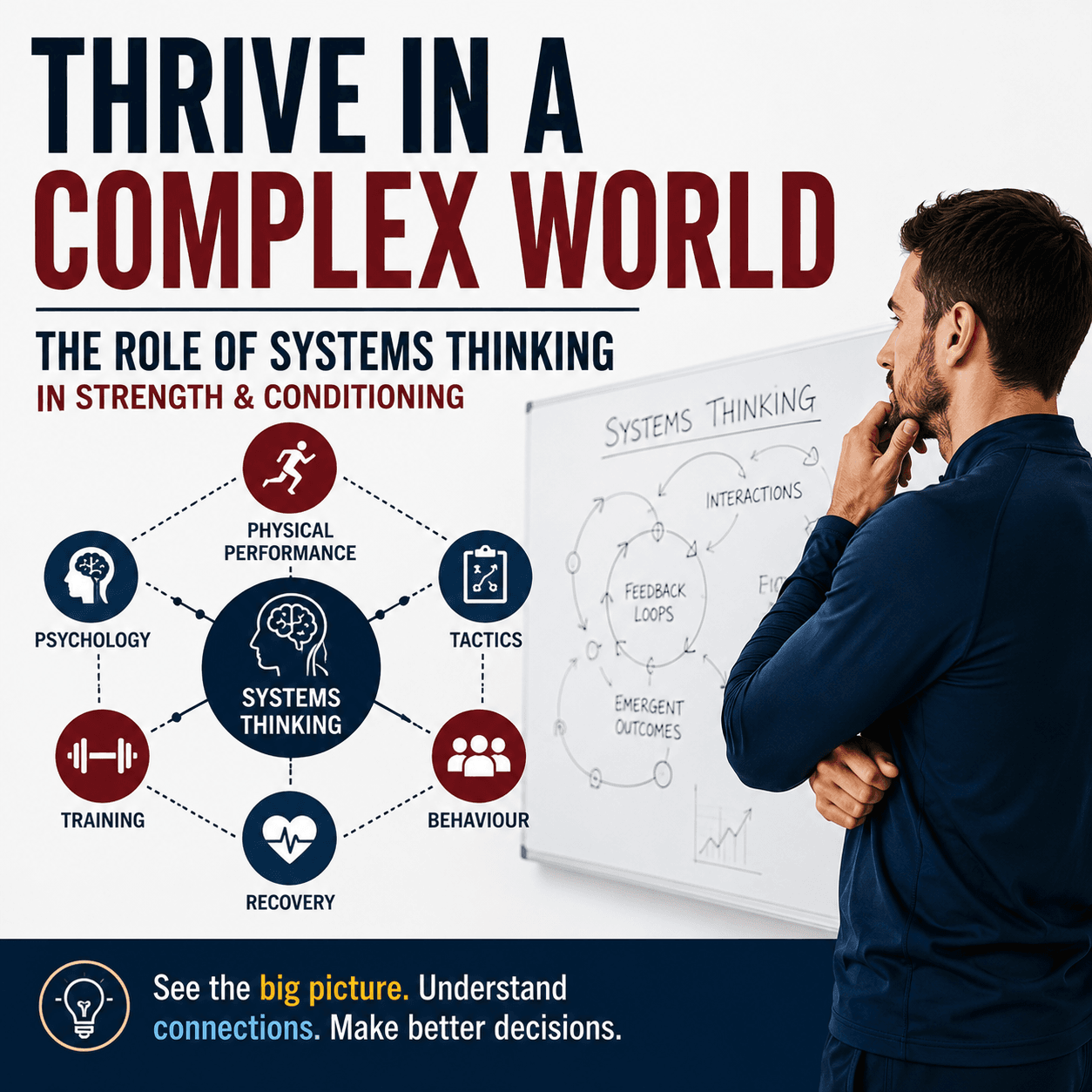
How to thrive in a complex world: the role of systems thinking
Ian Jeffreys explores how systems thinking can help strength and conditioning coaches understand complexity, improve decision-making and optimise athlete performance.

Profile img
ARTICLE
PREMIUM
Professional Strength & Conditioning - Issue 60 - March 2021
Various
Qualifications and Skill Sets Required for S&C Employment; Risks/Rewards of Lumbar Flexion During Lifting; The Role of systems thinking.