Fuse logo
Logo image

PSCJ


Getting out of neutral: the risks and rewards of lumbar spine flexion during lifting exercises

31/03/2021

Louis Howe and Greg Lehman

ABSTRACT

This article examines the traditional strength and conditioning recommendation that athletes should maintain a neutral lumbar spine during lifting exercises such as squats and deadlifts. The authors question whether a neutral spine can realistically be maintained and whether avoiding lumbar flexion is necessary to reduce injury risk. Evidence reviewed in the article suggests that experienced lifters demonstrate considerable lumbar flexion during common strength exercises, even when specifically coached to maintain a neutral or lordotic posture. 


The article explores the relationship between spinal posture, tissue loading and injury, noting that evidence directly linking moderate lumbar flexion during lifting with low back pain is limited. While fully flexed positions under heavy loads may present greater risks, submaximal flexion does not necessarily reduce the spine’s tolerance to compressive loading. The authors also highlight the adaptive capacity of spinal structures and suggest that appropriately programmed resistance training may increase the spine’s ability to tolerate load. 


Moderate lumbar flexion may also provide performance advantages by altering lifting mechanics, improving the contribution of the hip and spinal extensor musculature and allowing the load to remain closer to the hip and lumbosacral joints. The authors conclude that coaches should not necessarily regard lumbar flexion as a technical fault. Instead, lifting technique should consider the individual athlete, exercise demands and loading history, while avoiding unnecessarily exhausting the athlete’s full lumbar flexion capacity during heavy lifting.
Related Topics


In this issue

Profile img
ARTICLE
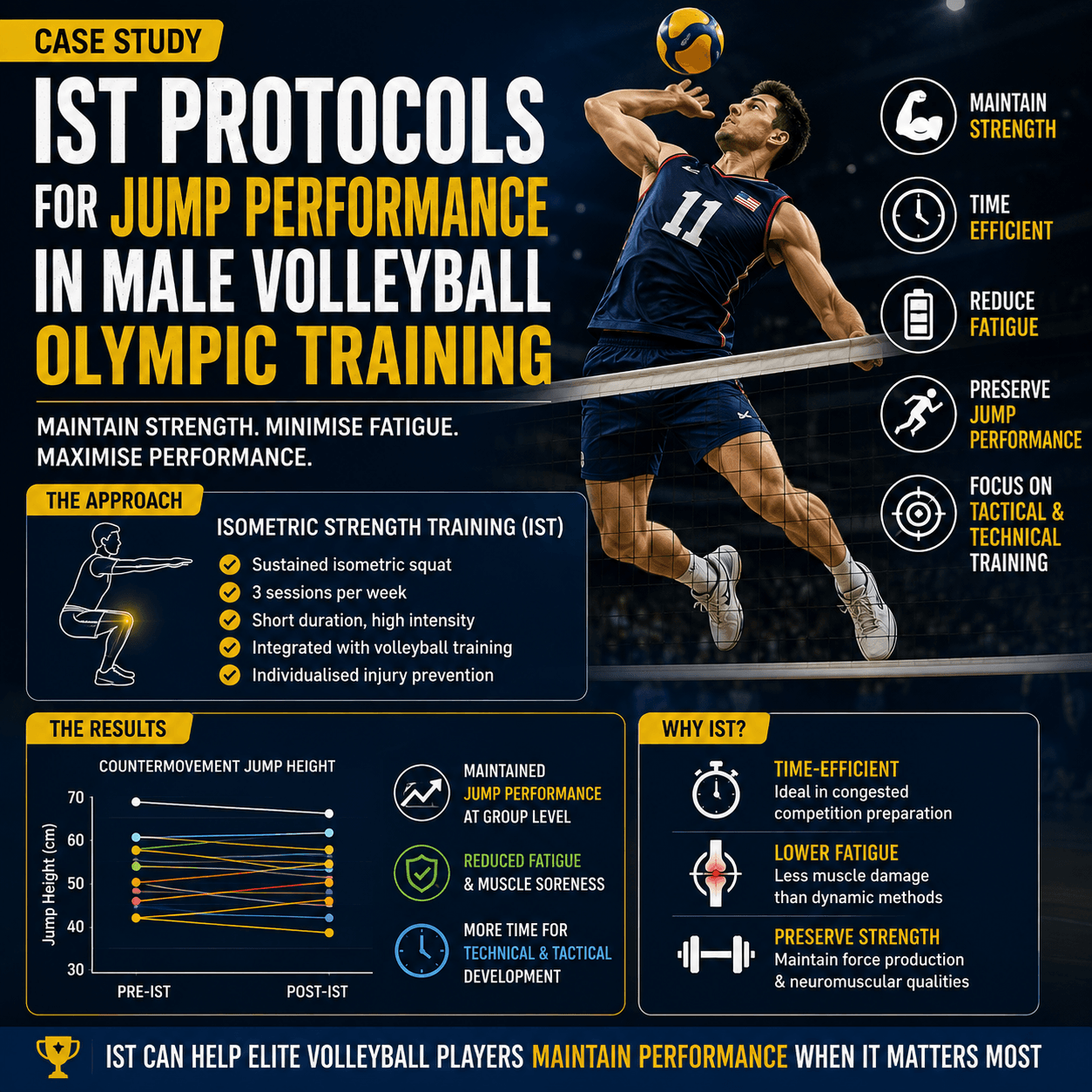
IST protocols for jump performance in male volleyball Olympic training
Explore how isometric strength training (IST) can help maintain vertical jump performance in elite volleyball players during Olympic preparation while reducing fatigue and preserving time for technical and tactical training.

Profile img
ARTICLE
Using qualitative technique analysis to evaluate and develop agility actions
Learn how qualitative technique analysis can improve agility performance by using biomechanical principles to evaluate movement, identify technical faults and design targeted coaching interventions for change of direction actions.

Profile img
ARTICLE
PREMIUM
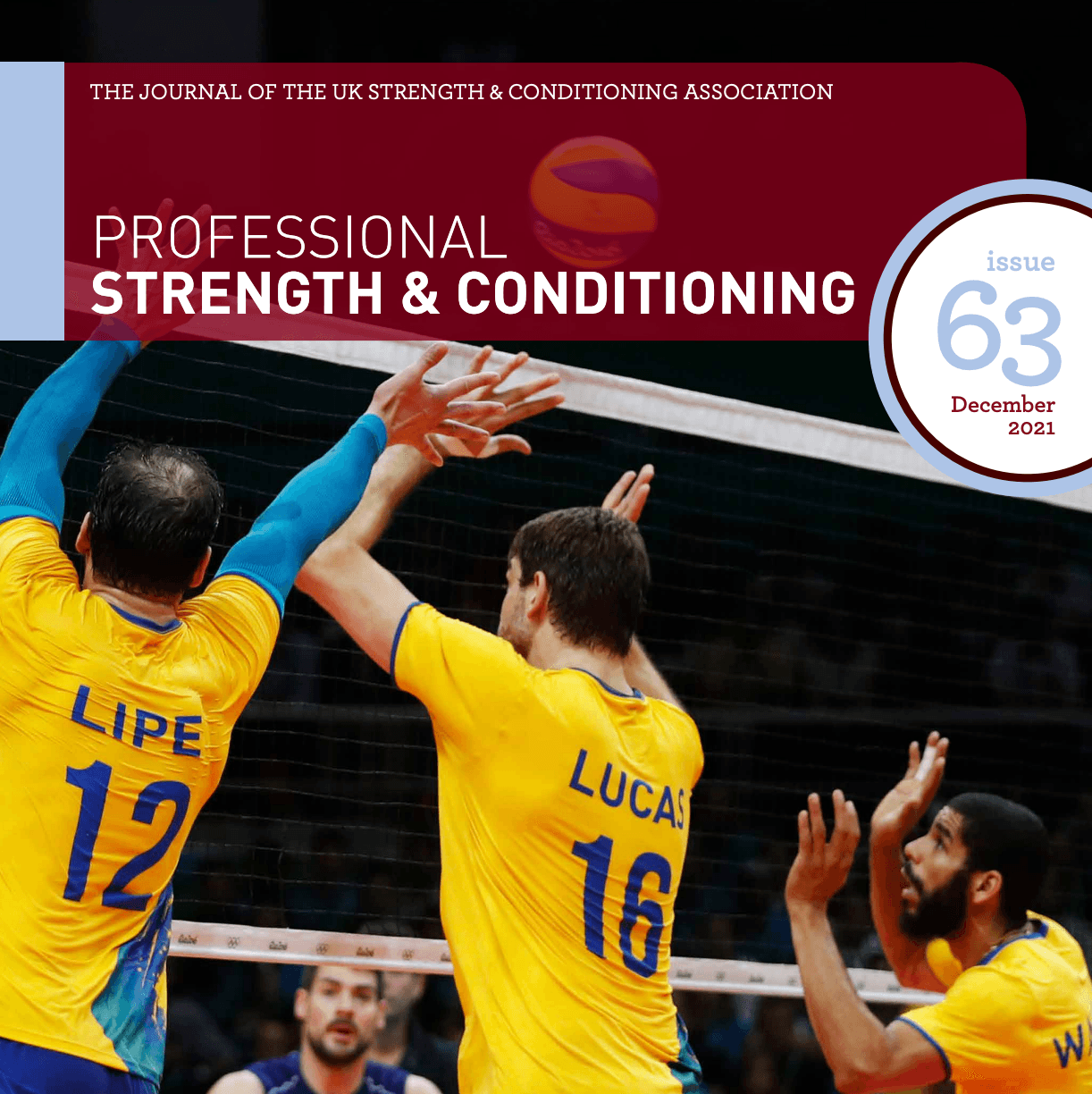
Professional Strength & Conditioning - issue 63 - December 2021
Various
Educating tomorrow's coach; New S&C Professional Pathway; Protocols for jump performance in Volleyball Training; Using Qualitative Analysis for Agility Action Technique.

Profile img
ARTICLE
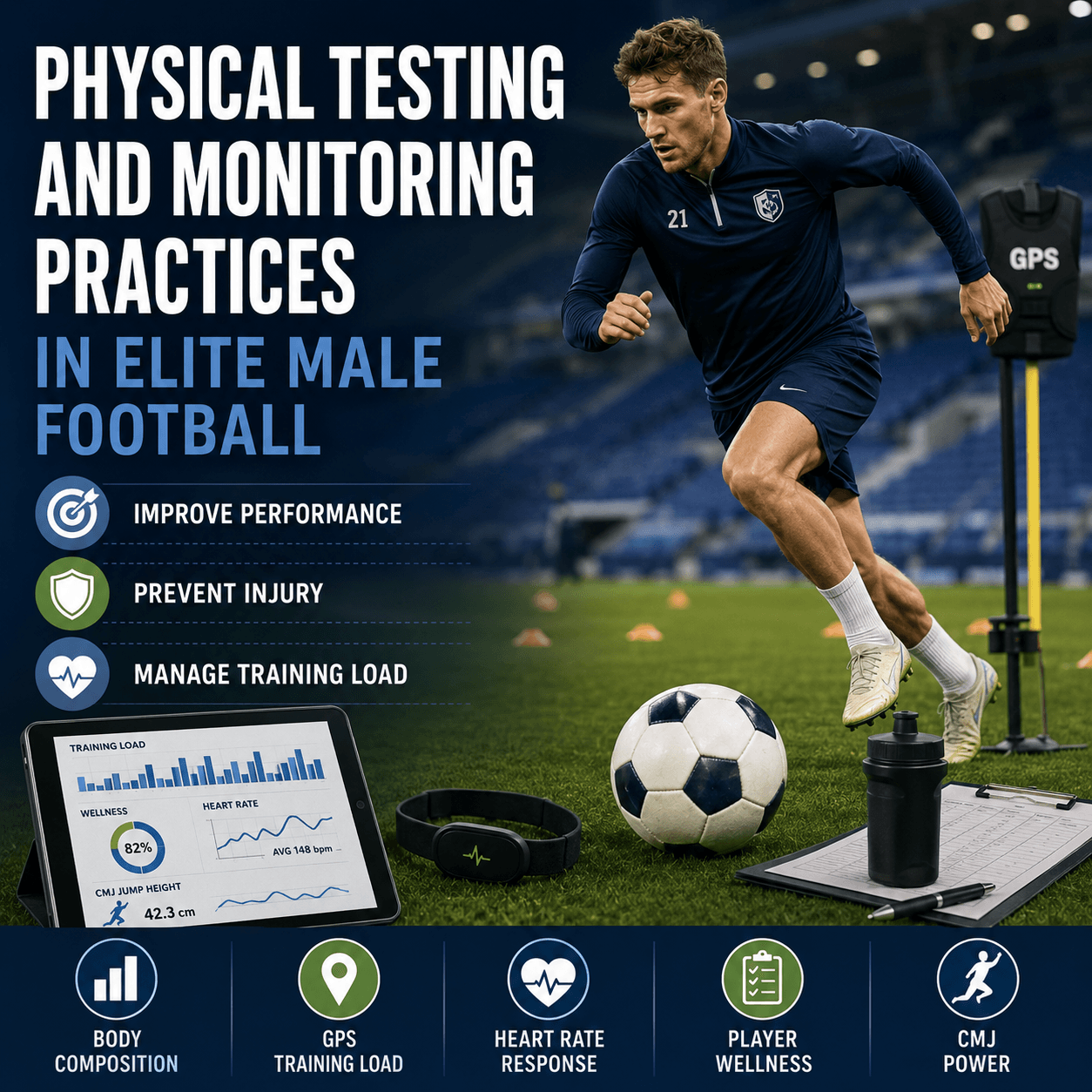
Physical testing and monitoring practices in elite male football
Explore physical testing and monitoring practices in elite male football, including GPS, body composition, CMJ, heart rate and player wellness.

Profile img
ARTICLE
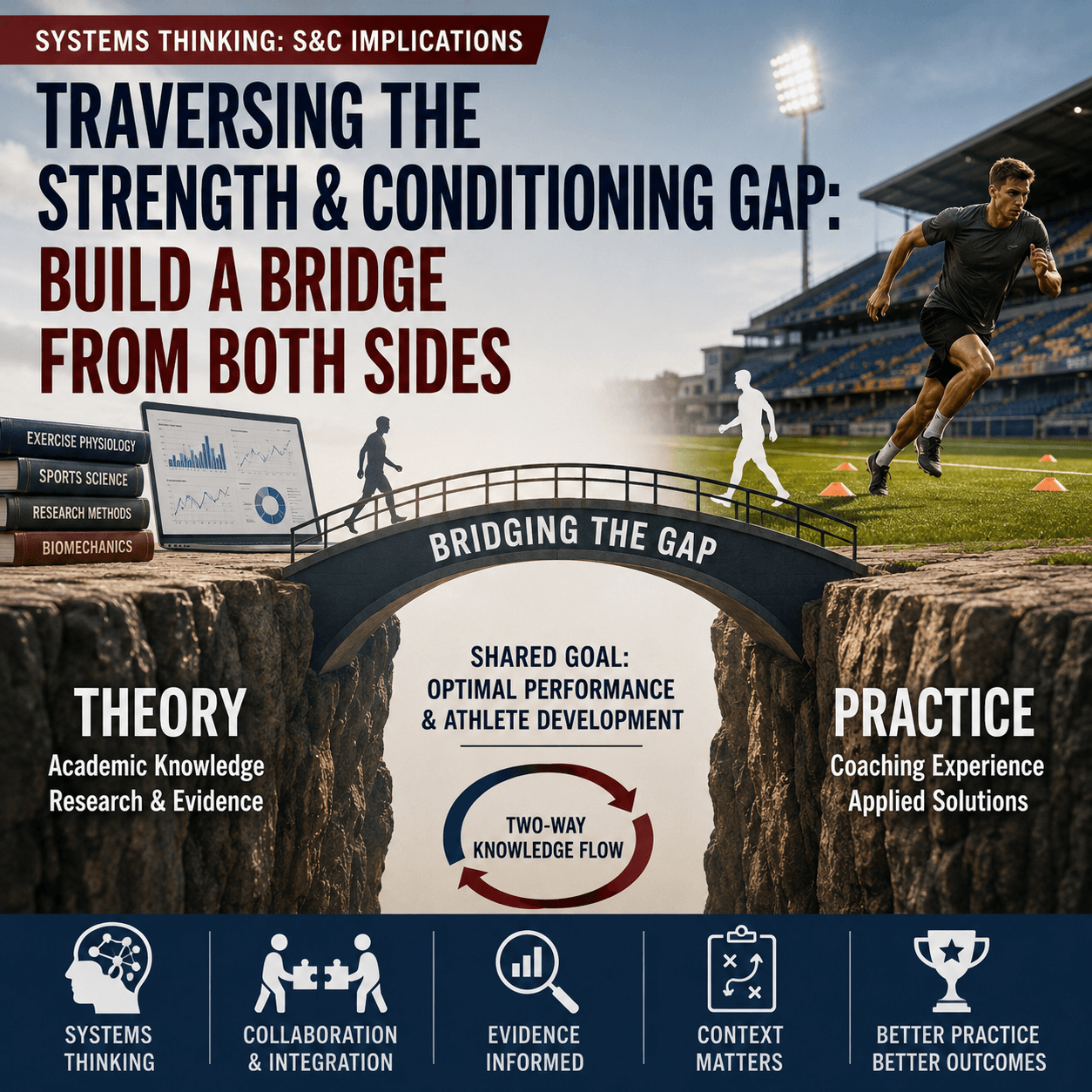
Traversing the strength and conditioning gap: build a bridge from both sides
Ian Jeffreys explores the theory-practice gap in strength and conditioning and how systems thinking can help academics and coaches build a bridge from both sides.

Profile img
ARTICLE
PREMIUM
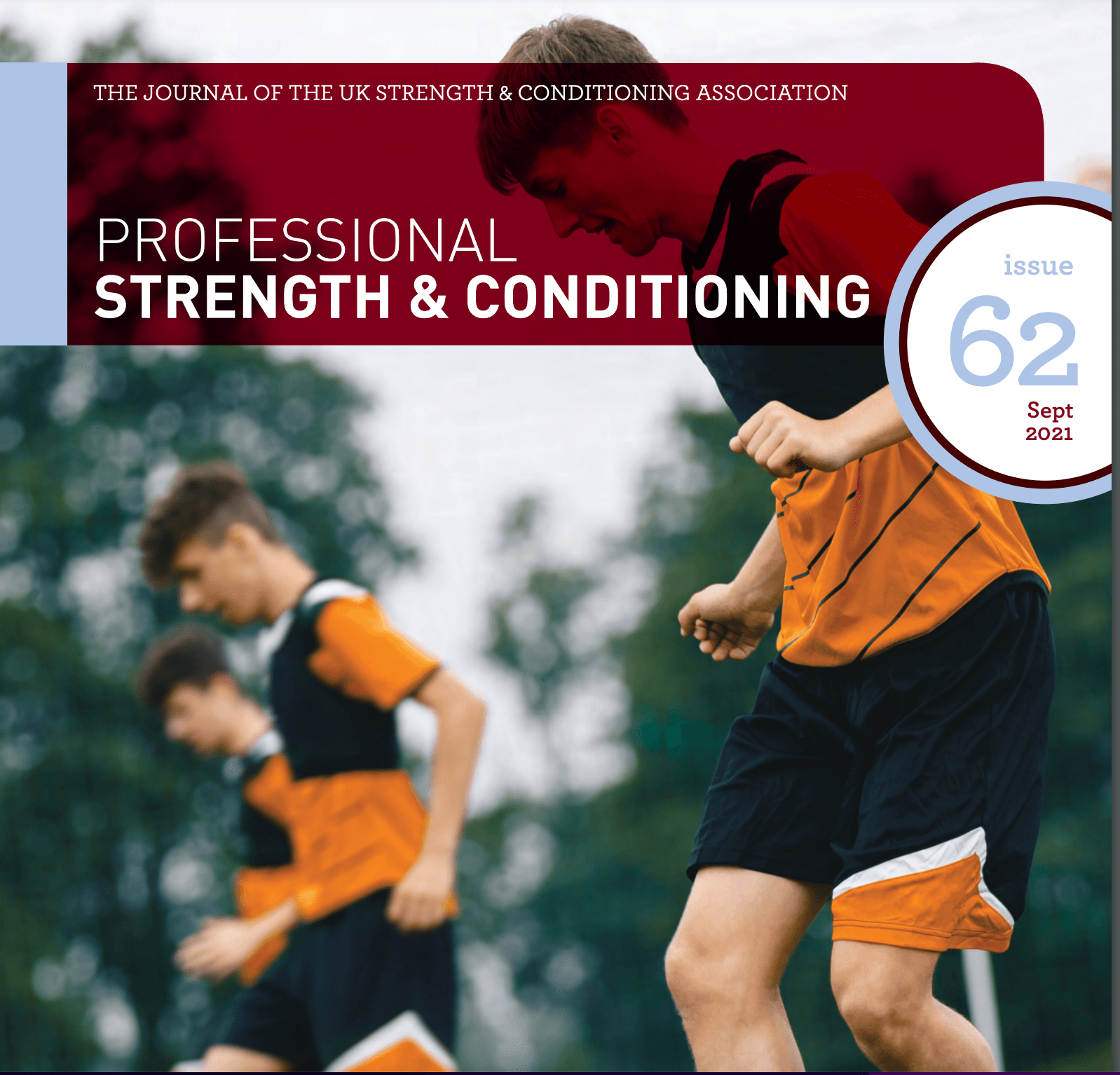
Professional Strength & Conditioning - Issue 62 - September 2021
Various
Strength Training and Jump Performance in Academy Soccer Players; Traversing the S&C gap; Physical Testing and Monitoring in Elite Male Football.

Profile img
ARTICLE
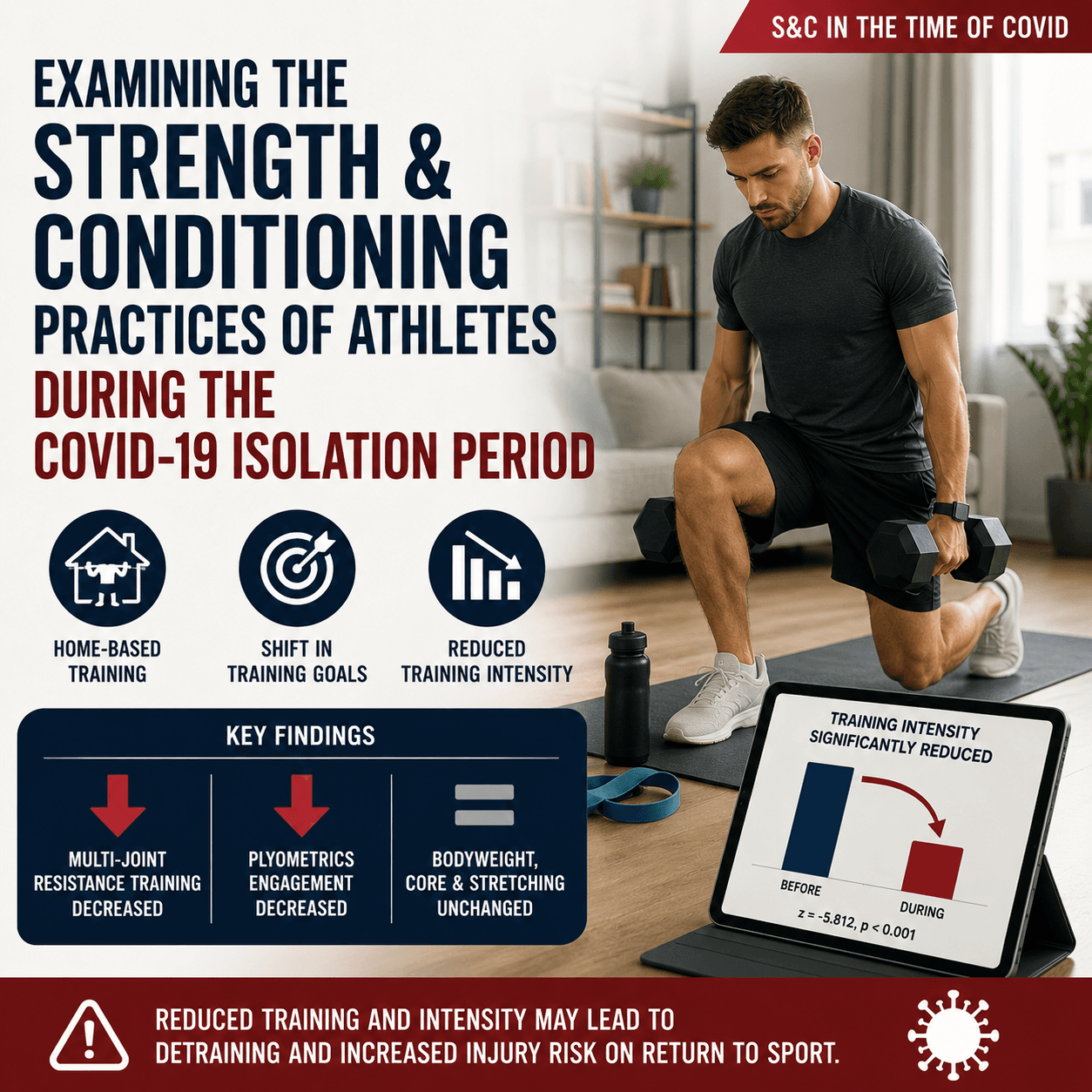
Examining the strength and conditioning practices of athletes during the COVID-19 isolation period
Explore how COVID-19 isolation affected athletes’ strength and conditioning practices, training intensity, goals and potential detraining.

Profile img
ARTICLE
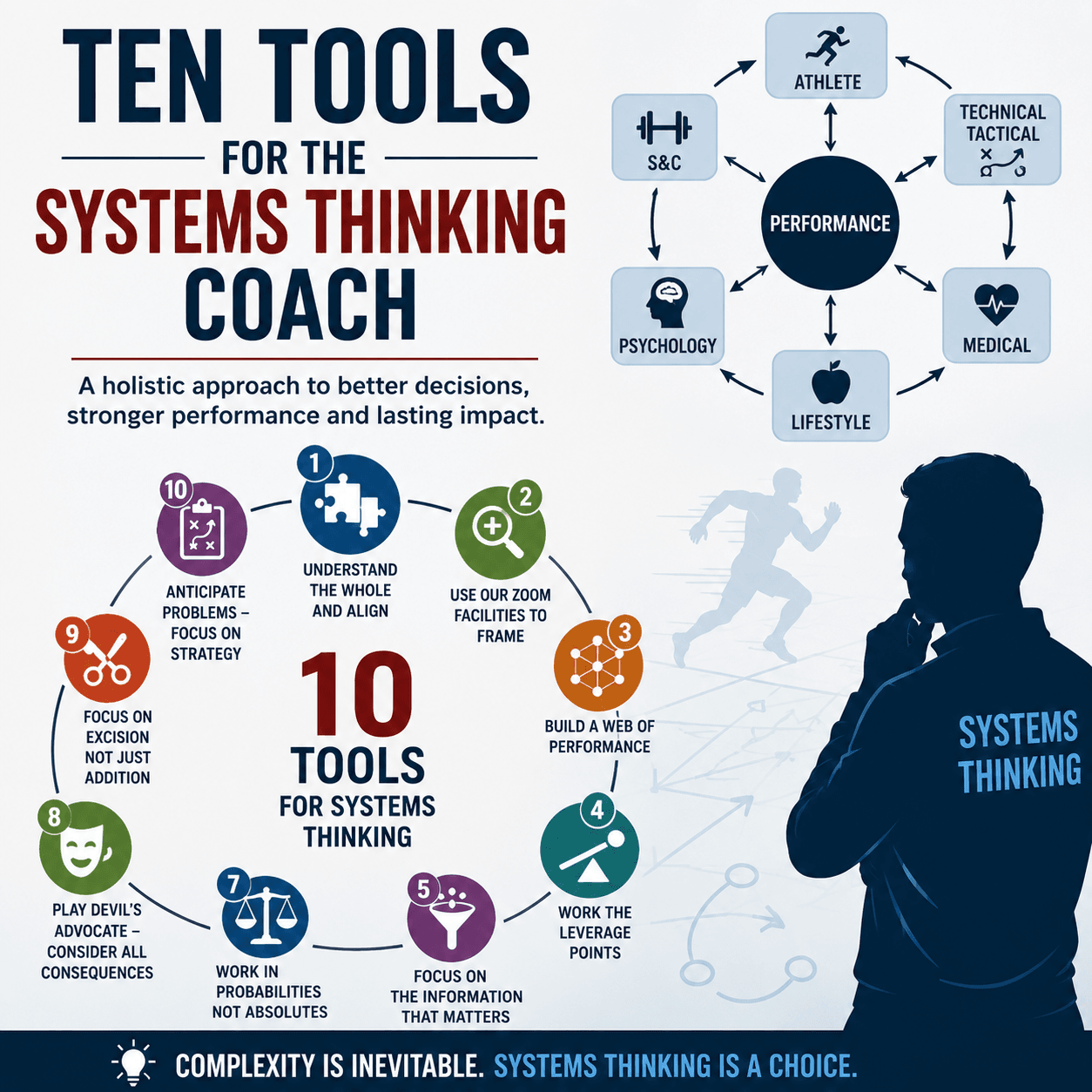
Ten tools for the systems thinking coach
Ian Jeffreys presents ten practical tools to help strength and conditioning coaches apply systems thinking and make more effective, context-specific decisions.

Profile img
ARTICLE
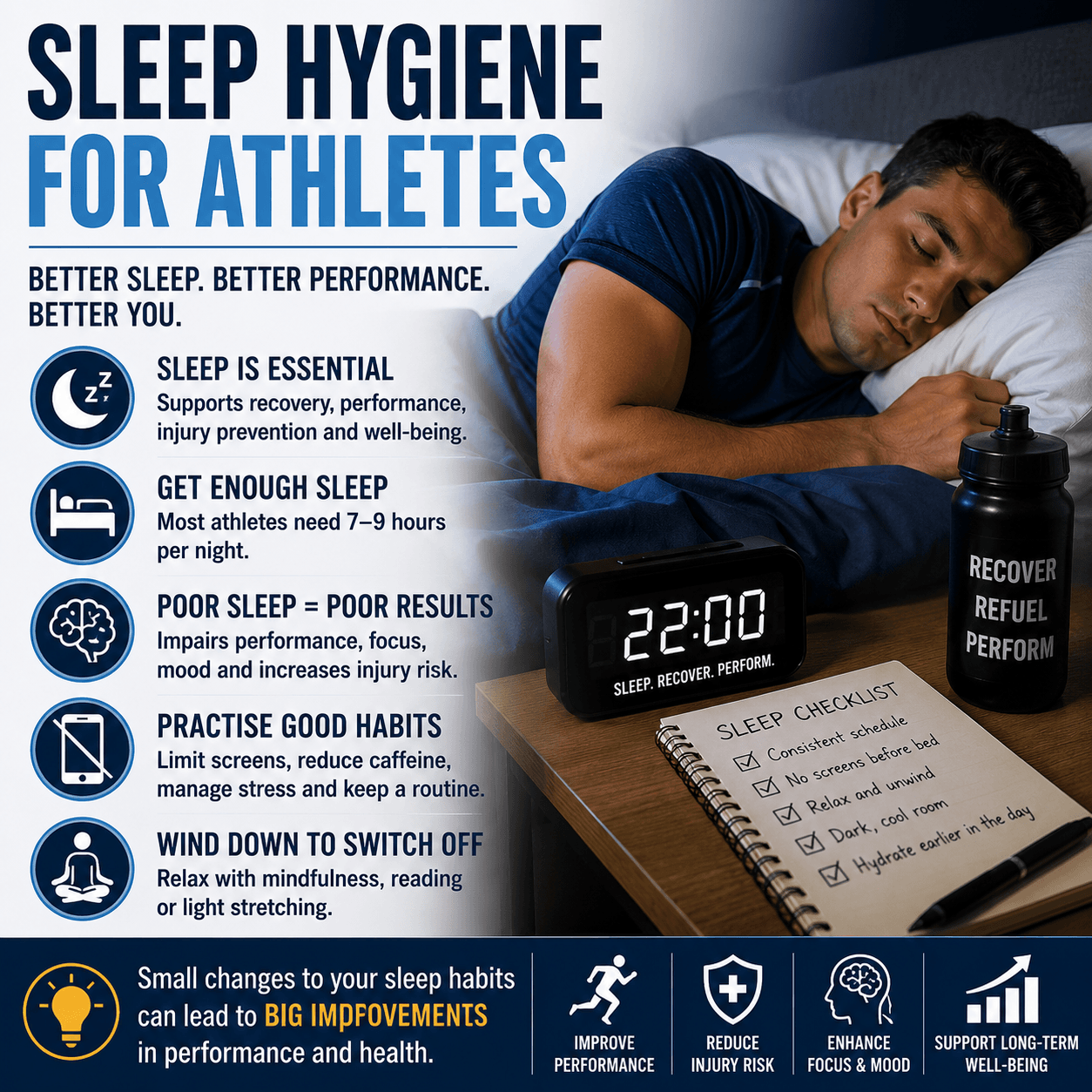
Sleep hygiene for athletes
Explore the importance of sleep for athletes and practical sleep hygiene strategies to support recovery, performance, well-being and injury prevention.

Profile img
ARTICLE
PREMIUM
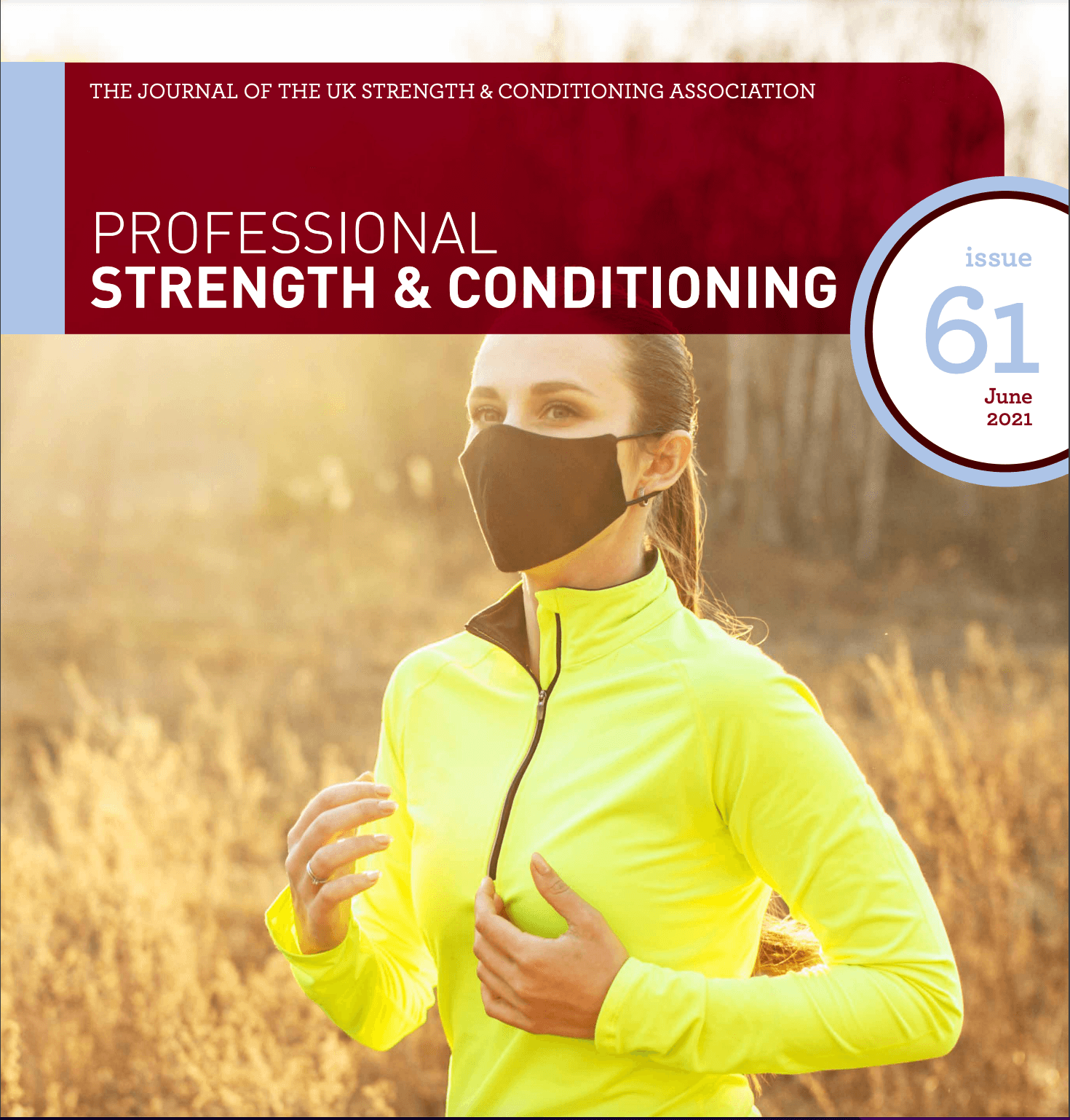
Professional Strength & Conditioning - Issue 61 - June 2021
Various
S&C practices during COVID-19 isolation; Ten Tools for the Systems Thinking Coach; Sleep Hygiene for athletes.

Profile img
ARTICLE
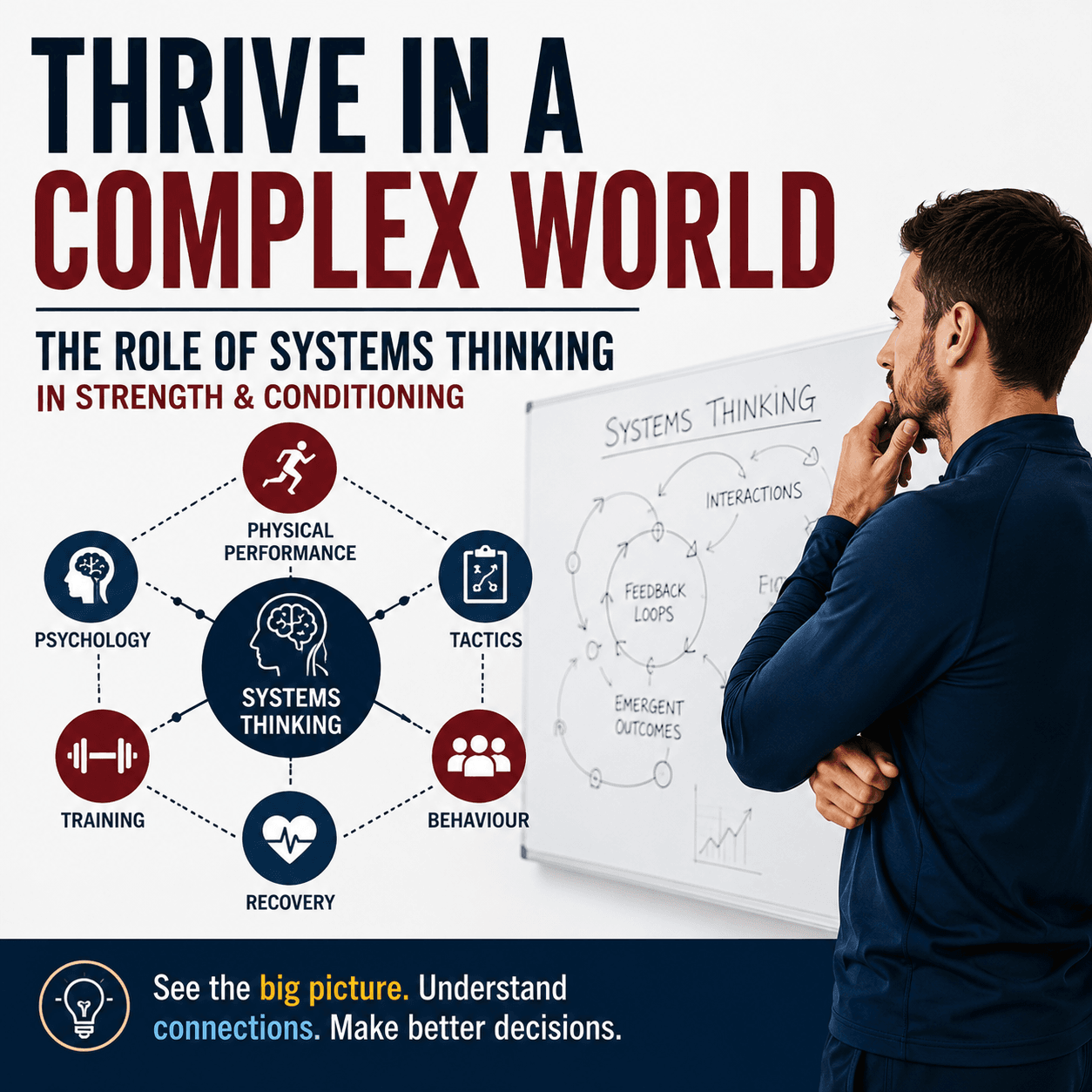
How to thrive in a complex world: the role of systems thinking
Ian Jeffreys explores how systems thinking can help strength and conditioning coaches understand complexity, improve decision-making and optimise athlete performance.

Profile img
ARTICLE
PREMIUM
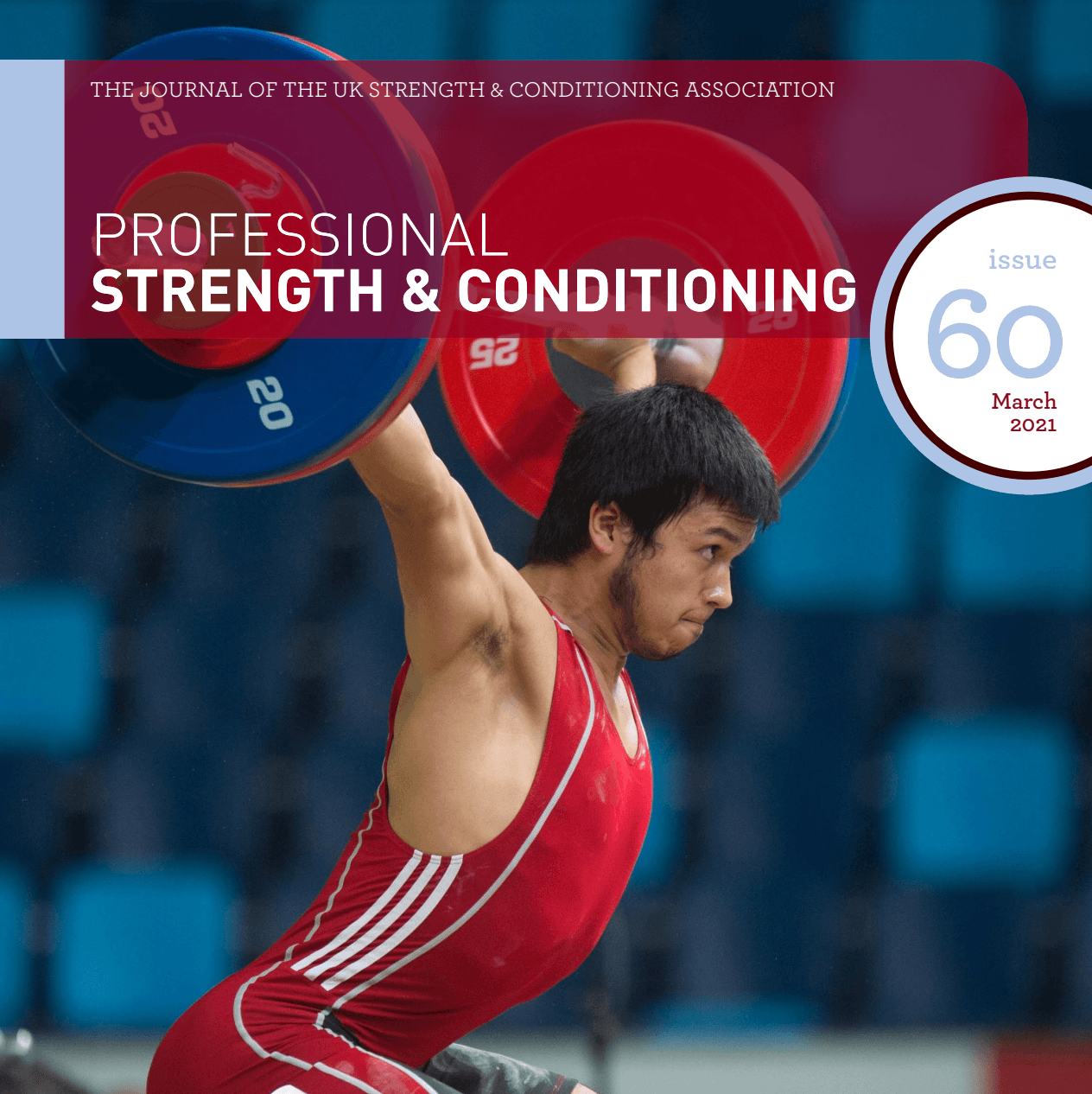
Professional Strength & Conditioning - Issue 60 - March 2021
Various
Qualifications and Skill Sets Required for S&C Employment; Risks/Rewards of Lumbar Flexion During Lifting; The Role of systems thinking.