Fuse logo
Logo image

PSCJ


Anatomy and mechanics: Part 1 - Position and movement

13/07/2023

Daniel Scott

ABSTRACT

This first article in a four-part series challenges traditional biomechanical models by examining the role of passive tissues in human movement. Rather than viewing muscles as the primary drivers of locomotion acting through simple lever systems, the author argues that fascia, tendons, ligaments and other passive tissues play a fundamental role in transmitting force, regulating movement and influencing performance. Drawing on concepts including biotensegrity, mechanotransduction and tissue adaptation, the article explores how passive tissues interact with the neuromuscular system to create an integrated mechanical network that governs both acute movement and long-term adaptation. It examines how tissue stiffness, loading history and force transmission influence efficiency, posture, movement quality and injury risk, while proposing that active and passive tissues should be considered as a single composite functional system rather than separate entities. The article concludes that a more holistic understanding of anatomy and mechanics provides strength and conditioning practitioners with a richer framework for interpreting movement, designing training interventions and preparing for the applied discussions on sprint performance and injury presented in subsequent articles in the series.


Related Topics

Profile image
Author: Dan Scott

Dan is a Strength and Conditioning Coach at the University of St. Andrews, Scotland, where he works with the University male and female golf teams. He also works on the Golf Scholarship Programme at St. Andrews.
In this issue

Profile img
ARTICLE
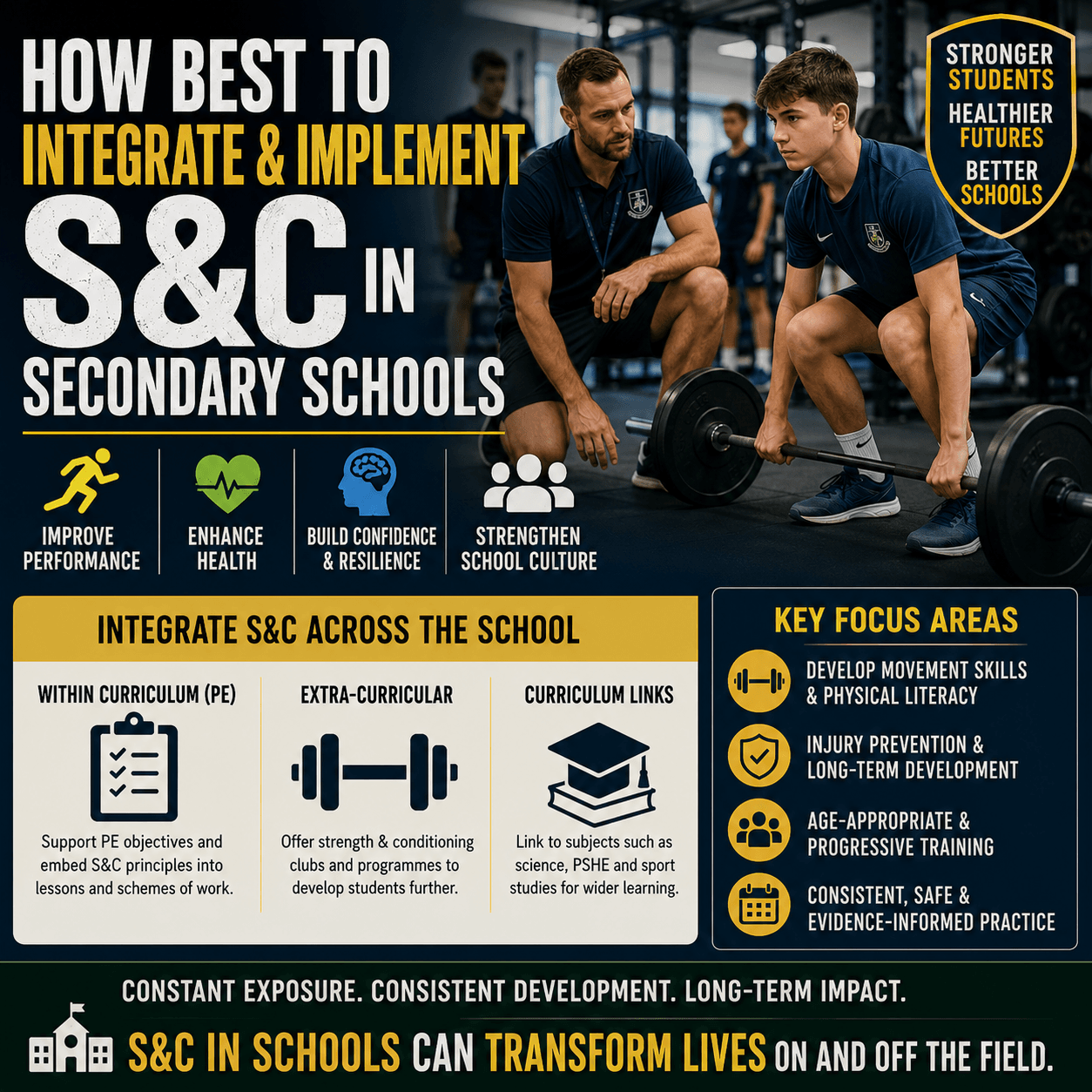
How best to integrate and implement S&C in secondary schools
Learn how to successfully integrate strength and conditioning into secondary schools, with practical strategies for PE, youth athletic development, resistance training and long-term physical literacy.

Profile img
ARTICLE
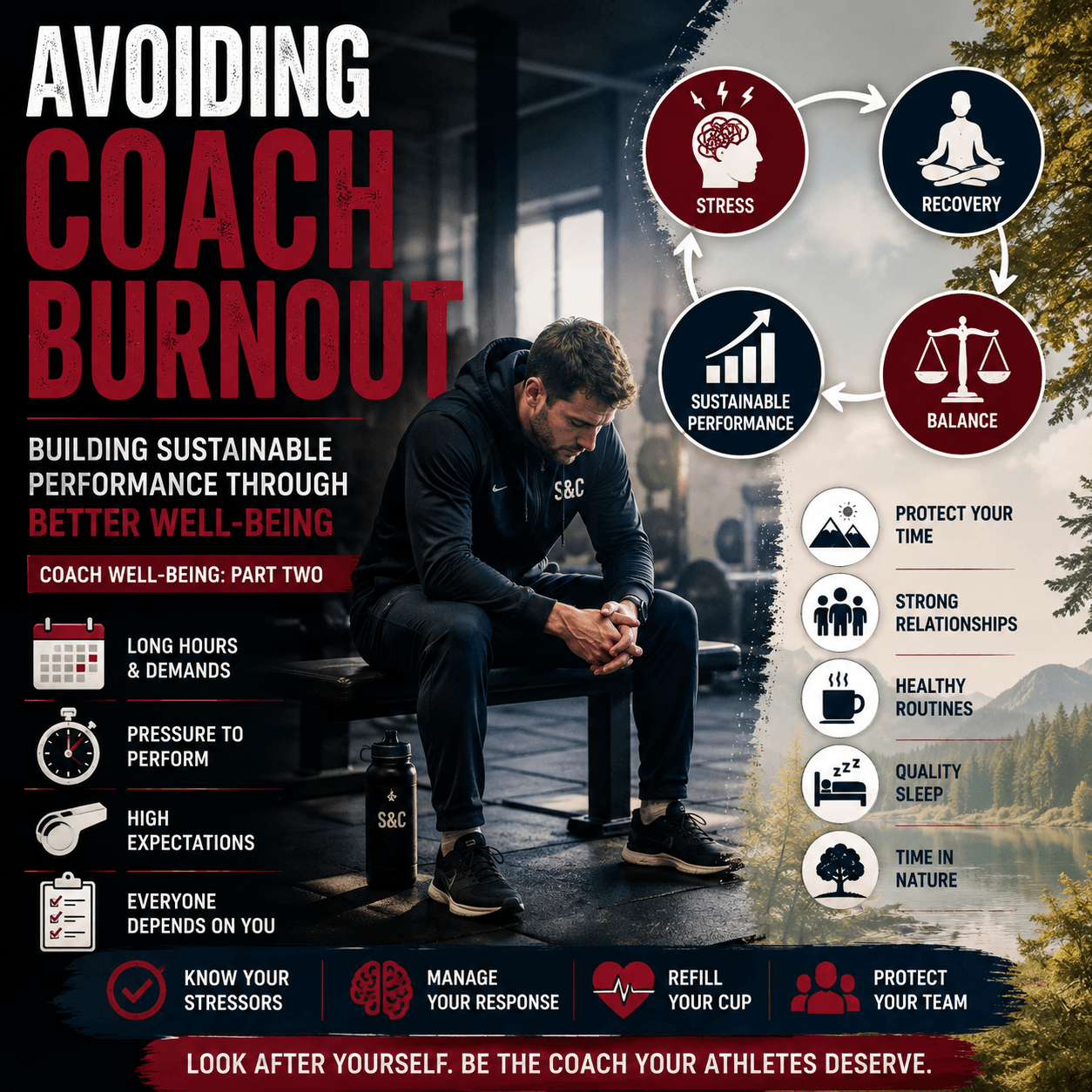
Burnout: how the S&C coach can take steps to avoid it
Learn how strength and conditioning coaches can recognise, prevent and recover from burnout through practical stress management, healthy boundaries and supportive workplace cultures.

Profile img
ARTICLE
PREMIUM
Professional Strength & Conditioning - Issue 69 - Autumn 2023
Various
How Best to Integrate S&C in Secondary Schools; Career Advice and the Girl's Pathway; Burnout: How to Avoid It.

Profile img
ARTICLE
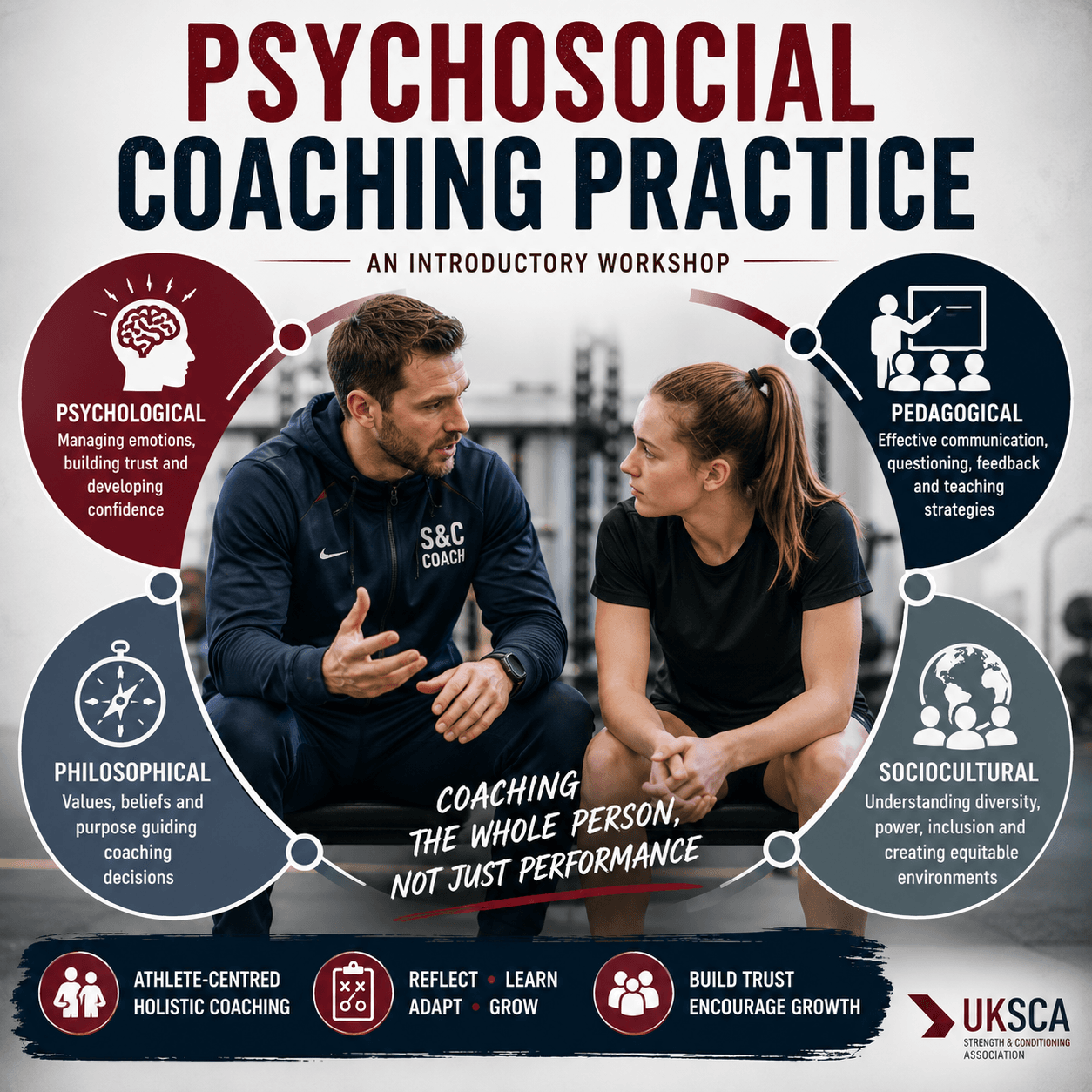
Psychosocial coaching practice: an introductory workshop
Discover why psychosocial coaching matters in strength and conditioning and how developing psychological, pedagogical, philosophical and sociocultural competencies can enhance athlete-centred coaching.

Profile img
ARTICLE
PREMIUM
Professional Strength & Conditioning - Issue 68 - Summer 2023
Various
Psychosocial Coaching; Career Periodisation; Anatomy and Mechanics and updates on Equality; Diversity and Inclusion in S&C.

Profile img
ARTICLE
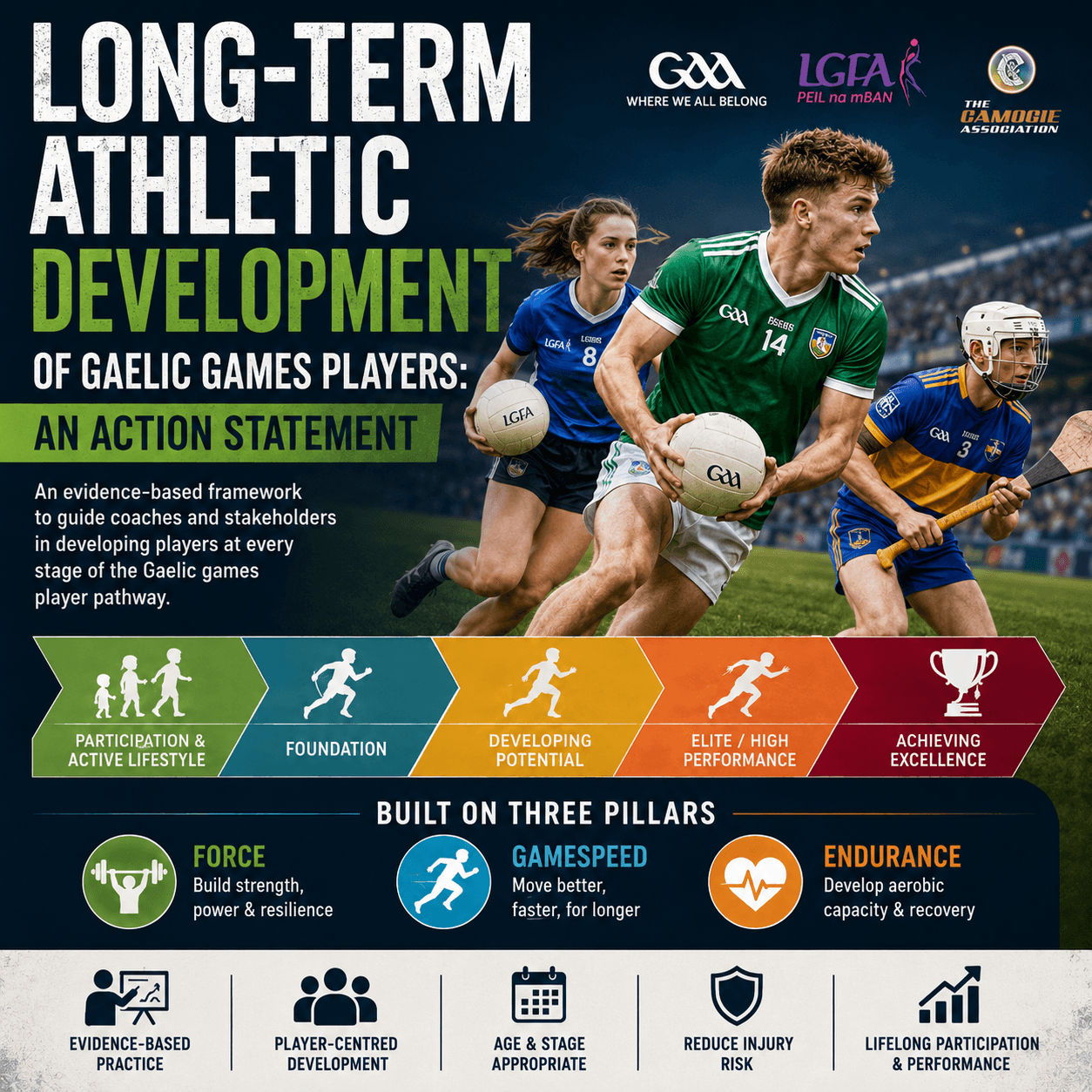
Long-term athletic development of Gaelic games players: an action statement
Explore an evidence-based action statement for the long-term athletic development of Gaelic games players, providing practical guidance for coaches, clubs, schools and player pathways.

Profile img
ARTICLE
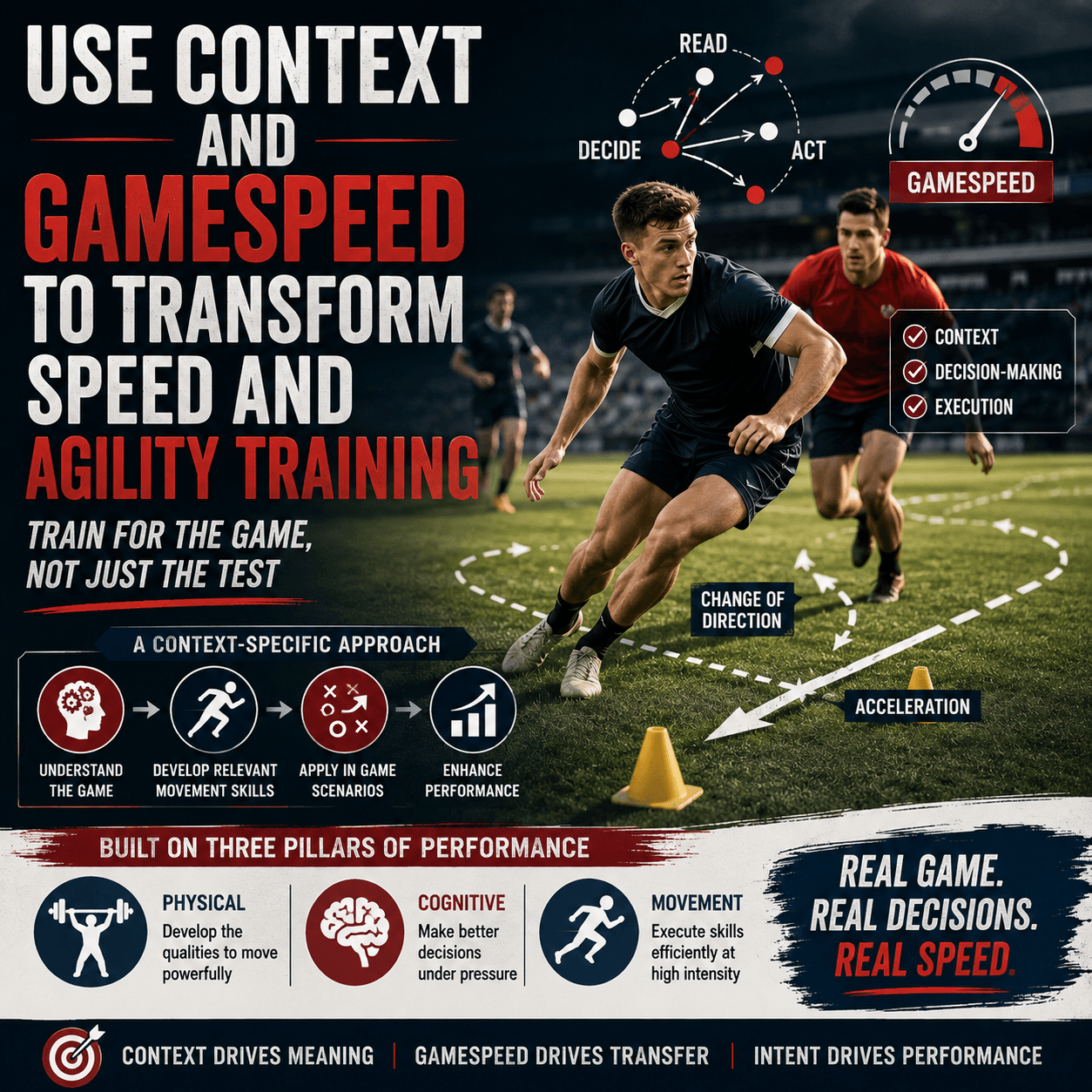
Use context and Gamespeed to transform speed and agility training
Discover how a gamespeed approach transforms speed and agility training by using context, decision-making and sport-specific movement to enhance performance.

Profile img
ARTICLE
PREMIUM
Professional Strength & Conditioning - Issue 67 - Winter 2022-23
Various
An action statement for Gaelic Games player development; The Importance of Diversity in S&C; Using Context and Gamespeed to transform Speed/Agility training.