Kevin Till, Bob Muir, Andy Abraham and Mike Ashford
This article presents a conceptual framework for professional judgement and decision-making (PJDM) in strength and conditioning coaching. Responding to concerns that S&C education may not adequately prepare practitioners for the interdisciplinary and applied nature of coaching, the authors argue for greater integration of theoretical, applied and experiential knowledge rather than focusing on isolated areas of exercise science.
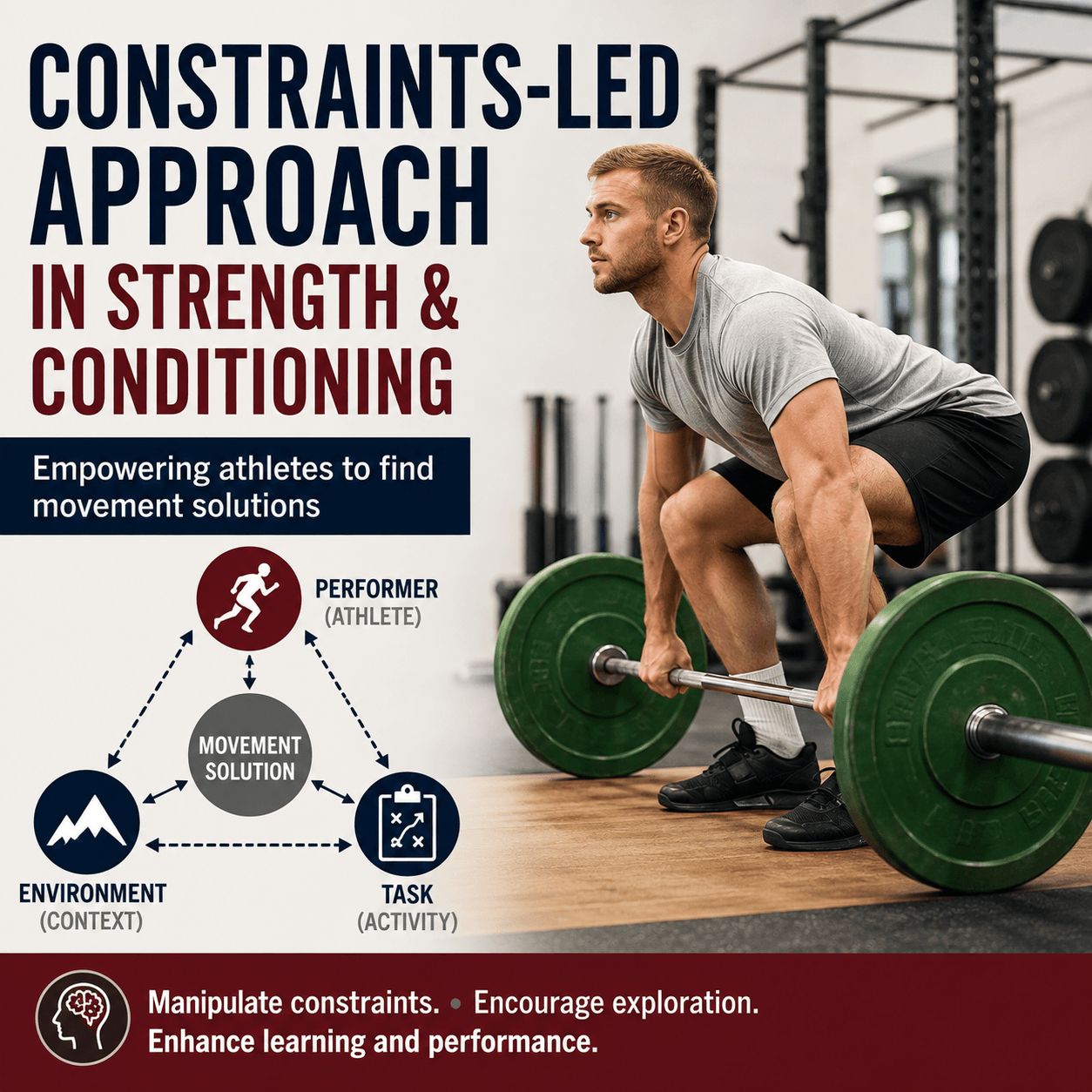
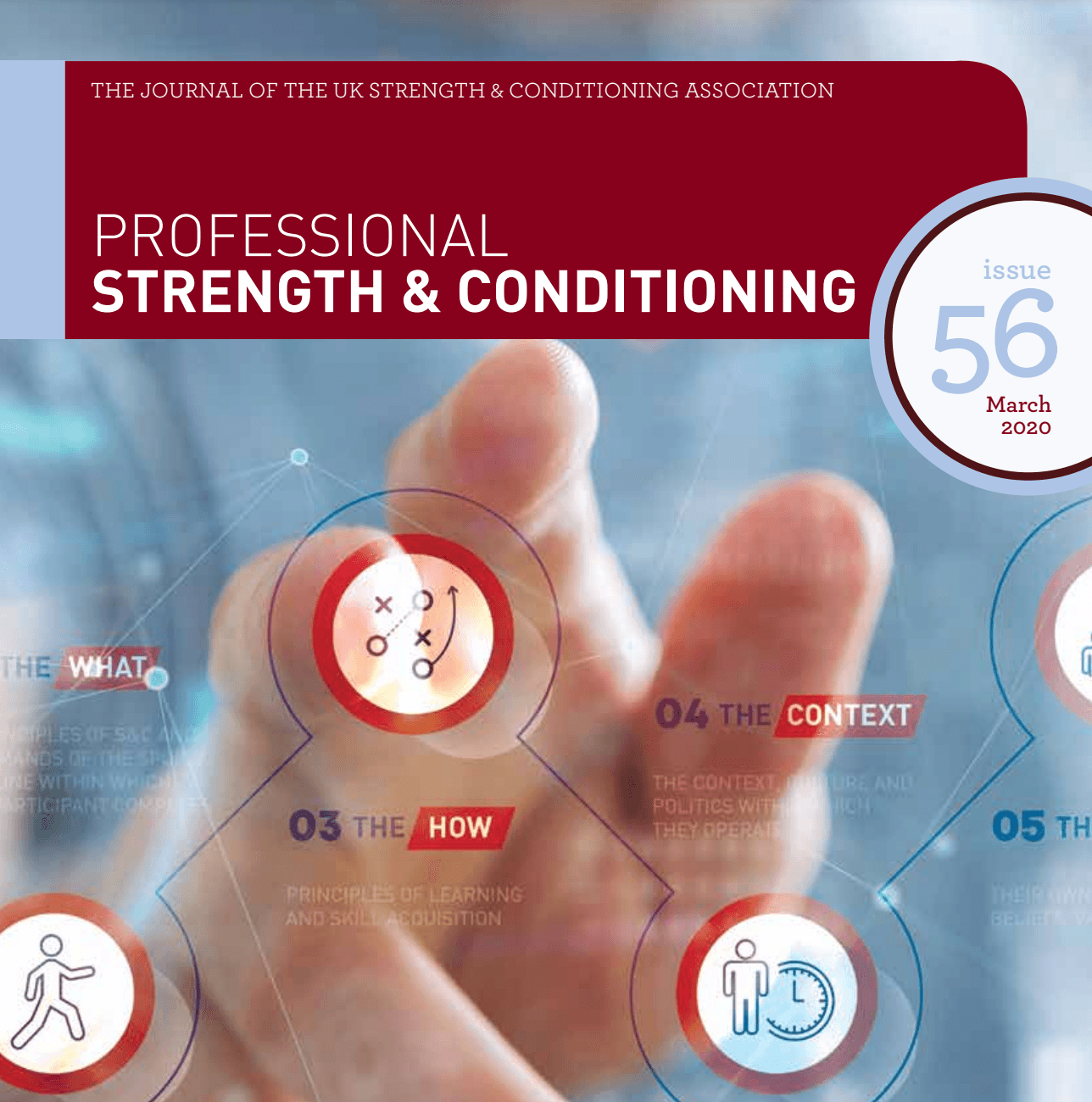
The framework identifies six interconnected knowledge domains: the ‘who’ – understanding the participant; the ‘what’ – understanding S&C principles and the demands of the sport; the ‘how’ – applying principles of learning and skill acquisition; the ‘context’ – recognising the culture, politics and environment in which coaching occurs; the ‘self’ – understanding the coach’s own knowledge, beliefs, values and behaviours; and the ‘coaching process’ – planning, delivering and reflecting on practice.
The authors position S&C coaching as an ongoing decision-making process requiring coaches to combine these domains when responding to athletes and changing situations. Professional judgement may involve slow, deliberate decisions during planning, rapid intuitive decisions during coaching delivery, and reflection both during and after practice. The framework therefore encourages coaches to move beyond simply knowing what exercises to prescribe and consider the athlete, learning environment, organisational context and their own coaching behaviours.
The article proposes that the PJDM framework can support both coach education and continuing professional development. By providing structured ‘thinking tools’, it can help practitioners evaluate their strengths and weaknesses, improve planning, delivery and reflection, and develop the broader professional competence required for effective S&C coaching.