Fuse logo
Logo image

PSCJ


An examination of the muscle amnesia theory

06/07/2020
By Dan Scott
ABSTRACT

This article critically examines the muscle amnesia theory, which proposes that insufficient muscle use can reduce neural activation, leading to diminished strength and impaired function. Often associated with the glutes and terms such as ‘gluteal amnesia’ or ‘dead butt syndrome’, the theory commonly attributes dysfunction to prolonged sitting, muscle tightness and altered movement patterns. The author reviews the available literature to assess whether these claims are supported by evidence.


The review finds limited support for the suggestion that reduced use causes persistent neural inhibition in healthy individuals. Evidence indicates that neural function can be maintained with relatively small amounts of intermittent loading, while muscles and sarcomeres adapt to habitual positions and ranges of movement. The author therefore argues that the problems attributed to muscle amnesia are unlikely to result primarily from diminished neural activation.


Instead, the article proposes a mechanical explanation involving connective tissue, biotensegrity and the interaction between mechanics and neuromuscular function. Variations in connective tissue stiffness can influence force transfer, movement and adaptation, potentially creating the apparent dysfunction associated with muscle amnesia. This integrated relationship is described as the ‘mechanoneuromuscular system’. 


Practical recommendations focus on manipulating load to address mechanical imbalances. The author suggests combining targeted mobility work with compound and isolation resistance exercises to alter tissue properties and improve the balance of tension. The article concludes that the observed dysfunction may be better understood as a consequence of variable connective tissue mechanics rather than a muscle simply being neurologically ‘switched off’.


Related Topics

Profile image
Author: Dan Scott

Dan is a Strength and Conditioning Coach at the University of St. Andrews, Scotland, where he works with the University male and female golf teams. He also works on the Golf Scholarship Programme at St. Andrews.
In this issue

Profile img
ARTICLE
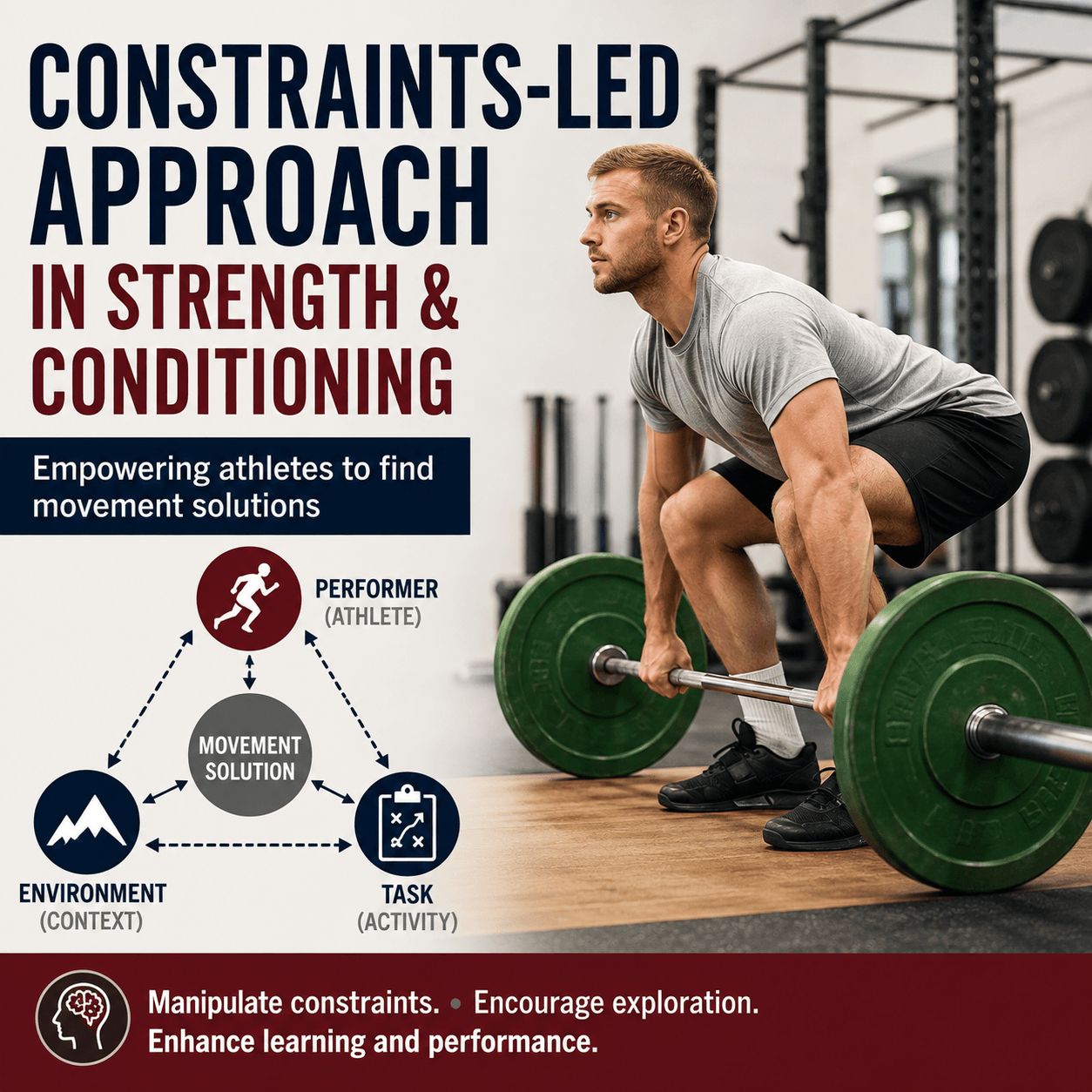
Evaluating the constraints led approach and its application within strength and conditioning
Explore the constraints-led approach in strength and conditioning and how manipulating task, environmental and performer constraints can enhance movement learning and performance.

Profile img
ARTICLE
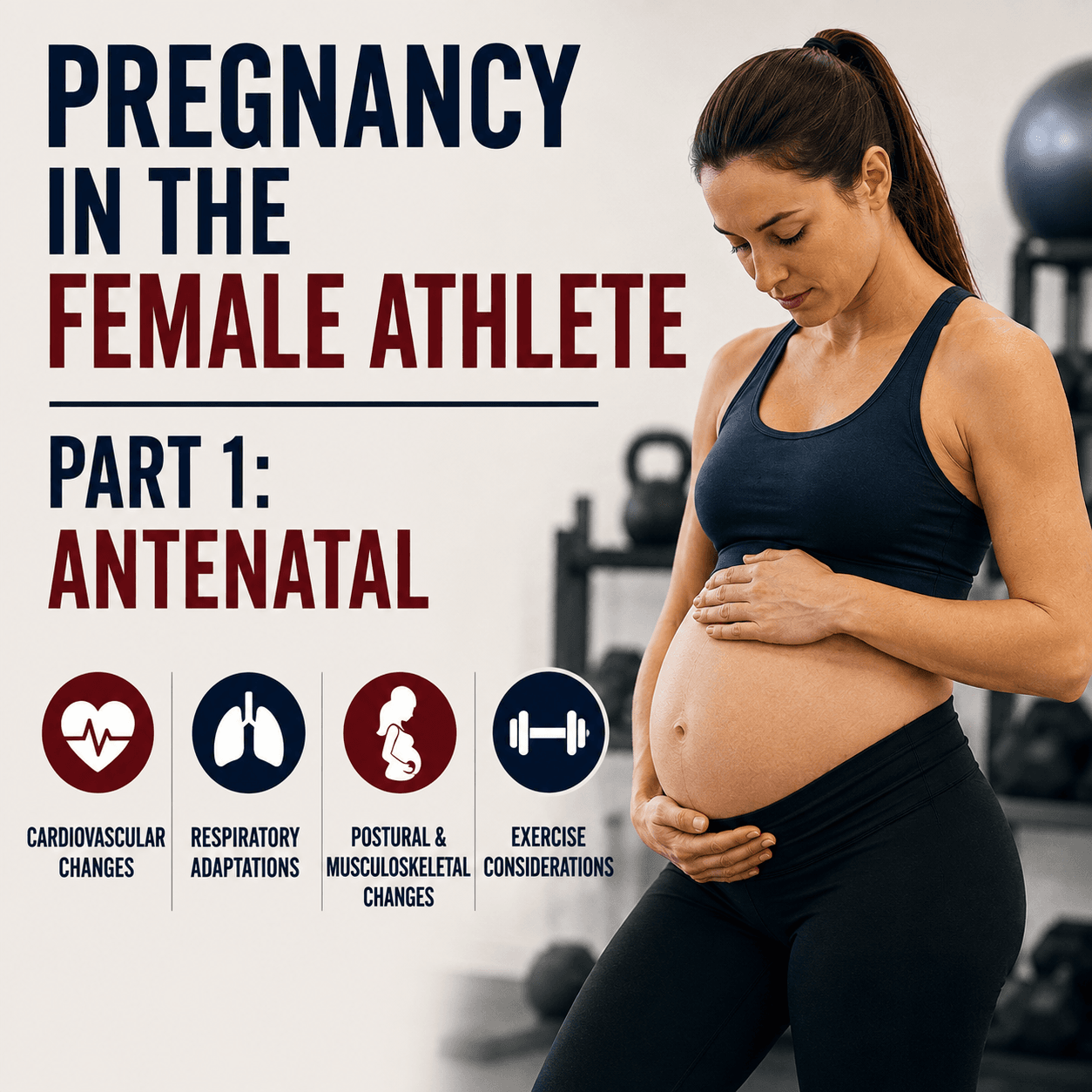
Pregnancy in the female athlete Part 1: antenatal
Explore antenatal considerations for female athletes, including physiological changes, nutrition, exercise modification, pelvic health and safe S&C practice.

Profile img
ARTICLE
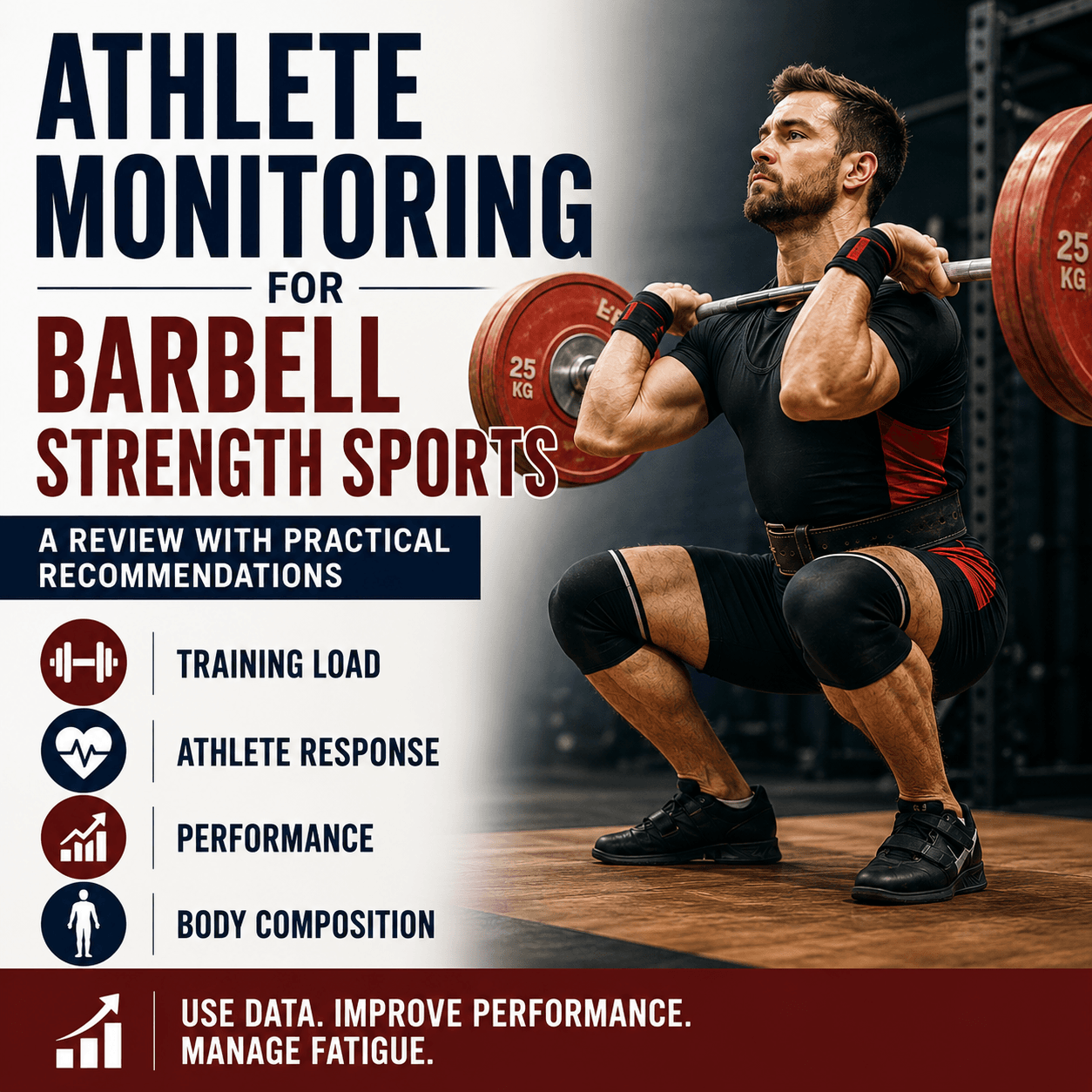
Athlete monitoring for barbell strength sports: a review with practical recommendations for implementation
Explore athlete monitoring in weightlifting and powerlifting, with practical methods for tracking training load, fatigue, performance and body composition.

Profile img
ARTICLE
PREMIUM
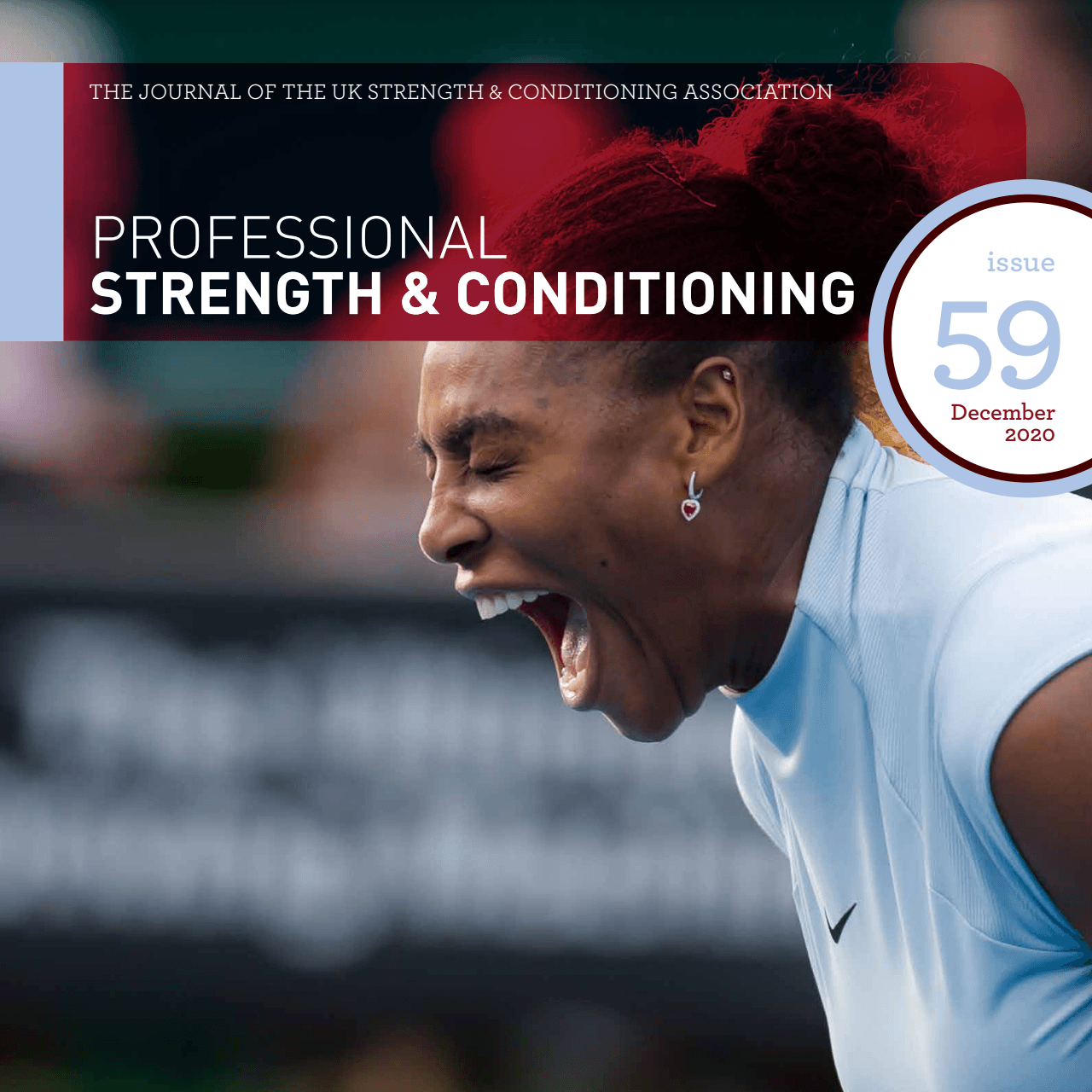
Professional Strength & Conditioning - Issue 59 - December 2020
Various
Evaluating the Constraints-led Approach; Pregnancy in the Female Athlete; and Athlete Monitoring for Barbell Strength Sports.

Profile img
ARTICLE
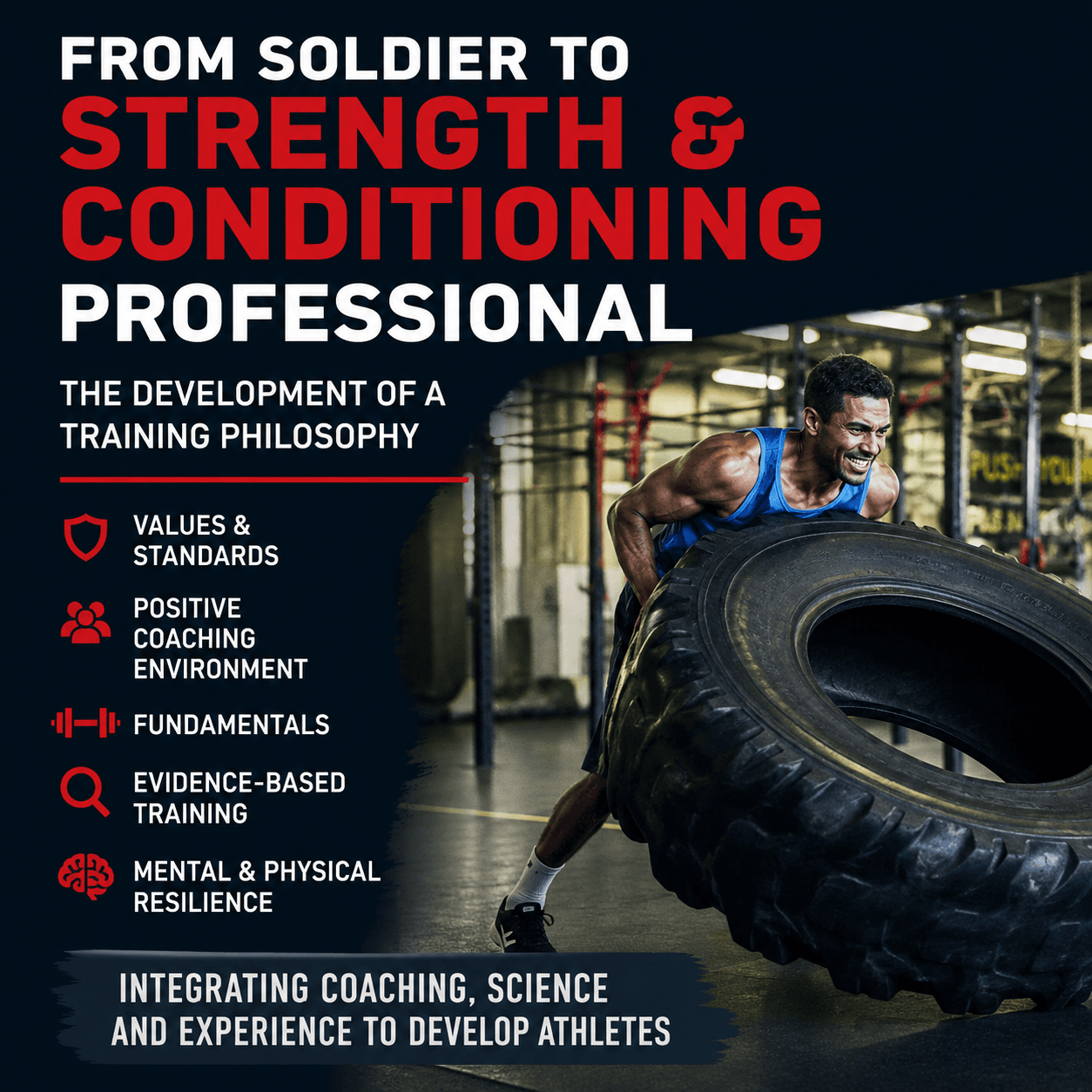
From soldier to strength and conditioning professional: The development of a training philosophy
Discover a practical S&C training philosophy that combines coaching, sport science, resilience and evidence-based practice to optimise athlete development.

Profile img
ARTICLE
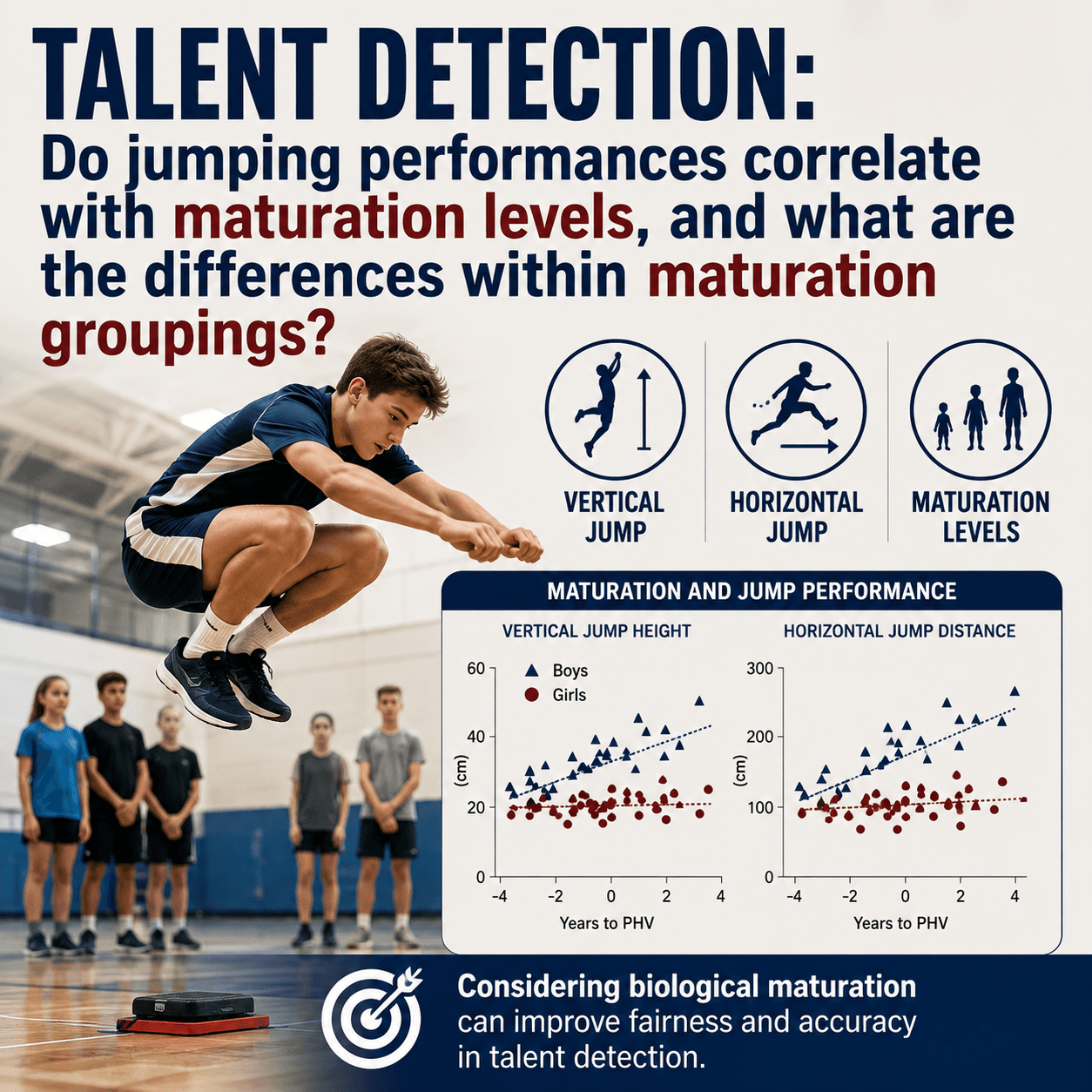
Talent detection: do jumping performances correlate with maturation levels, and what are the differences within maturation groupings?
Explore how biological maturation influences vertical and horizontal jump performance in young athletes and the implications for talent detection and identification.

Profile img
ARTICLE
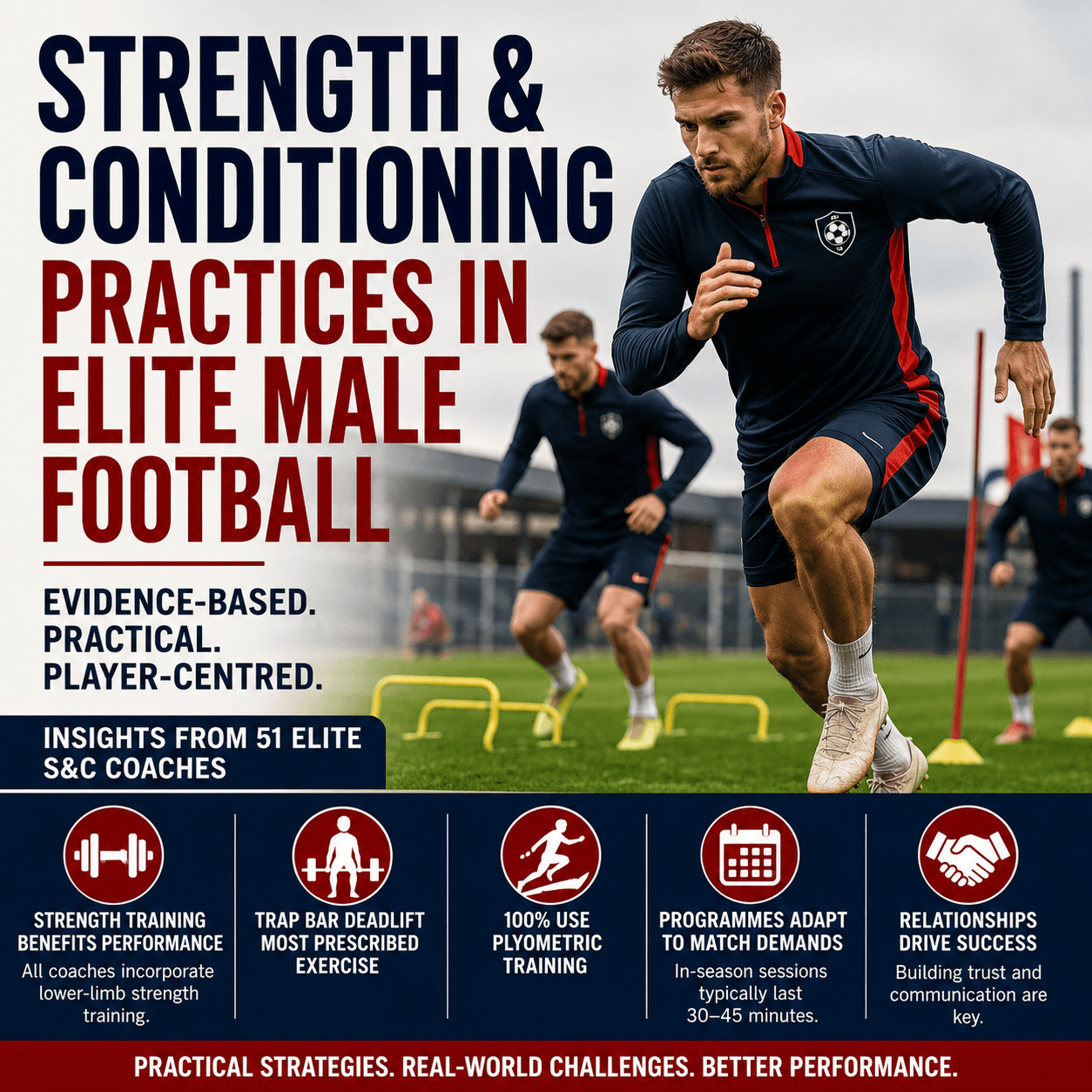
Strength and conditioning provision and practices in elite male football
Explore strength and conditioning practices in elite male football, including exercise selection, periodisation, plyometrics, programming challenges and player engagement.

Profile img
ARTICLE
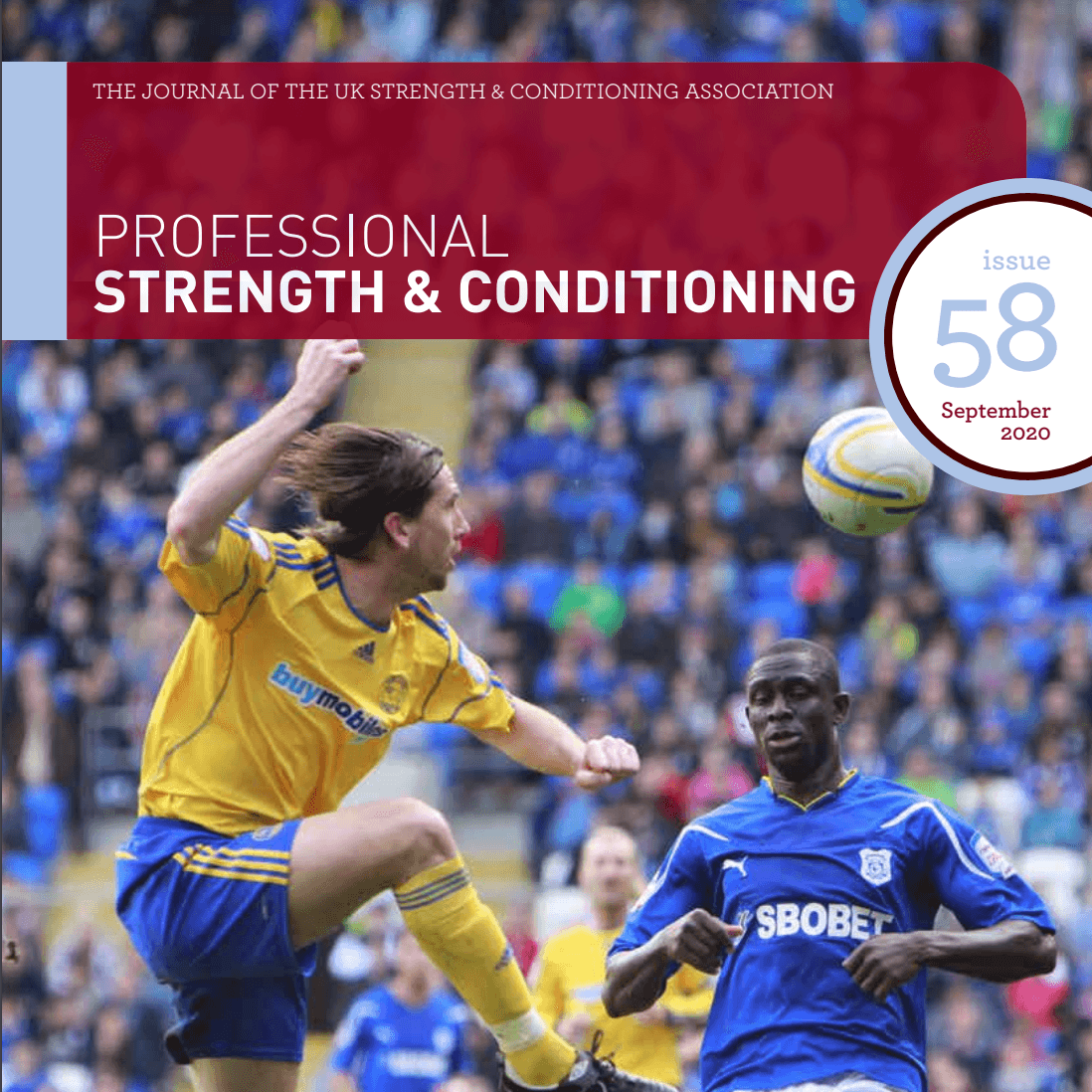
Professional Strength & Conditioning - Issue 58 - September 2020
Various
Talent detection: age, sex and jump performance; Training Philosophy Development; S&C Practices in Elite Male Football.

Profile img
ARTICLE
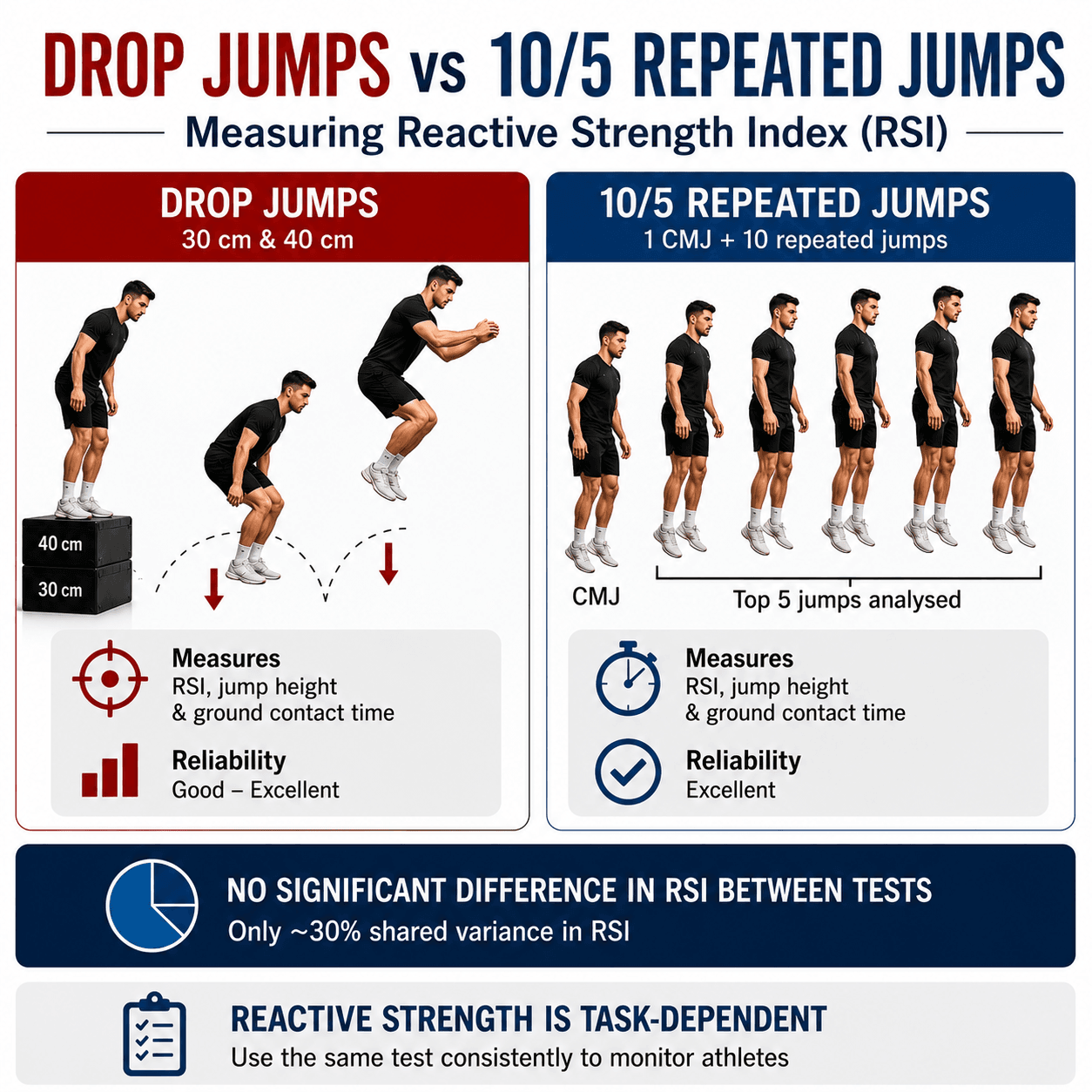
Comparing drop jumps with 10/5 repeated jumps to measure reactive strength index
Compare 10/5 repeated jumps and drop jumps for measuring reactive strength index, examining reliability, jump height, ground contact time and practical use.

Profile img
ARTICLE
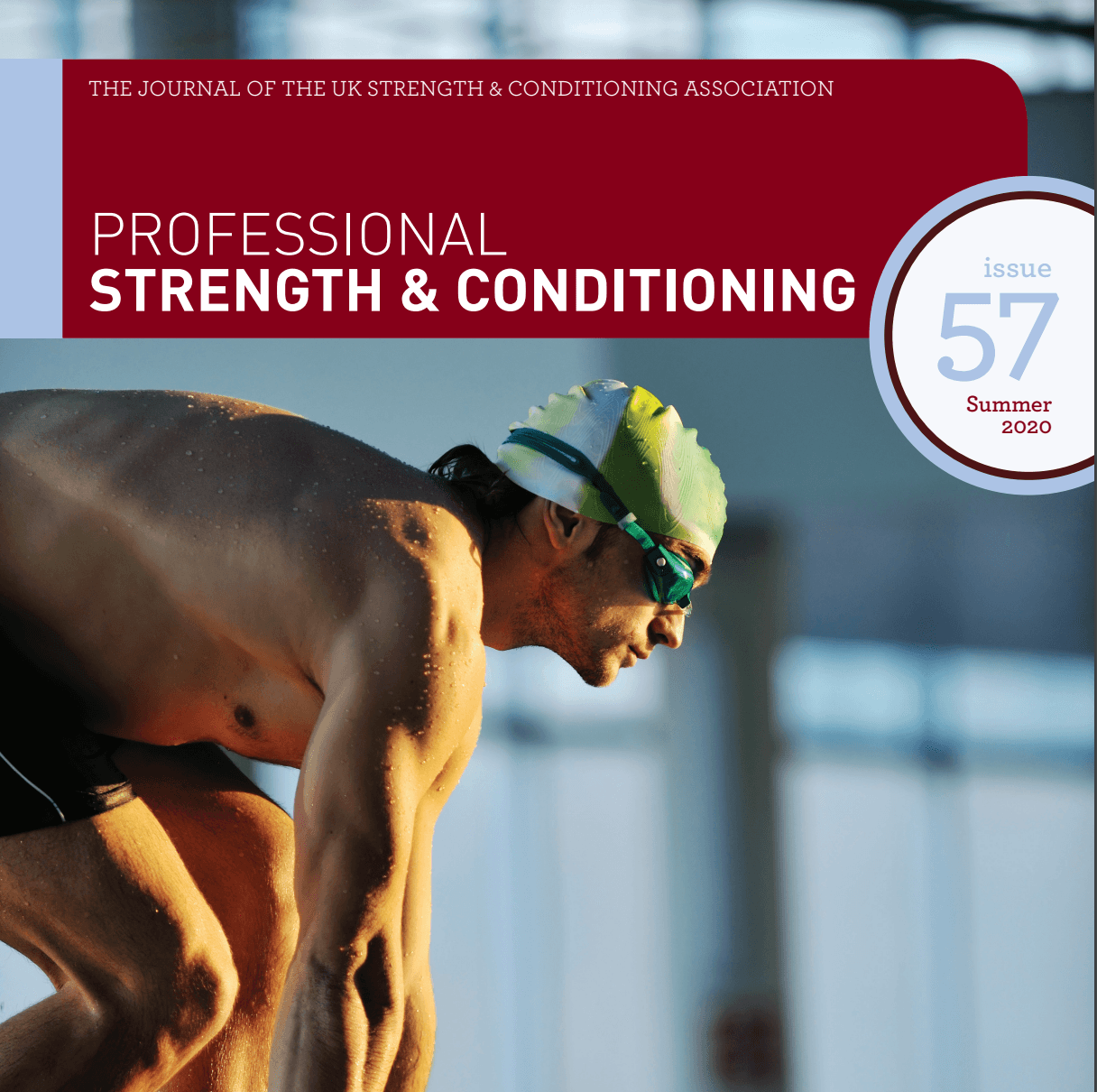
Professional Strength & Conditioning - Issue 57 - June 2020
Various
A Three Year Internship at Sheffield Hallam; Examining the Muscle Amnesia Theory; Measuring the Reactive Strength Index.

Profile img
ARTICLE
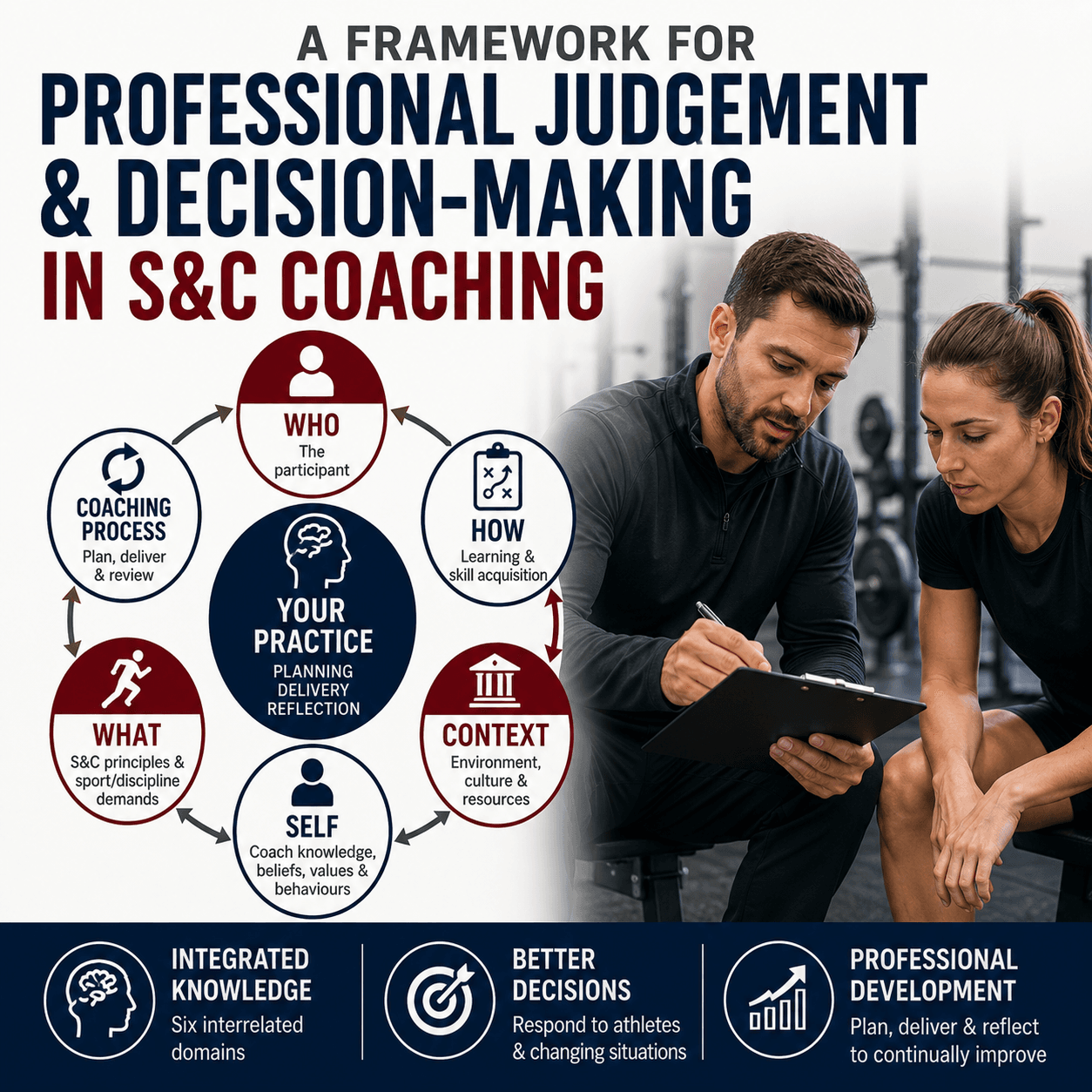
A framework for professional judgement and decision-making in S&C coaching
Explore a professional judgement and decision-making framework for S&C coaching, integrating athlete needs, coaching knowledge, context and reflective practice.

Profile img
ARTICLE
Professional Strength & Conditioning - Issue 56 - March 2020
Various
A Framework for Professional decision-making; University Coaches in the UK and Ireland; Contextology, a new approach to Effective Coaching?