Dylan G Suarez, Nicholas G Harden, Alec Perkins, Joseph S D’Amato, Ibrahim F Almugathawi and Michael H Stone
This review examines athlete monitoring within barbell strength sports, particularly weightlifting and powerlifting. Despite strength athletes being widely studied in sport science, modern monitoring practices have been relatively slow to enter everyday coaching. The authors identify barriers including cost, limited resources and a lack of experience or knowledge in collecting and interpreting monitoring data.
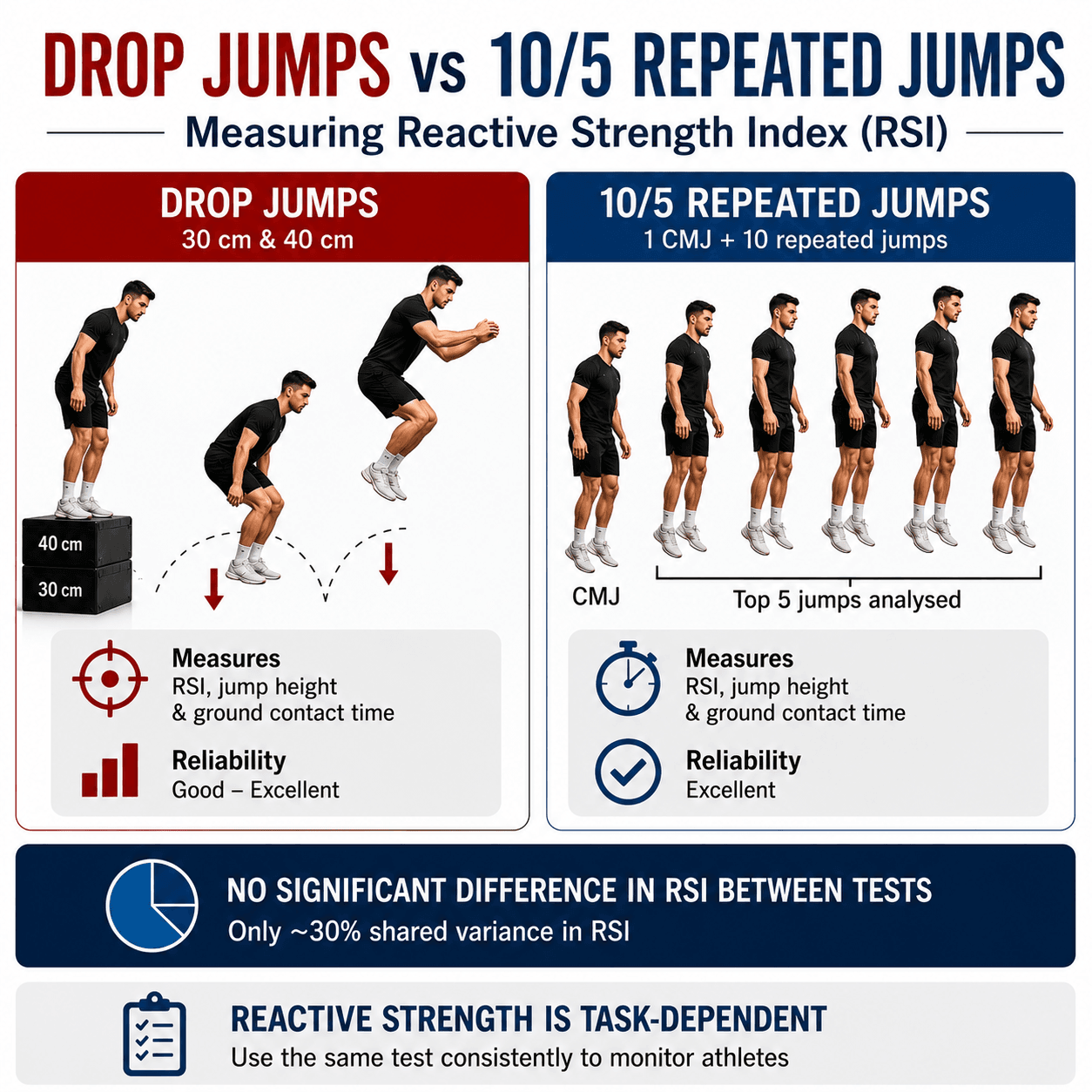
The article reviews practical methods for monitoring both training demands and athlete responses. External training load can be quantified using measures such as repetitions, volume load and volume-load displacement, while internal load can be assessed through wellness questionnaires, ratings of perceived exertion and other physiological or psychological measures. Performance monitoring methods include 1RM and isometric strength testing, vertical jumps, video and motion analysis, velocity-based training devices and body composition assessment.
The authors emphasise that effective monitoring does not require collecting large amounts of data. Coaches should select practical measures that provide useful feedback and can be consistently managed, with athlete engagement and regular communication remaining central to the process. Simple visualisation of monitoring data can help identify trends and support informed programming decisions.
The review concludes that there is no single ideal monitoring metric for strength athletes. Instead, coaches should interpret external and internal load, kinetic and kinematic measures and body composition collectively, alongside their own observations and communication with the athlete, to better manage fatigue, evaluate programme effectiveness and inform training decisions.