Fuse logo
Logo image

PSCJ


Examining the strength and conditioning practices of athletes during the COVID-19 isolation period

01/06/2021

Jonathan L Galbraith and Richard C Blagrove

ABSTRACT

This study examined how the COVID-19 isolation period affected the strength and conditioning practices of competitive athletes. An online survey compared S&C behaviours before and during the March-June 2020 isolation period, with 66 eligible respondents comprising regional- and international-level athletes. Most athletes continued training at home, but approximately 90% modified their usual S&C practices.


During isolation, athletes’ training goals shifted away from maximal strength and competition towards general health, weight management and stress management. Training intensity decreased significantly, while participation in multi-joint resistance training and plyometrics was also reduced. In contrast, engagement in bodyweight training, core stability work and stretching showed no significant change.


The findings suggest that reduced training intensity and lower engagement with resistance and plyometric training may have resulted in detraining of important physical qualities, potentially increasing injury risk when athletes returned to intensive training and competition. The authors recommend that S&C coaches assess athletes individually following prolonged periods of restricted training, using sport-relevant fitness assessments to identify detraining and inform a safe and progressive return to performance.
Related Topics


In this issue

Profile img
ARTICLE
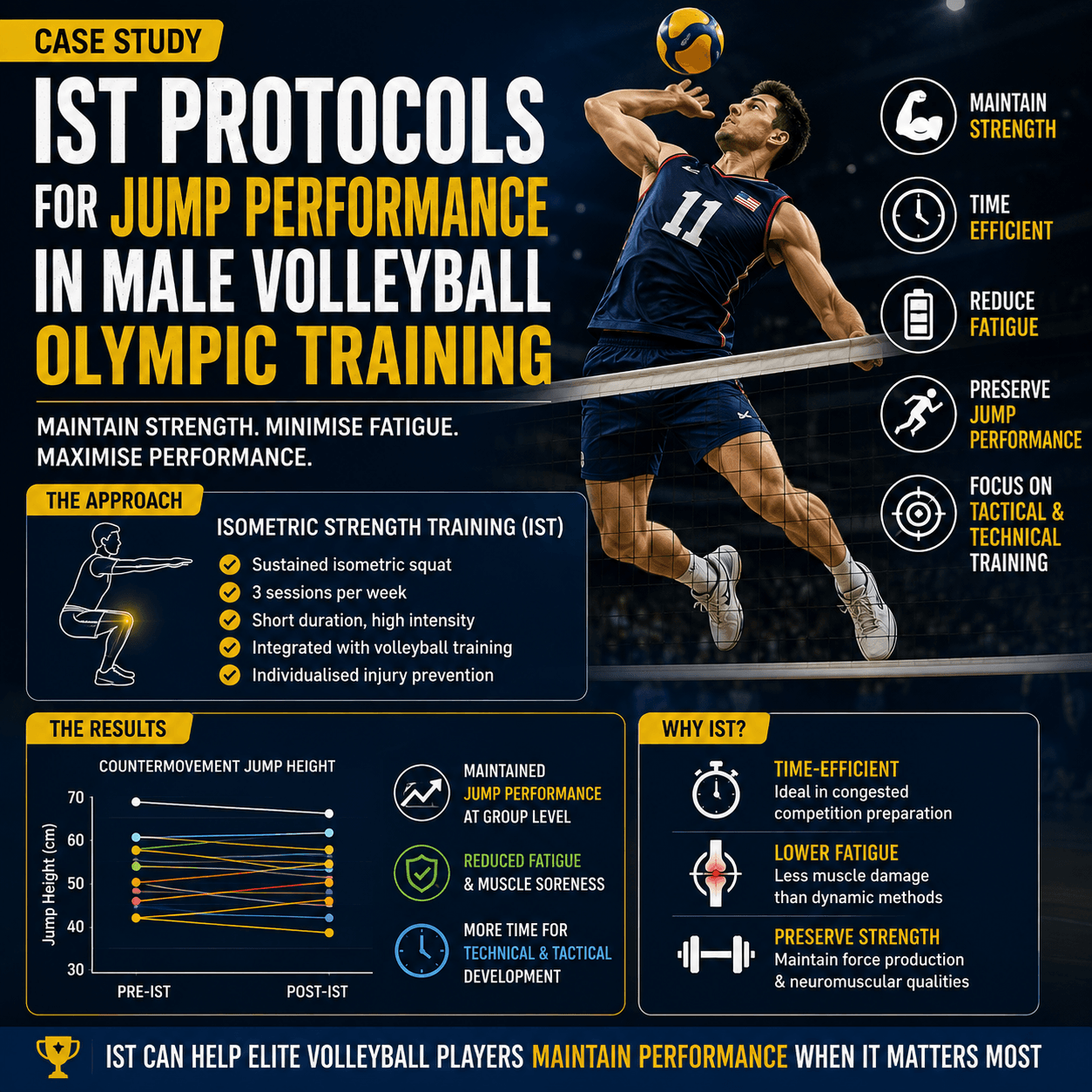
IST protocols for jump performance in male volleyball Olympic training
Explore how isometric strength training (IST) can help maintain vertical jump performance in elite volleyball players during Olympic preparation while reducing fatigue and preserving time for technical and tactical training.

Profile img
ARTICLE
Using qualitative technique analysis to evaluate and develop agility actions
Learn how qualitative technique analysis can improve agility performance by using biomechanical principles to evaluate movement, identify technical faults and design targeted coaching interventions for change of direction actions.

Profile img
ARTICLE
PREMIUM
Professional Strength & Conditioning - issue 63 - December 2021
Various
Educating tomorrow's coach; New S&C Professional Pathway; Protocols for jump performance in Volleyball Training; Using Qualitative Analysis for Agility Action Technique.

Profile img
ARTICLE
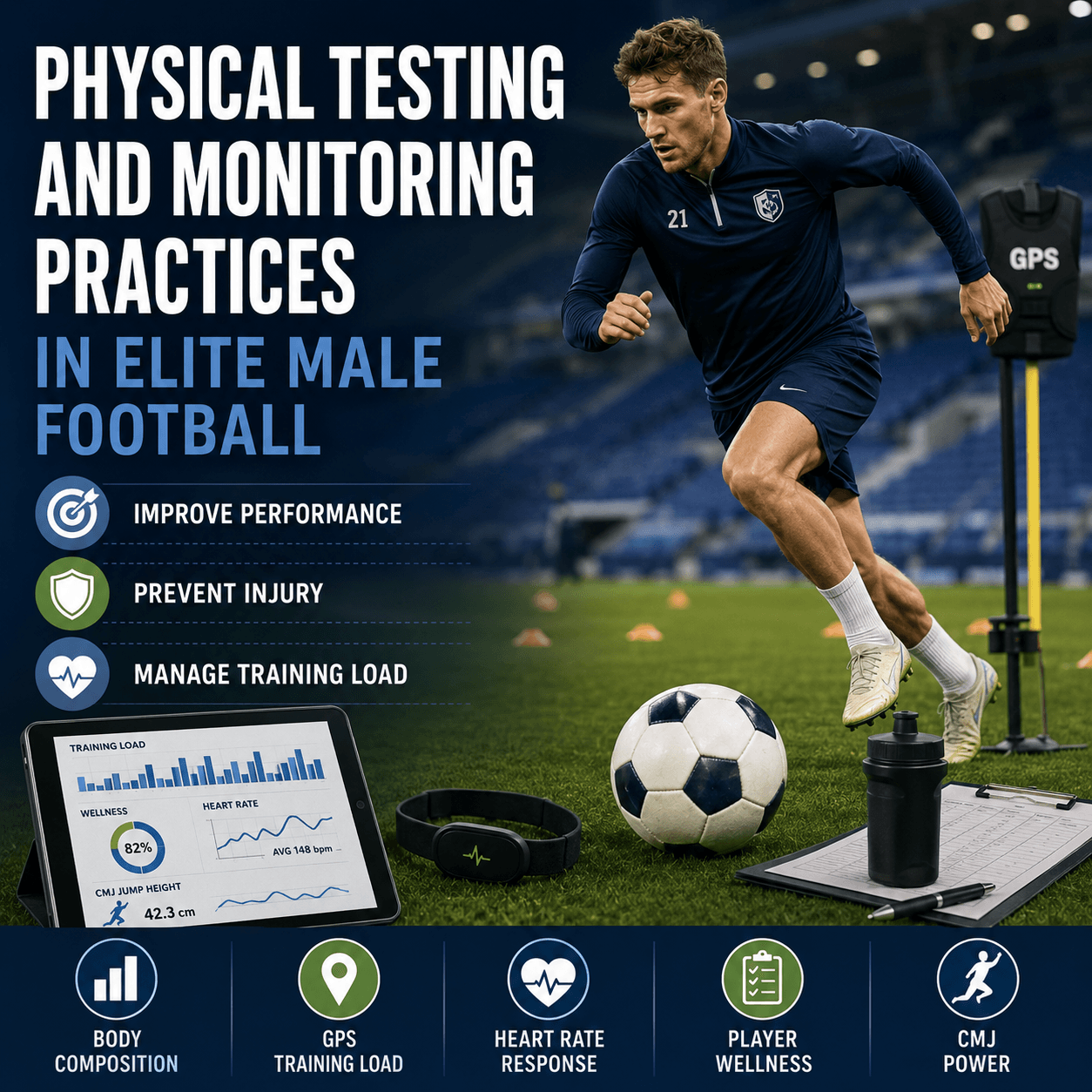
Physical testing and monitoring practices in elite male football
Explore physical testing and monitoring practices in elite male football, including GPS, body composition, CMJ, heart rate and player wellness.

Profile img
ARTICLE
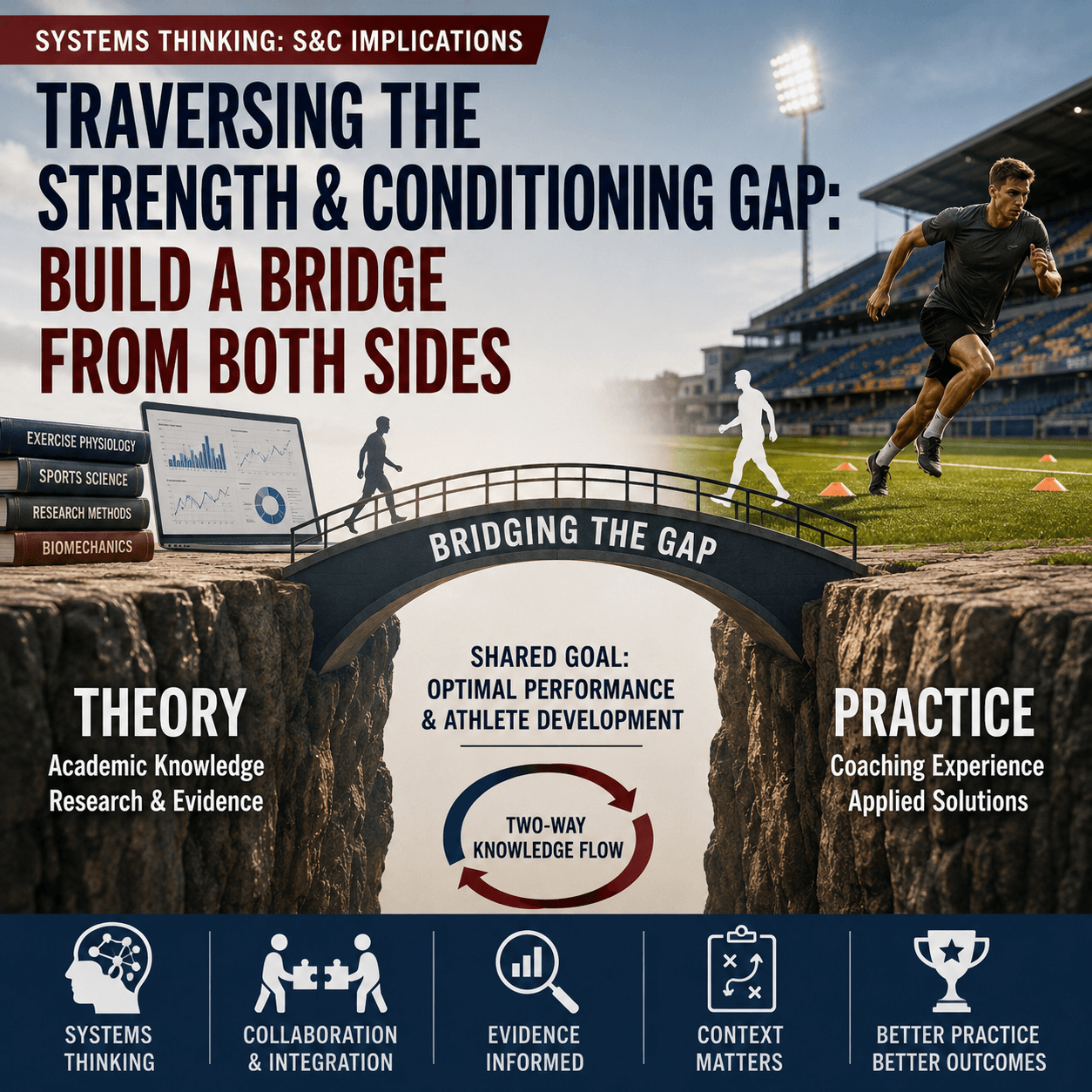
Traversing the strength and conditioning gap: build a bridge from both sides
Ian Jeffreys explores the theory-practice gap in strength and conditioning and how systems thinking can help academics and coaches build a bridge from both sides.

Profile img
ARTICLE
PREMIUM
Professional Strength & Conditioning - Issue 62 - September 2021
Various
Strength Training and Jump Performance in Academy Soccer Players; Traversing the S&C gap; Physical Testing and Monitoring in Elite Male Football.

Profile img
ARTICLE
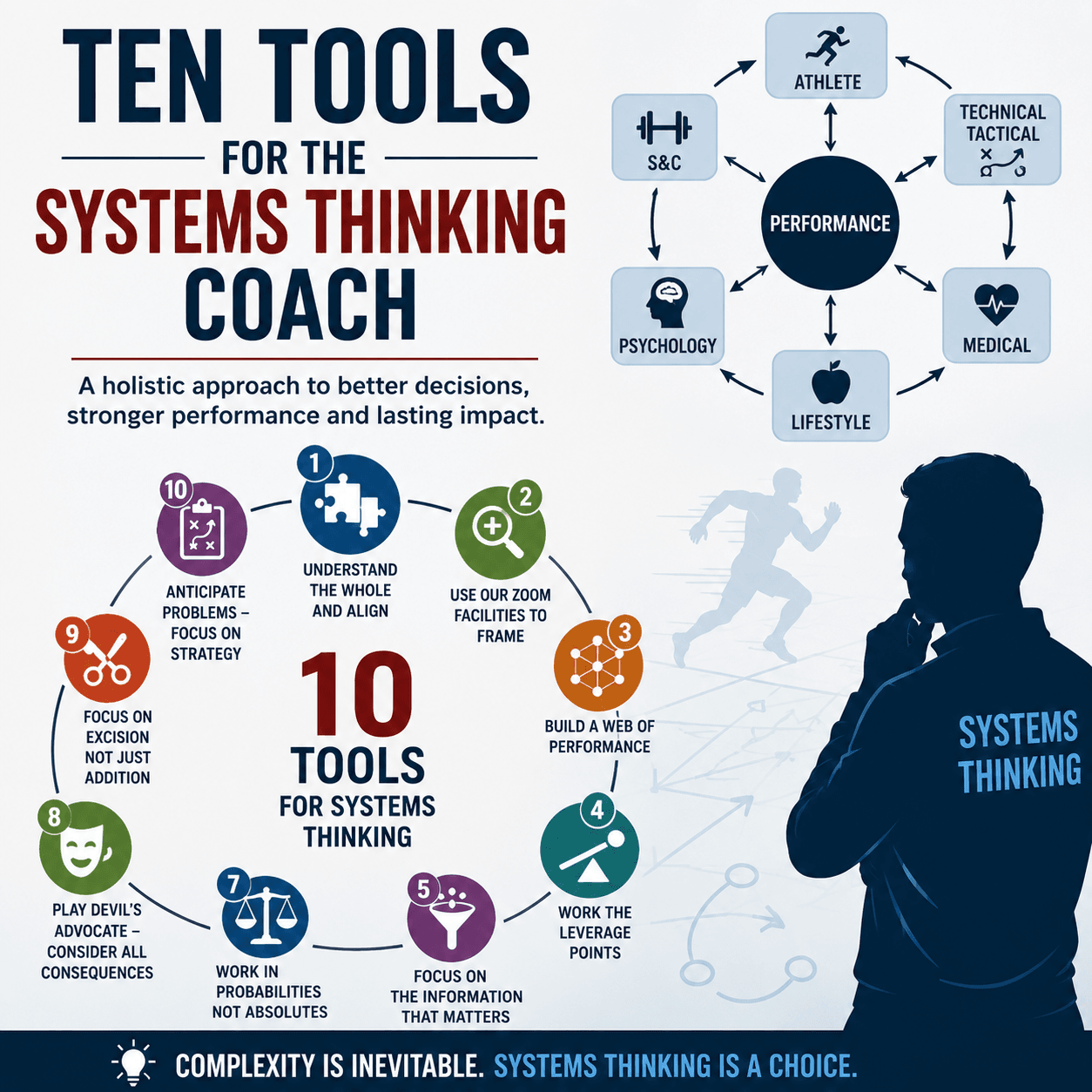
Ten tools for the systems thinking coach
Ian Jeffreys presents ten practical tools to help strength and conditioning coaches apply systems thinking and make more effective, context-specific decisions.

Profile img
ARTICLE
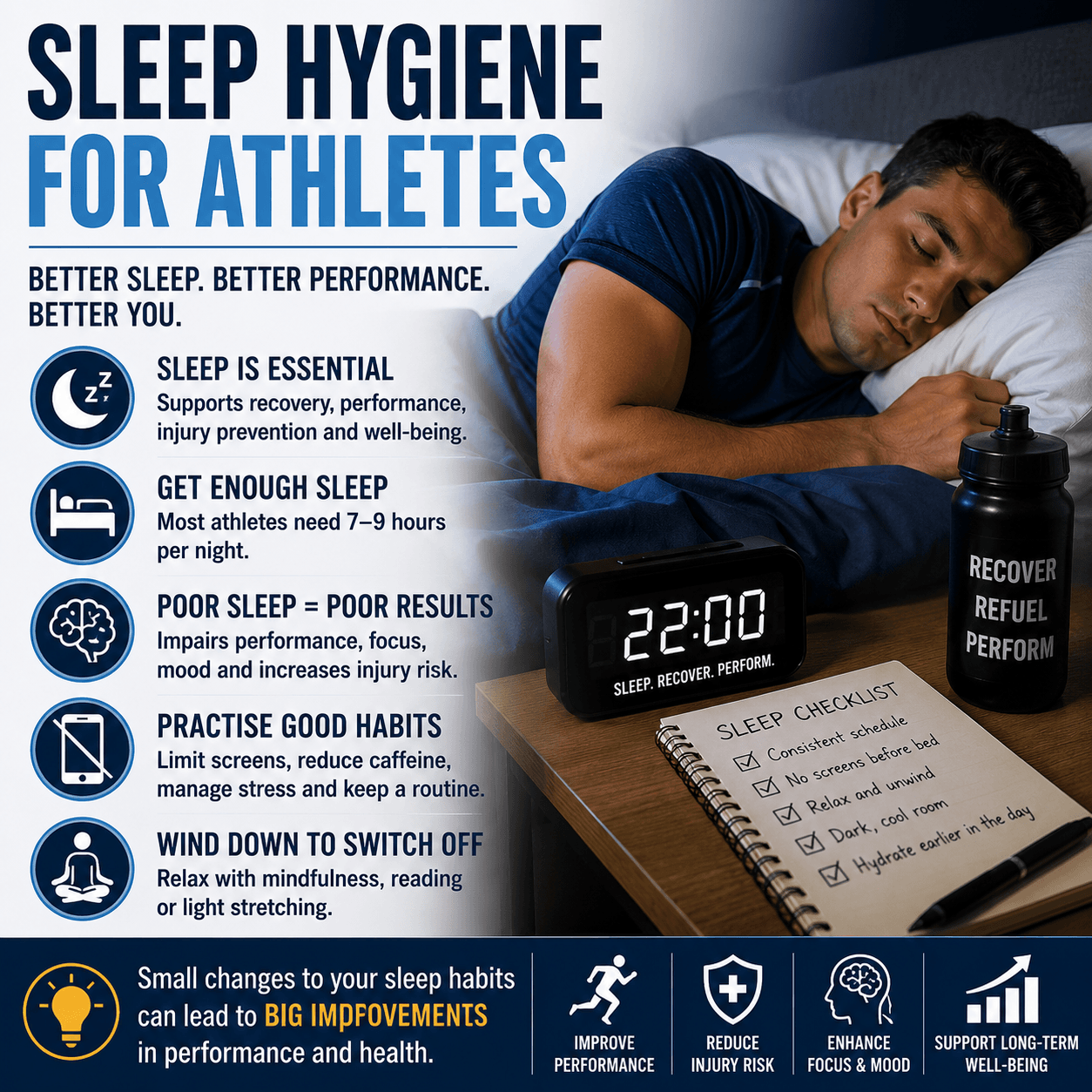
Sleep hygiene for athletes
Explore the importance of sleep for athletes and practical sleep hygiene strategies to support recovery, performance, well-being and injury prevention.

Profile img
ARTICLE
PREMIUM
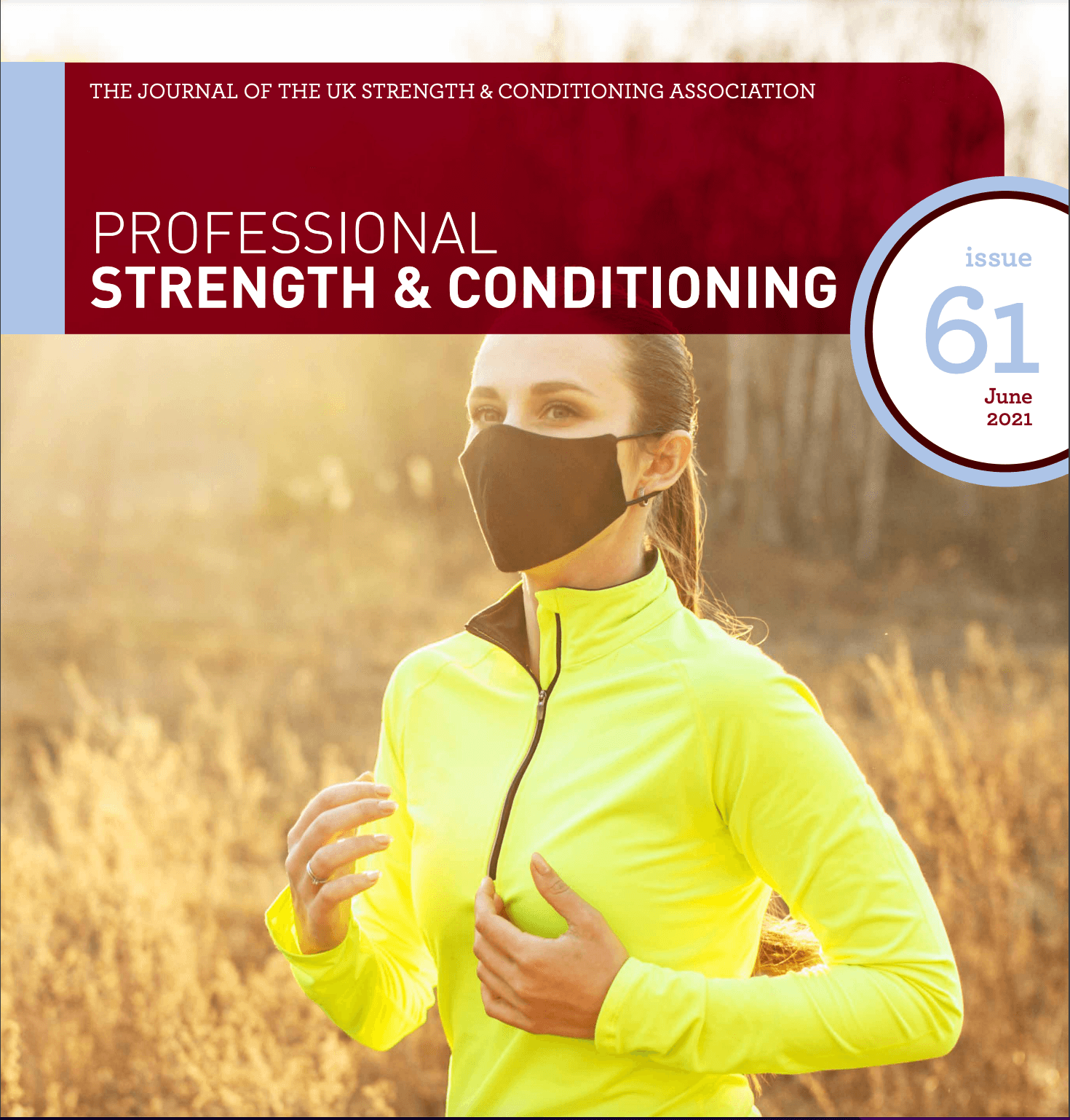
Professional Strength & Conditioning - Issue 61 - June 2021
Various
S&C practices during COVID-19 isolation; Ten Tools for the Systems Thinking Coach; Sleep Hygiene for athletes.

Profile img
ARTICLE
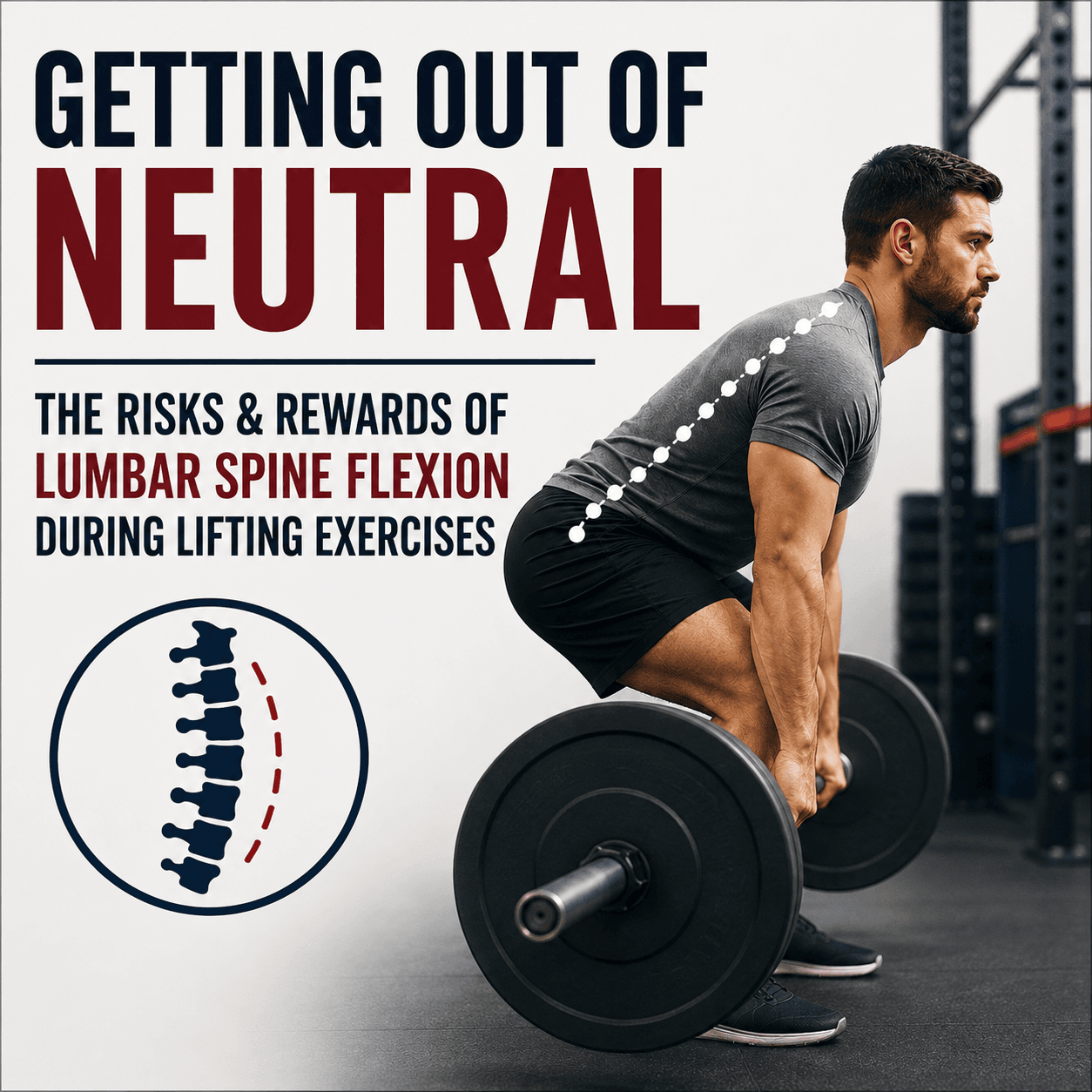
Getting out of neutral: the risks and rewards of lumbar spine flexion during lifting exercises
Explore the risks and benefits of lumbar spine flexion during lifting, challenging the traditional emphasis on maintaining a neutral spine.

Profile img
ARTICLE
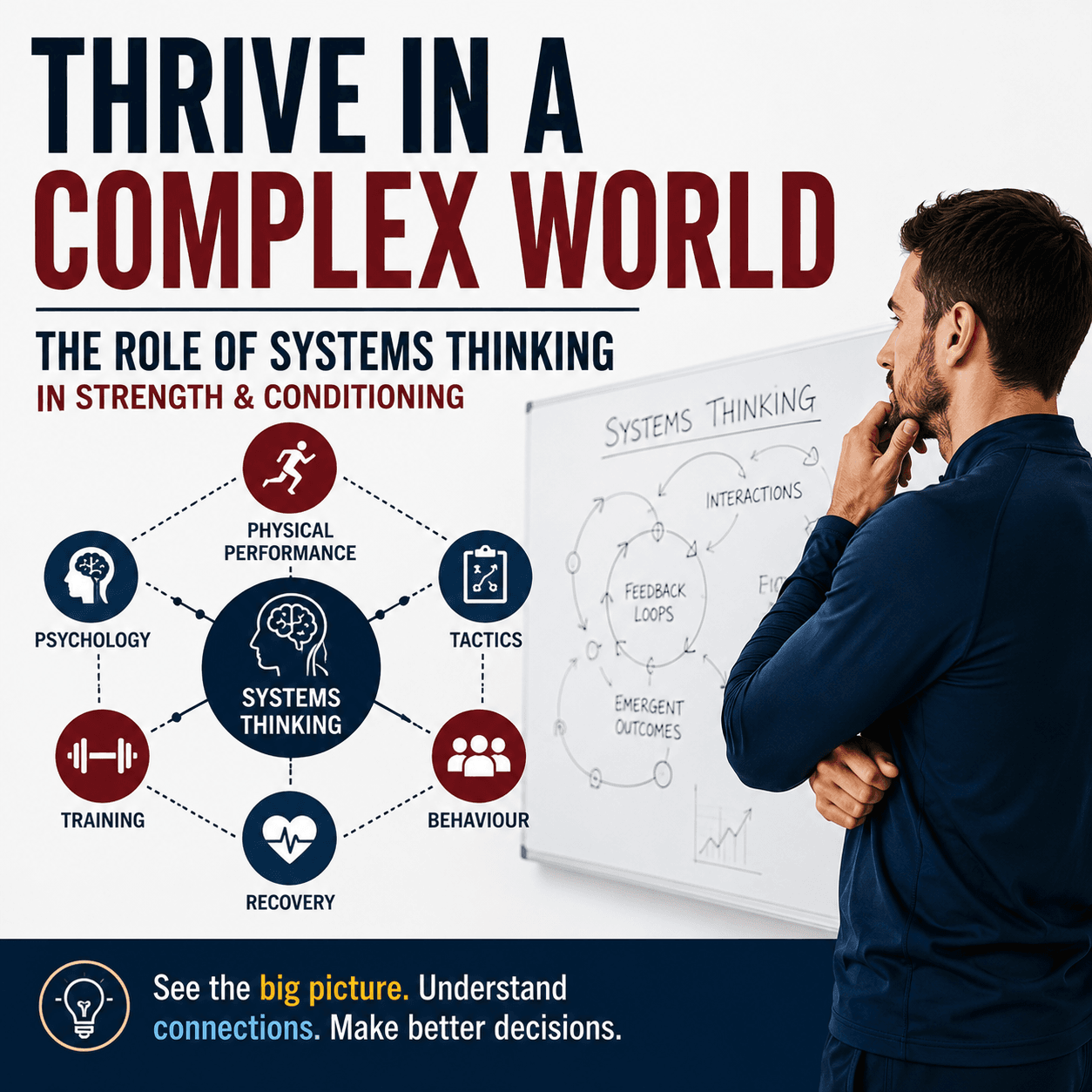
How to thrive in a complex world: the role of systems thinking
Ian Jeffreys explores how systems thinking can help strength and conditioning coaches understand complexity, improve decision-making and optimise athlete performance.

Profile img
ARTICLE
PREMIUM
Professional Strength & Conditioning - Issue 60 - March 2021
Various
Qualifications and Skill Sets Required for S&C Employment; Risks/Rewards of Lumbar Flexion During Lifting; The Role of systems thinking.