Fuse logo
Logo image

PSCJ


Physical testing and monitoring practices in elite male football

25/09/2021

Mike Beere and Ian Jeffreys

ABSTRACT

This study examines physical testing and monitoring practices used by strength and conditioning, sports science and medical practitioners working in senior elite male football. The research aimed to identify why practitioners use testing and monitoring, which variables are assessed during pre-season and in-season, how frequently assessments are conducted, their impact on decision-making and the measures used to determine the success of strength and conditioning programmes.


A questionnaire was completed by 51 practitioners working in senior male football, with respondents averaging almost 10 years of professional football experience. All reported using testing and monitoring, primarily to improve performance, prevent injury and manage training load. Commonly monitored measures included body composition, GPS-derived training load, heart rate, player wellness and countermovement jump performance. However, there was no universally adopted monitoring approach and physical qualities such as speed, change of direction and muscular strength were often not formally assessed during the season.


The findings highlight the importance of combining objective monitoring data with practitioner judgement and athlete feedback. Athlete feedback and injury rate were considered key indicators of successful S&C programming, while the study demonstrates considerable variation in the selection and frequency of testing practices across professional football. The authors provide applied information that practitioners can use to review and develop their own testing and monitoring strategies.
Related Topics


In this issue

Profile img
ARTICLE
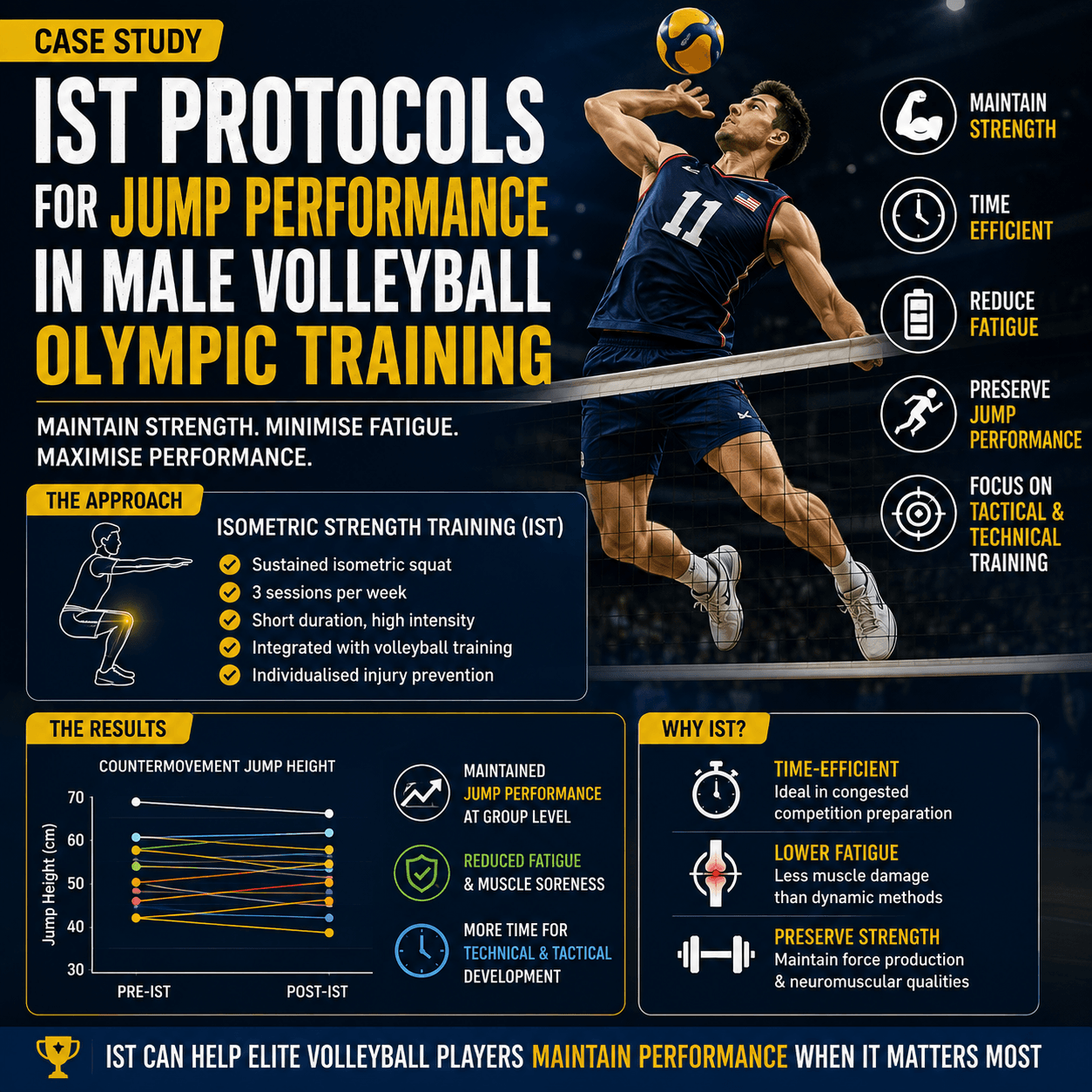
IST protocols for jump performance in male volleyball Olympic training
Explore how isometric strength training (IST) can help maintain vertical jump performance in elite volleyball players during Olympic preparation while reducing fatigue and preserving time for technical and tactical training.

Profile img
ARTICLE
Using qualitative technique analysis to evaluate and develop agility actions
Learn how qualitative technique analysis can improve agility performance by using biomechanical principles to evaluate movement, identify technical faults and design targeted coaching interventions for change of direction actions.

Profile img
ARTICLE
PREMIUM
Professional Strength & Conditioning - issue 63 - December 2021
Various
Educating tomorrow's coach; New S&C Professional Pathway; Protocols for jump performance in Volleyball Training; Using Qualitative Analysis for Agility Action Technique.

Profile img
ARTICLE
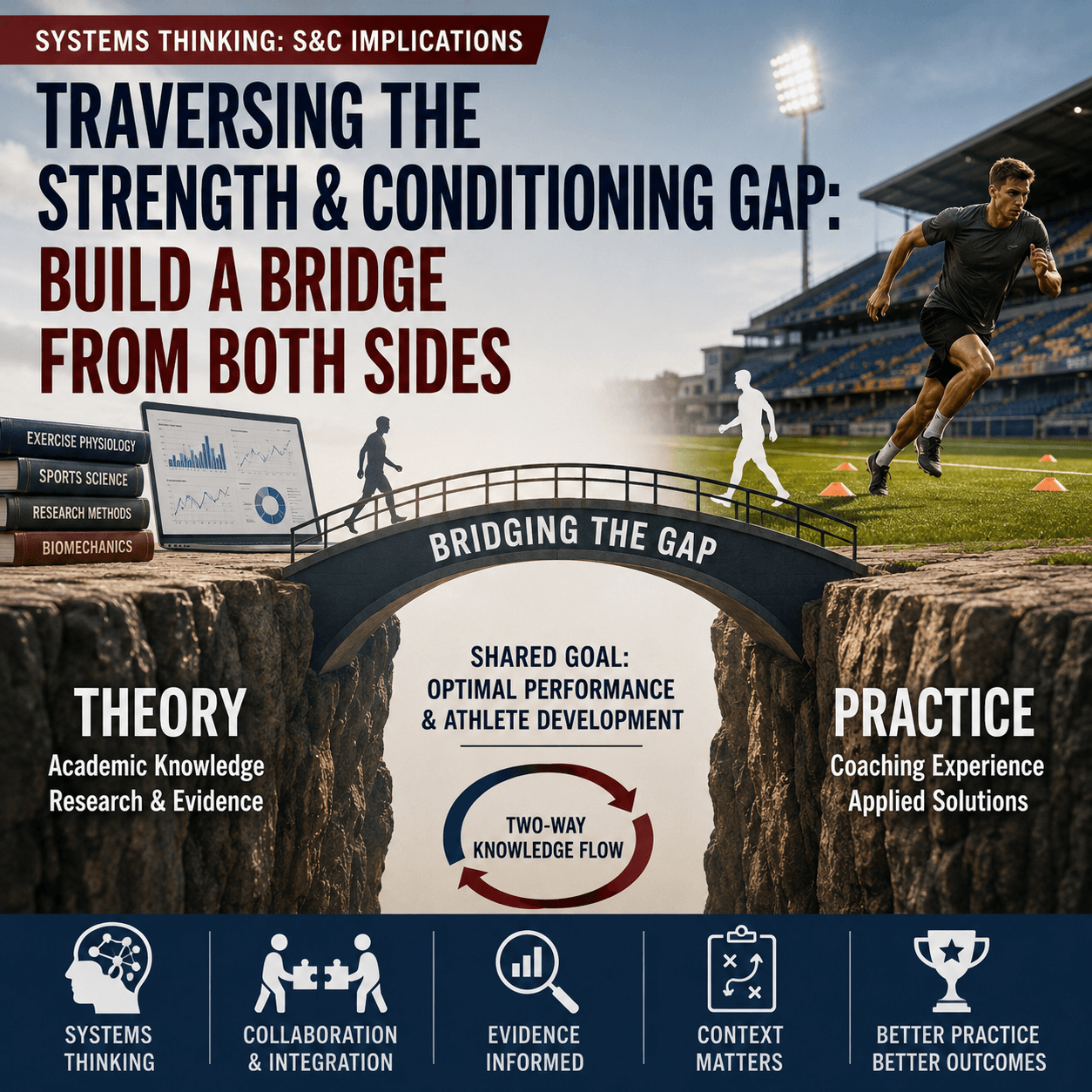
Traversing the strength and conditioning gap: build a bridge from both sides
Ian Jeffreys explores the theory-practice gap in strength and conditioning and how systems thinking can help academics and coaches build a bridge from both sides.

Profile img
ARTICLE
PREMIUM
Professional Strength & Conditioning - Issue 62 - September 2021
Various
Strength Training and Jump Performance in Academy Soccer Players; Traversing the S&C gap; Physical Testing and Monitoring in Elite Male Football.

Profile img
ARTICLE
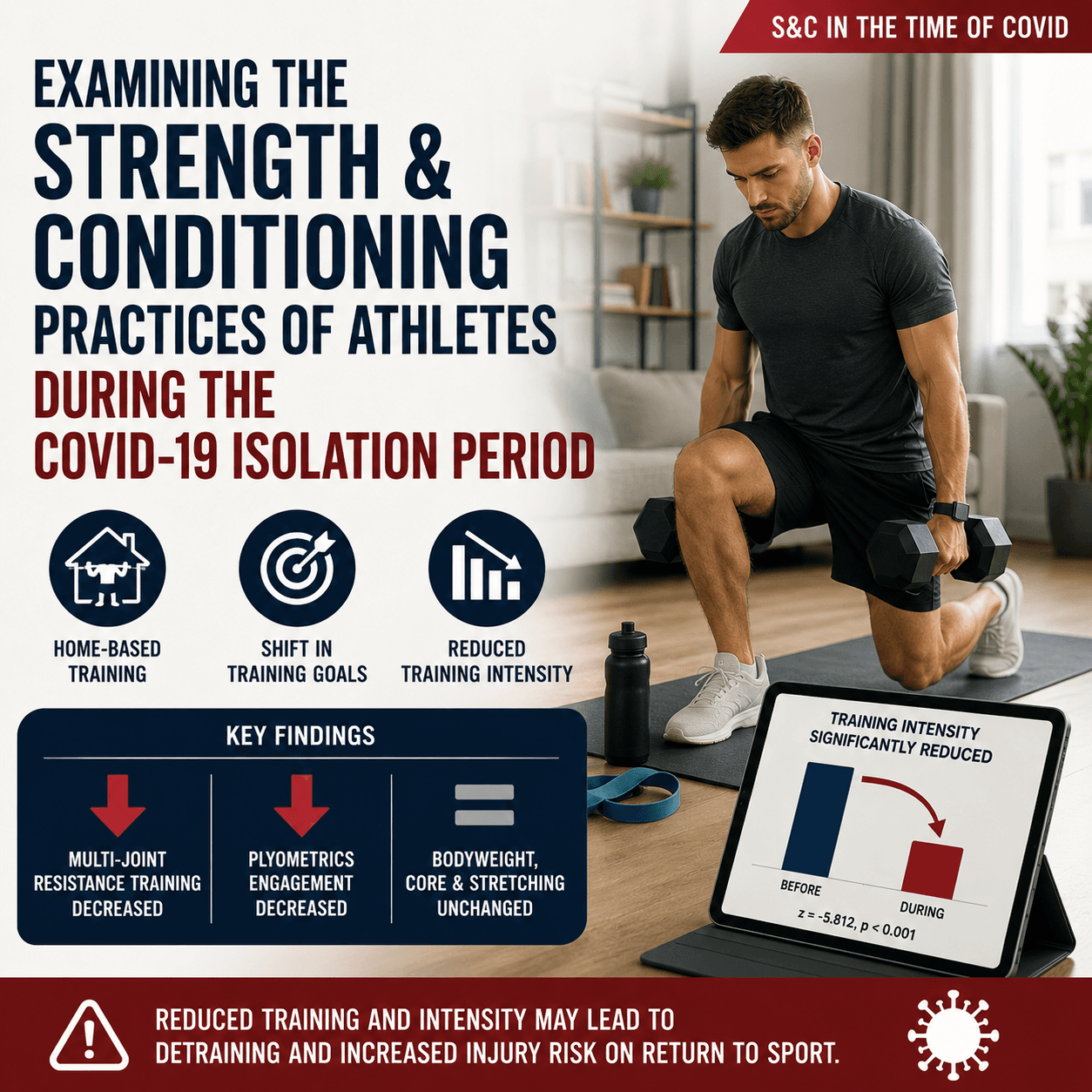
Examining the strength and conditioning practices of athletes during the COVID-19 isolation period
Explore how COVID-19 isolation affected athletes’ strength and conditioning practices, training intensity, goals and potential detraining.

Profile img
ARTICLE
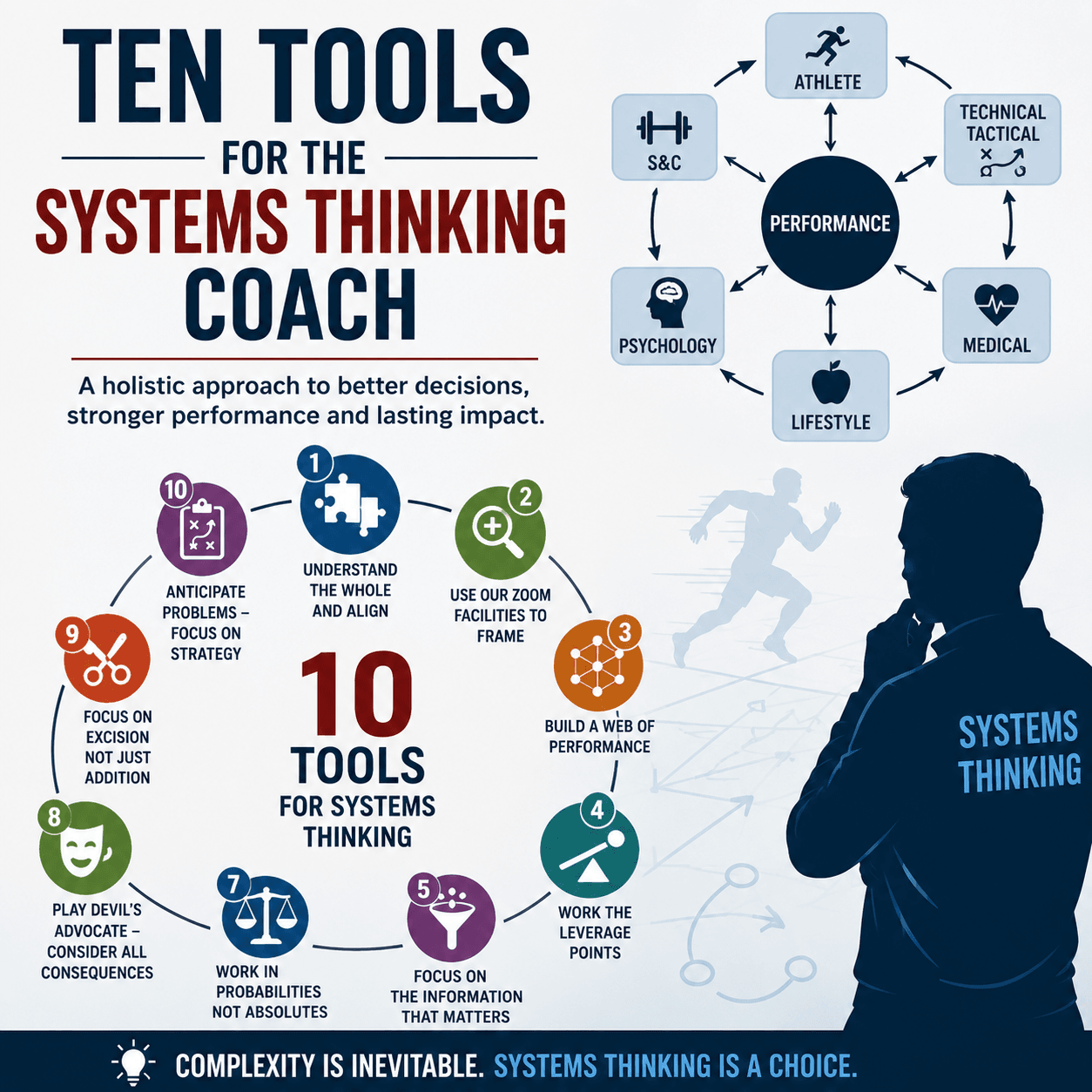
Ten tools for the systems thinking coach
Ian Jeffreys presents ten practical tools to help strength and conditioning coaches apply systems thinking and make more effective, context-specific decisions.

Profile img
ARTICLE
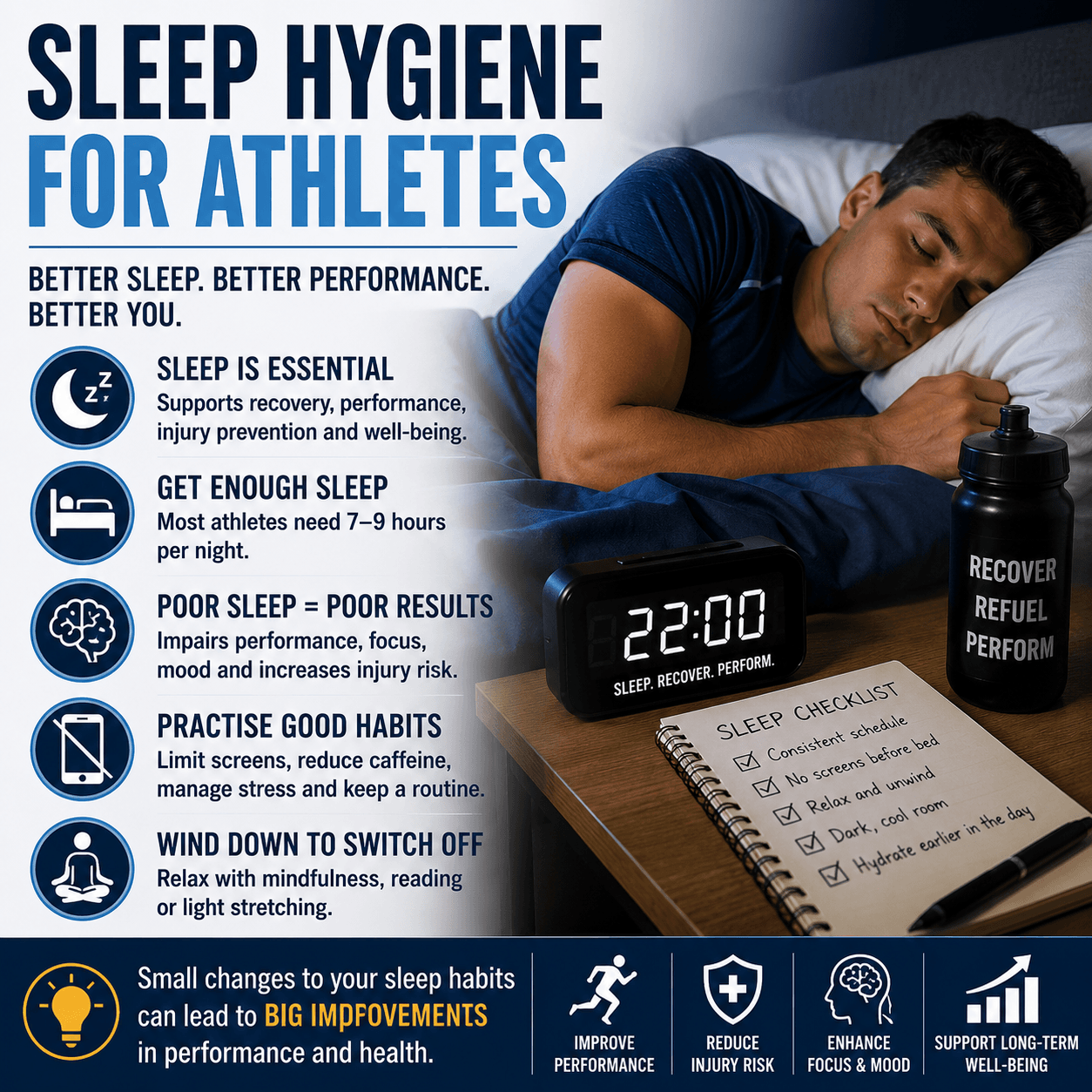
Sleep hygiene for athletes
Explore the importance of sleep for athletes and practical sleep hygiene strategies to support recovery, performance, well-being and injury prevention.

Profile img
ARTICLE
PREMIUM
Professional Strength & Conditioning - Issue 61 - June 2021
Various
S&C practices during COVID-19 isolation; Ten Tools for the Systems Thinking Coach; Sleep Hygiene for athletes.

Profile img
ARTICLE
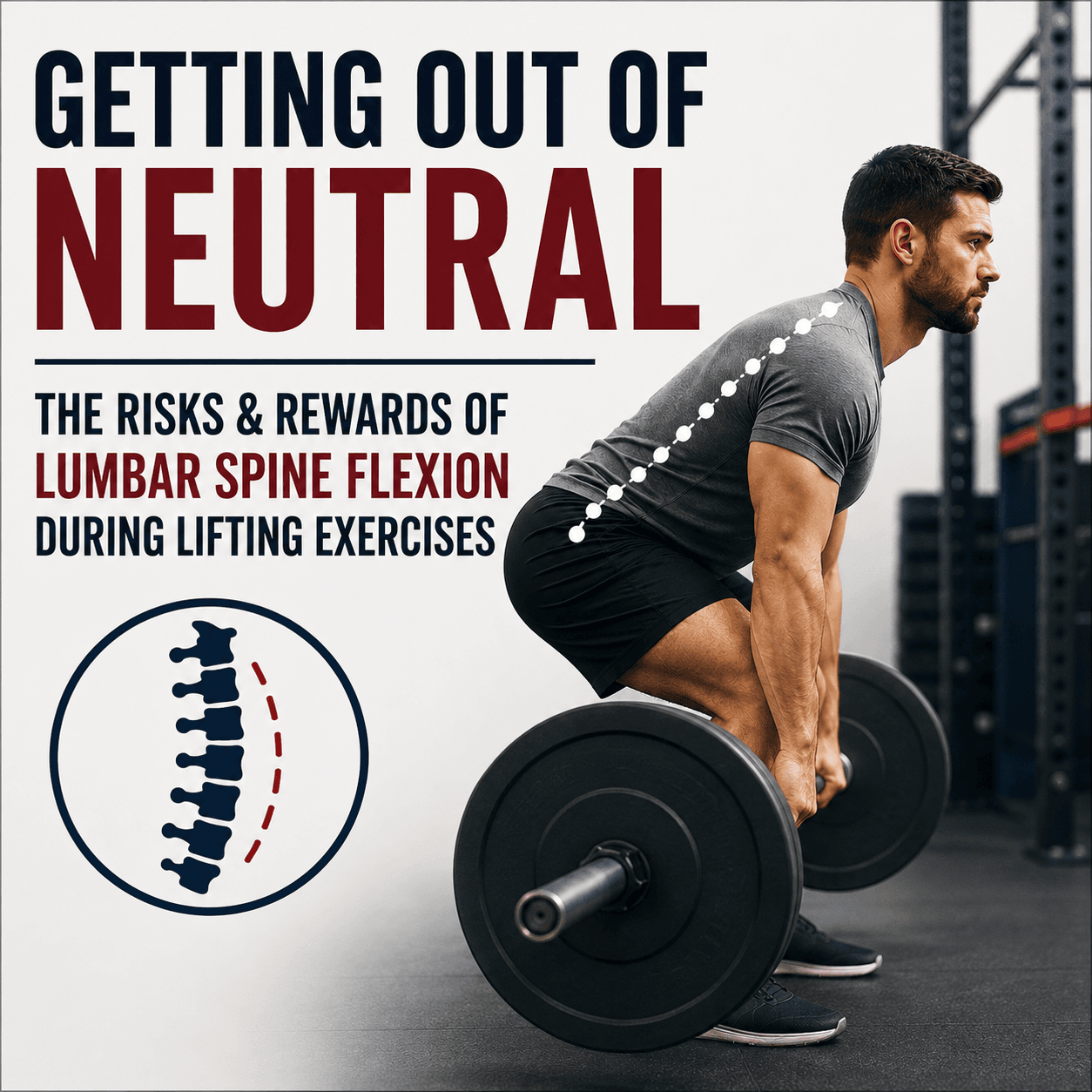
Getting out of neutral: the risks and rewards of lumbar spine flexion during lifting exercises
Explore the risks and benefits of lumbar spine flexion during lifting, challenging the traditional emphasis on maintaining a neutral spine.

Profile img
ARTICLE
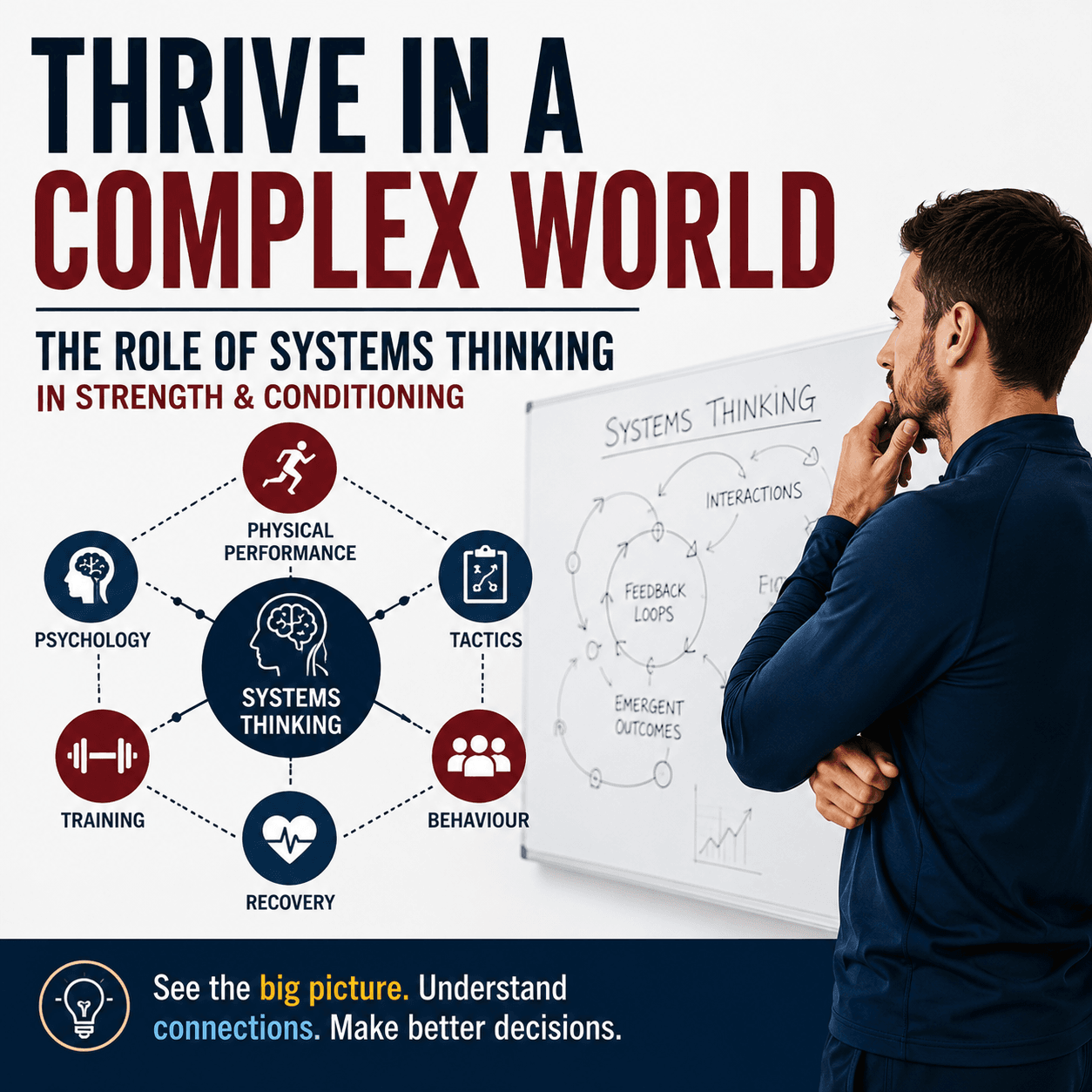
How to thrive in a complex world: the role of systems thinking
Ian Jeffreys explores how systems thinking can help strength and conditioning coaches understand complexity, improve decision-making and optimise athlete performance.

Profile img
ARTICLE
PREMIUM
Professional Strength & Conditioning - Issue 60 - March 2021
Various
Qualifications and Skill Sets Required for S&C Employment; Risks/Rewards of Lumbar Flexion During Lifting; The Role of systems thinking.