Fuse logo
Logo image

PSCJ


But did my athlete improve? Assessing performance changes when N=1

13/03/2022

Anthony Turner

ABSTRACT

Monitoring individual athlete performance requires more than comparing two test scores, it demands an understanding of whether observed changes exceed normal measurement error. In this practical coaching article, Anthony Turner explains a straightforward method for analysing performance changes in a single athlete (N = 1) using standard deviation (SD) and confidence intervals. The paper introduces key concepts including the coefficient of variation (CV), standard error of measurement (SEM) and standard deviation before demonstrating why SD provides a simple and effective threshold for identifying meaningful change in individual athletes. The article also explores the trade-off between Type I (false positive) and Type II (false negative) errors, encouraging coaches to adopt a philosophy that reflects the practical consequences of each within high-performance sport. Practical examples show how to interpret overlapping confidence intervals, establish realistic performance targets and evaluate whether athletes have genuinely improved, maintained performance or declined between testing sessions. The article concludes by emphasising that robust decision-making depends on balancing statistical confidence with coaching judgement while ensuring testing methods are reliable enough to detect meaningful performance adaptations.


Related Topics

Profile image
Author: Anthony Turner

Anthony is a Professor of Strength and Conditioning and the Research Degrees Coordinator at the London Sport Institute, Middlesex University. 

In this issue

Profile img
ARTICLE
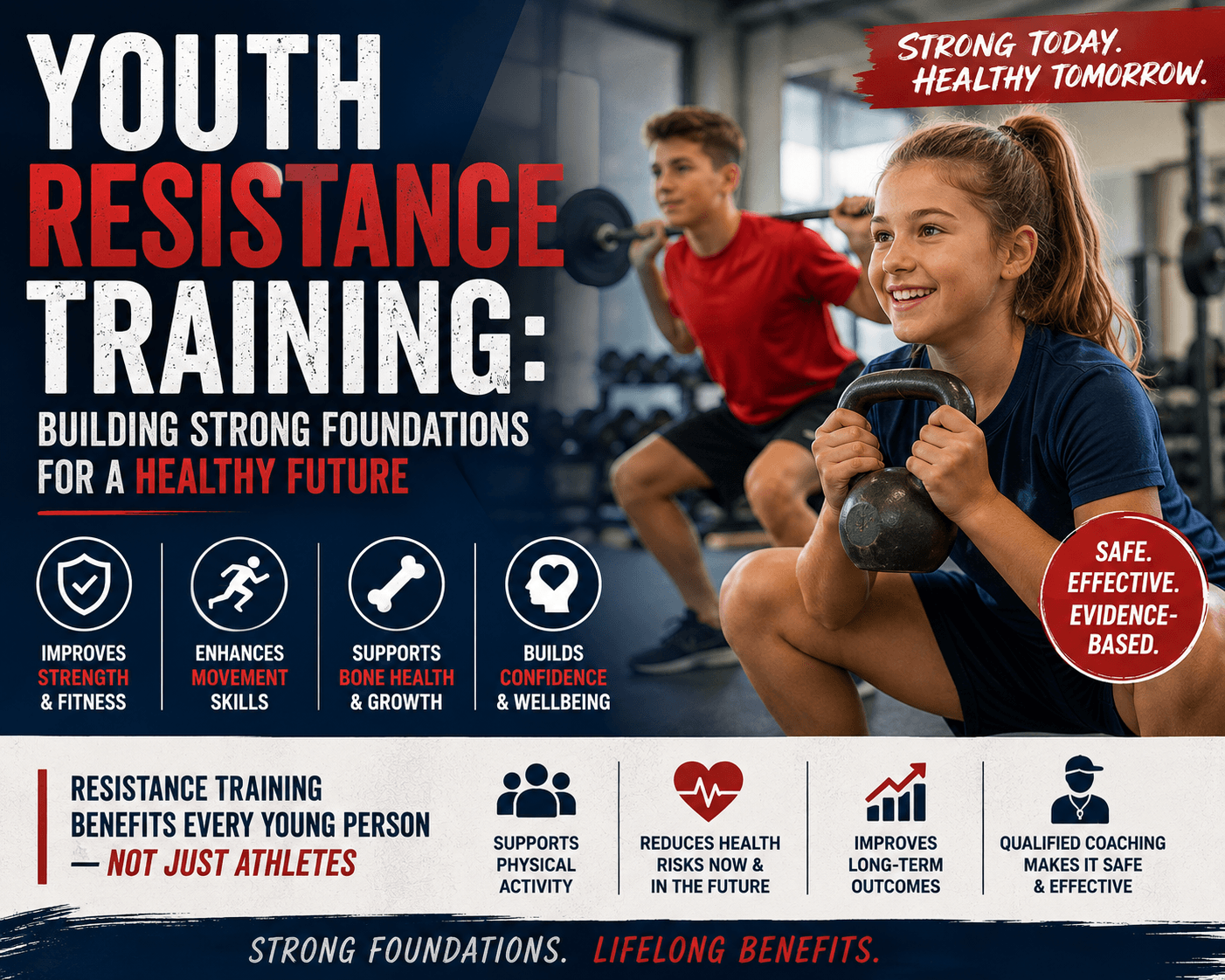
Youth resistance training: building strong foundations for a healthy future
Discover the health benefits of youth resistance training and learn how safe, supervised programmes can improve strength, confidence, movement skills and lifelong physical activity.

Profile img
ARTICLE
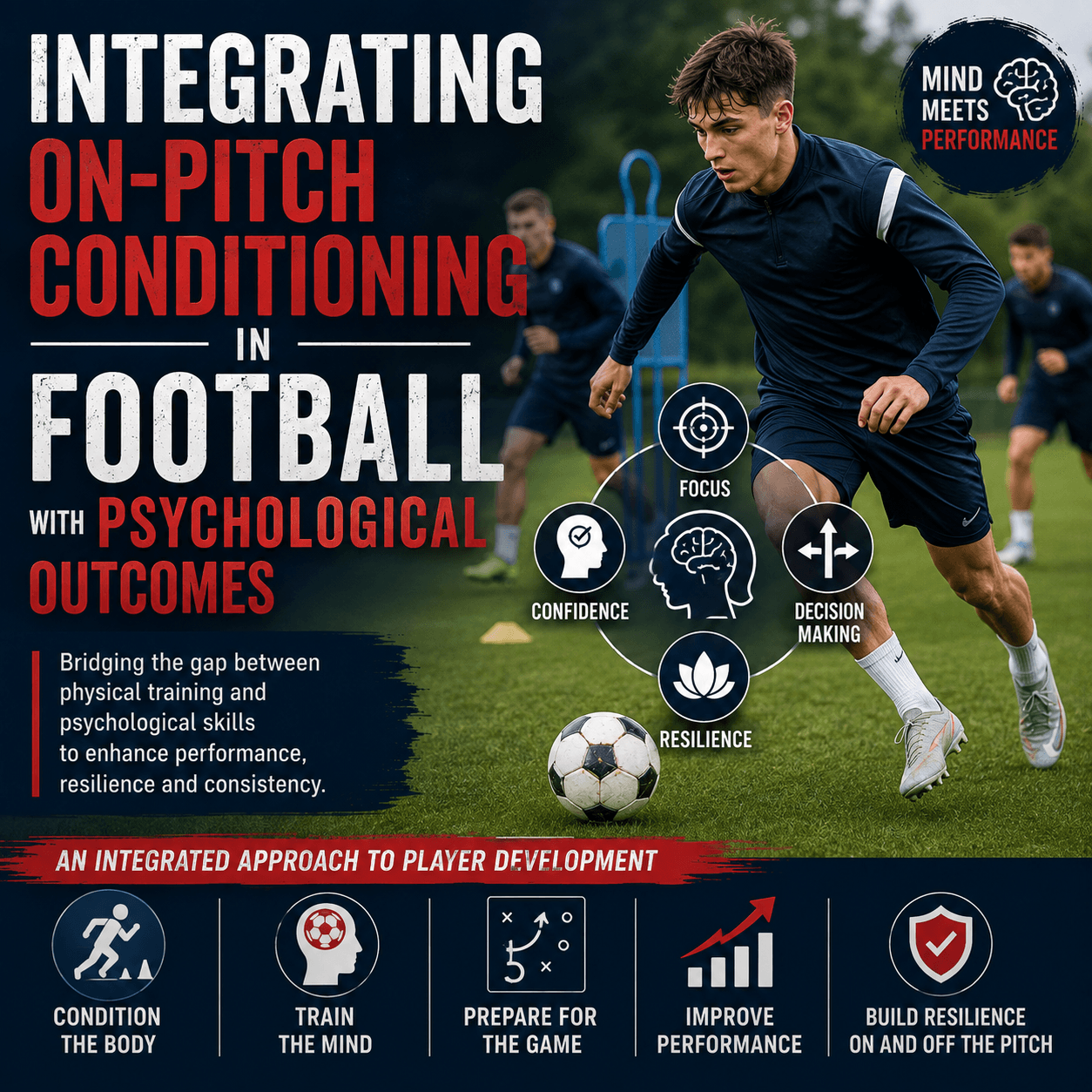
Integrating on-pitch conditioning in football with psychological outcomes
Learn how integrating psychological skills into on-pitch football conditioning can improve performance, resilience and decision-making through an evidence-based, periodised coaching approach.

Profile img
ARTICLE
PREMIUM
Professional Strength & Conditioning - Issue 66 - Autumn 2022
Various
Psychosocial Coaching Practices; Youth Resistance Training; and Integrating on-pitch Conditioning in football with Psychological Outcomes.

Profile img
ARTICLE
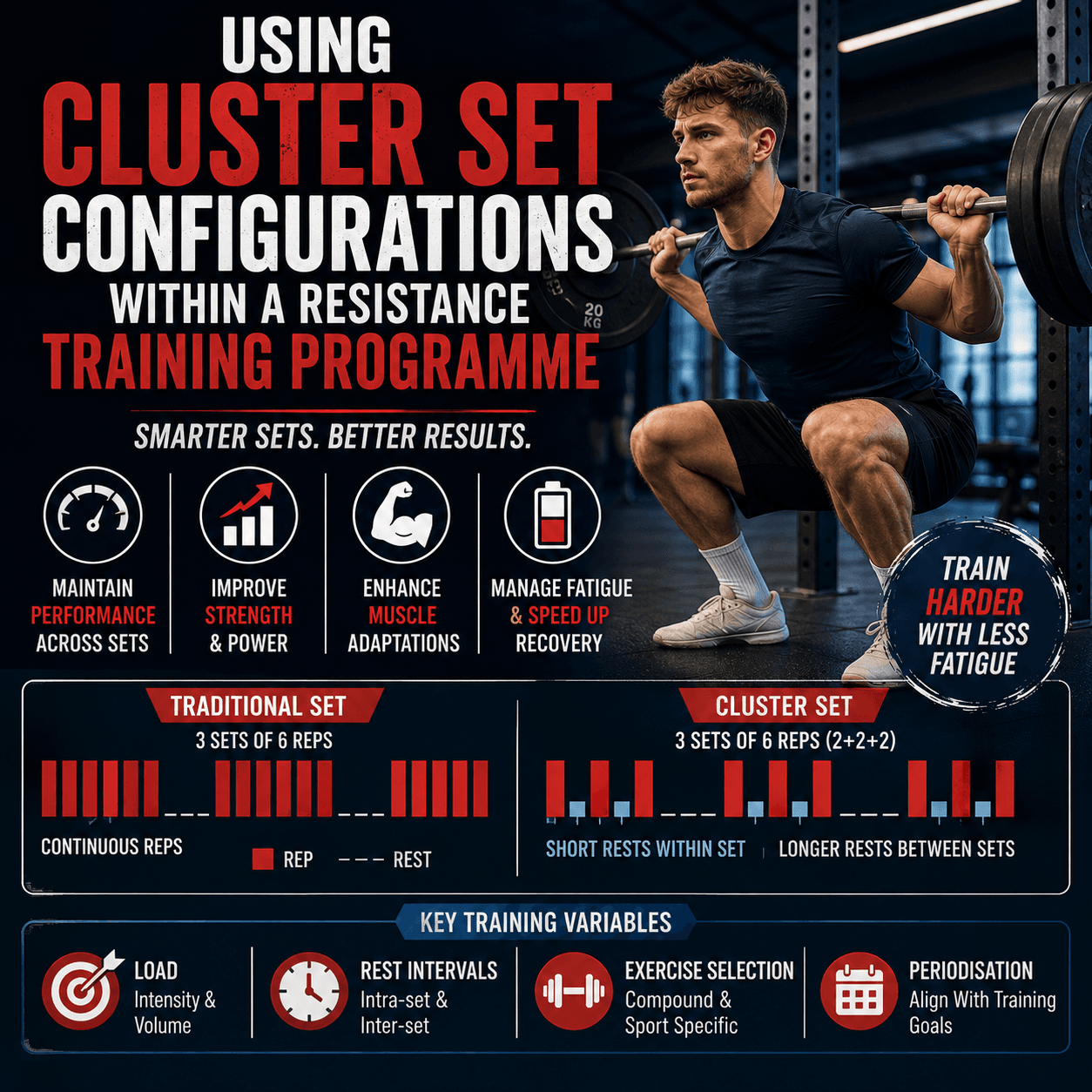
Using cluster set configurations within a resistance training programme
Learn how cluster set configurations can enhance resistance training by managing fatigue, maintaining movement quality and improving strength and power through evidence-based programme design.

Profile img
ARTICLE
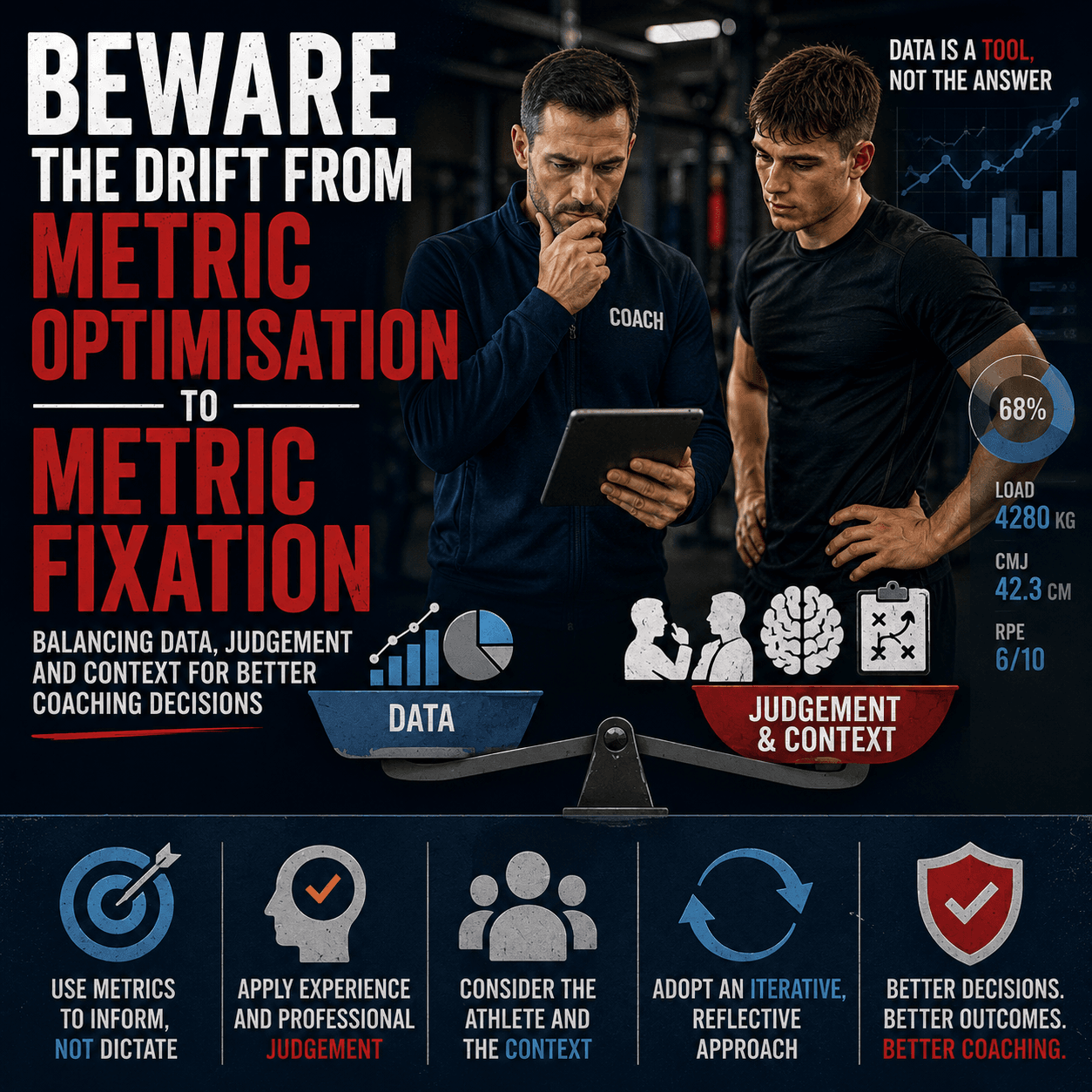
Beware the drift from metric optimisation to metric fixation
Discover how strength and conditioning coaches can use metrics effectively without becoming overly reliant on data, balancing measurement with professional judgement, context and athlete-centred decision-making.

Profile img
ARTICLE
PREMIUM
Professional Strength & Conditioning - Issue 65 - Summer 2022
Various
Using Cluster Sets in Resistance Training; Distinguishing Metric Optimisation and Metric Fixation; An Introduction to the UKSCA Pathway.

Profile img
ARTICLE
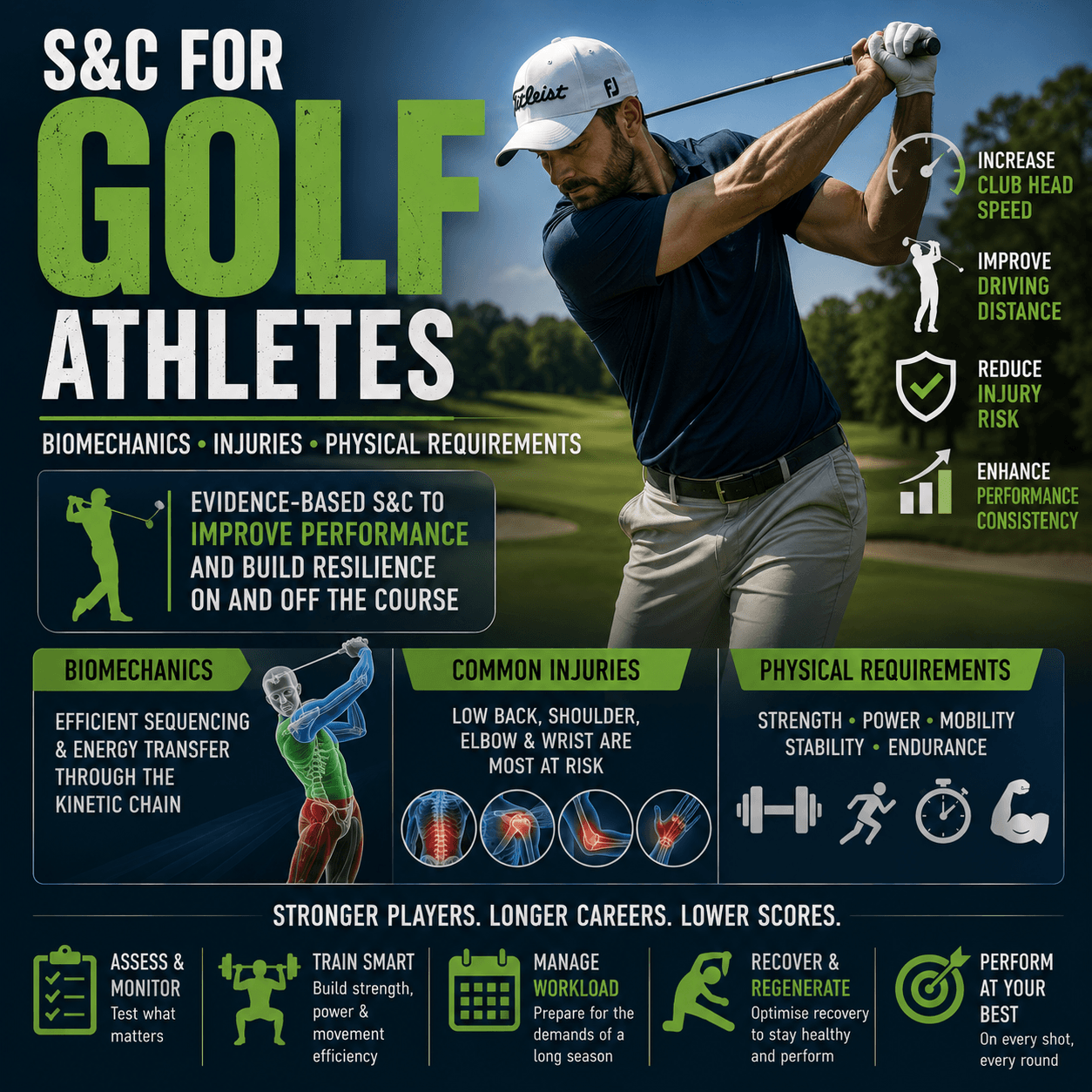
S&C for golf athletes: biomechanics, common injuries and physical requirements
Discover how strength and conditioning can improve golf performance through evidence-based training, biomechanics, injury prevention and physical testing to increase club head speed, driving distance and player resilience.

Profile img
ARTICLE
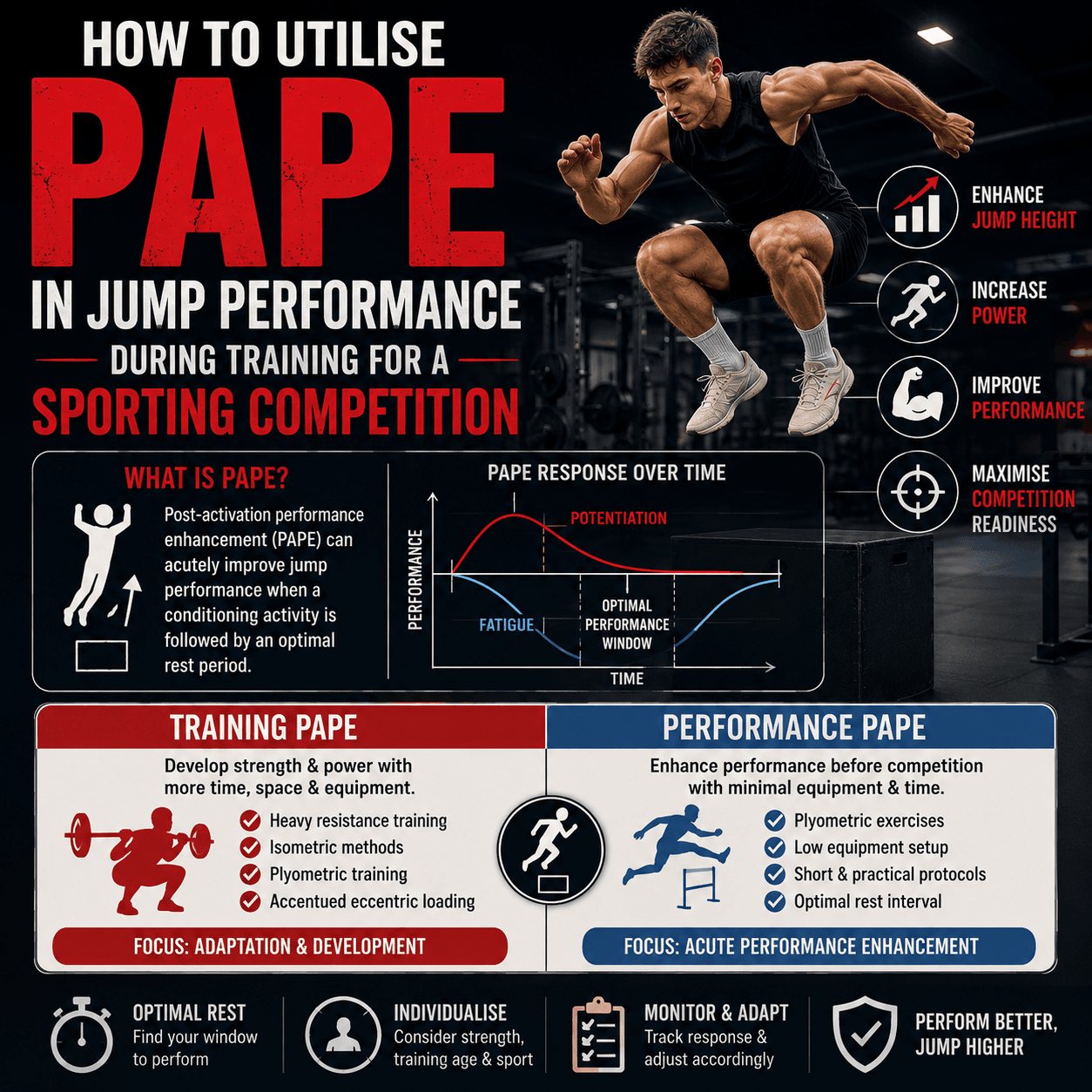
How to utilise PAPE in jump performance during training for a sporting competition
Learn how to use post-activation performance enhancement (PAPE) to improve jump performance through evidence-based warm-up strategies, training protocols and practical applications for both training and competition.

Profile img
ARTICLE
Professional Strength & Conditioning - Issue 64 - March 2022
Various
S&C for golf athletes; Utilising PAPE in jump Performance Training, Assessing Performance Changes in Athletes.