Fuse logo
Logo image

PSCJ


Beware the drift from metric optimisation to metric fixation

17/08/2022

Ian Jeffreys and Liam Hennessy

ABSTRACT

Metrics have become an integral part of modern strength and conditioning, providing valuable insights into athlete performance, training load and programme effectiveness. However, this article argues that the profession must guard against the shift from metric optimisation - using data to inform coaching decisions - to metric fixation, where numerical measures begin to dominate practice at the expense of judgement, context and coaching expertise. Drawing on examples from sport, business and systems thinking, the authors explore how excessive reliance on data can narrow perspectives, encourage bureaucracy, distort decision-making and overlook critical but difficult-to-measure factors such as culture, relationships, motivation and work ethic. They also discuss the unintended behavioural consequences of measurement, including athlete gaming, psychological responses to monitoring and the opportunity costs of excessive data collection. Rather than rejecting metrics, the authors advocate a balanced, iterative approach in which data supports, rather than replaces, practitioner experience and contextual understanding. The article concludes that the most effective strength and conditioning practice blends objective measurement with informed judgement, ensuring that metrics remain a tool for better decisions rather than becoming the focus of coaching itself.
Related Topics


In this issue

Profile img
ARTICLE
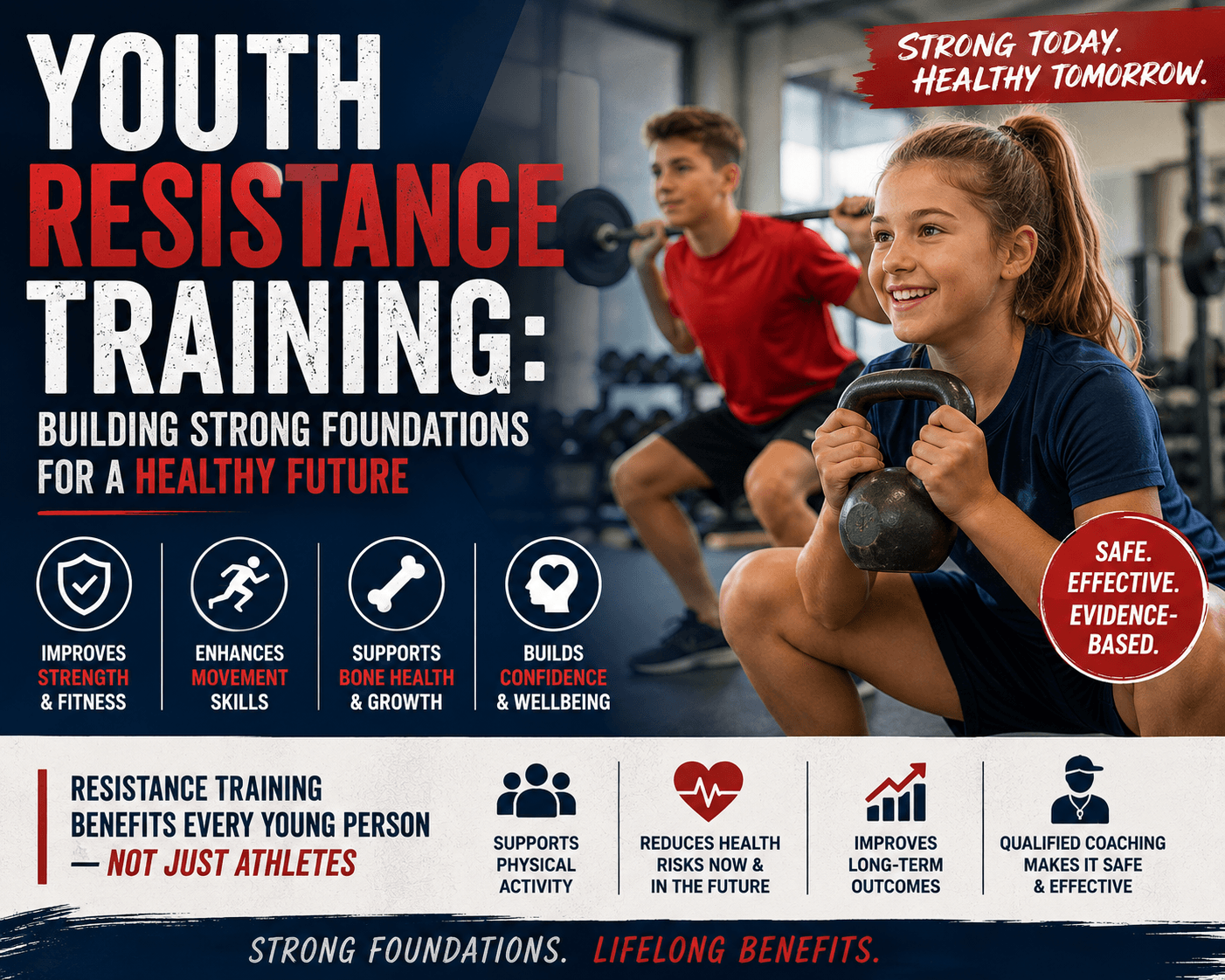
Youth resistance training: building strong foundations for a healthy future
Discover the health benefits of youth resistance training and learn how safe, supervised programmes can improve strength, confidence, movement skills and lifelong physical activity.

Profile img
ARTICLE
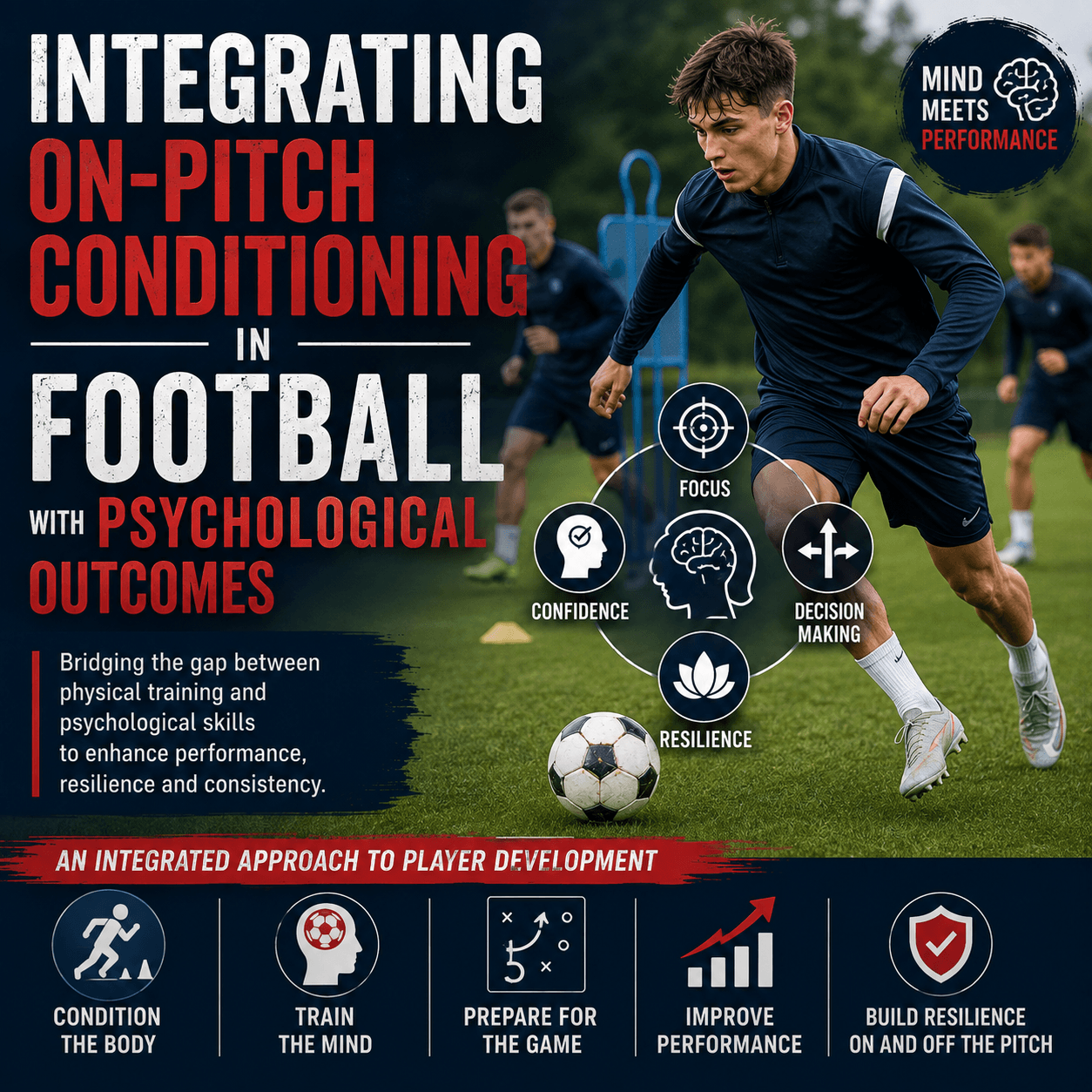
Integrating on-pitch conditioning in football with psychological outcomes
Learn how integrating psychological skills into on-pitch football conditioning can improve performance, resilience and decision-making through an evidence-based, periodised coaching approach.

Profile img
ARTICLE
PREMIUM
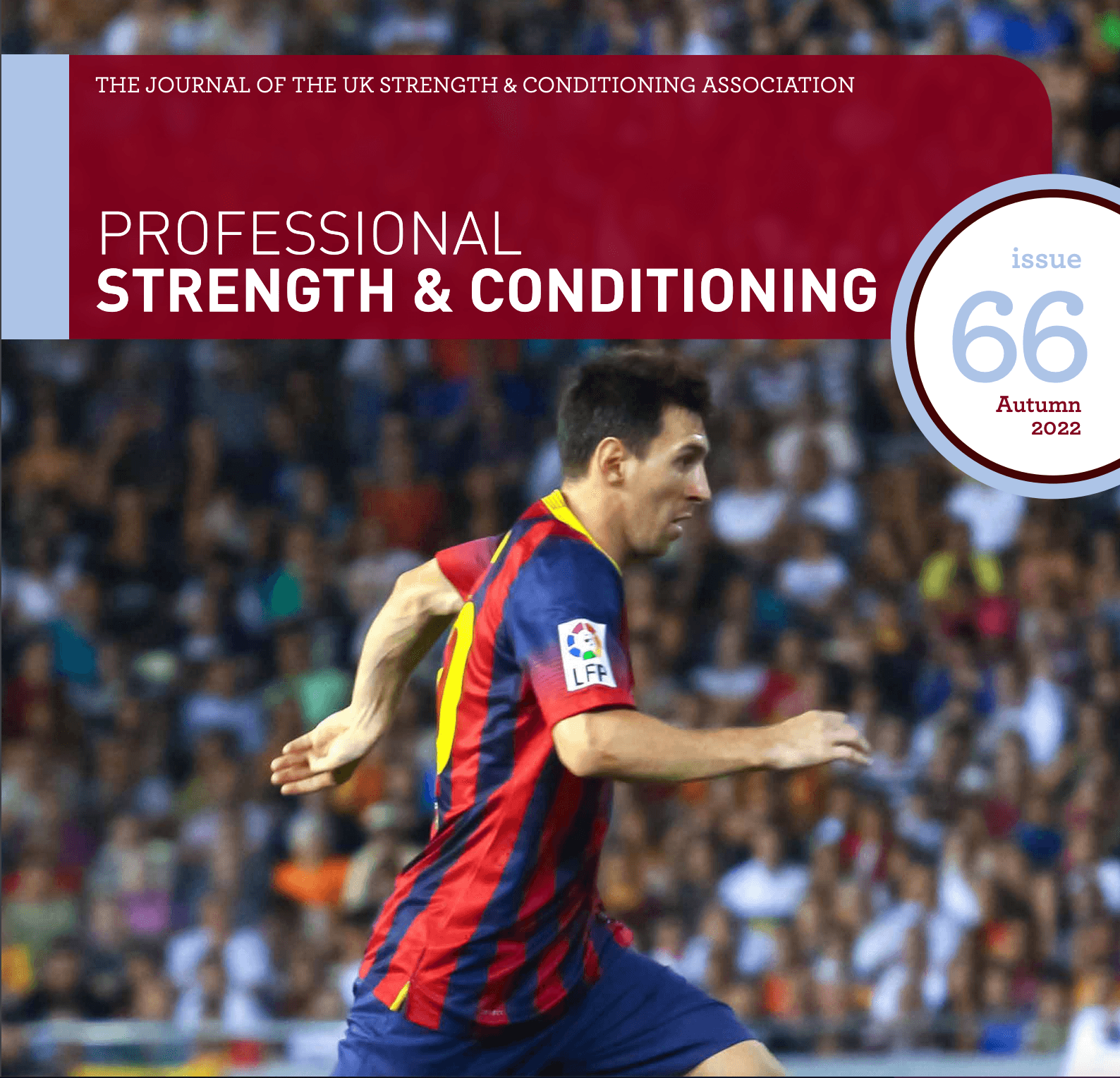
Professional Strength & Conditioning - Issue 66 - Autumn 2022
Various
Psychosocial Coaching Practices; Youth Resistance Training; and Integrating on-pitch Conditioning in football with Psychological Outcomes.

Profile img
ARTICLE
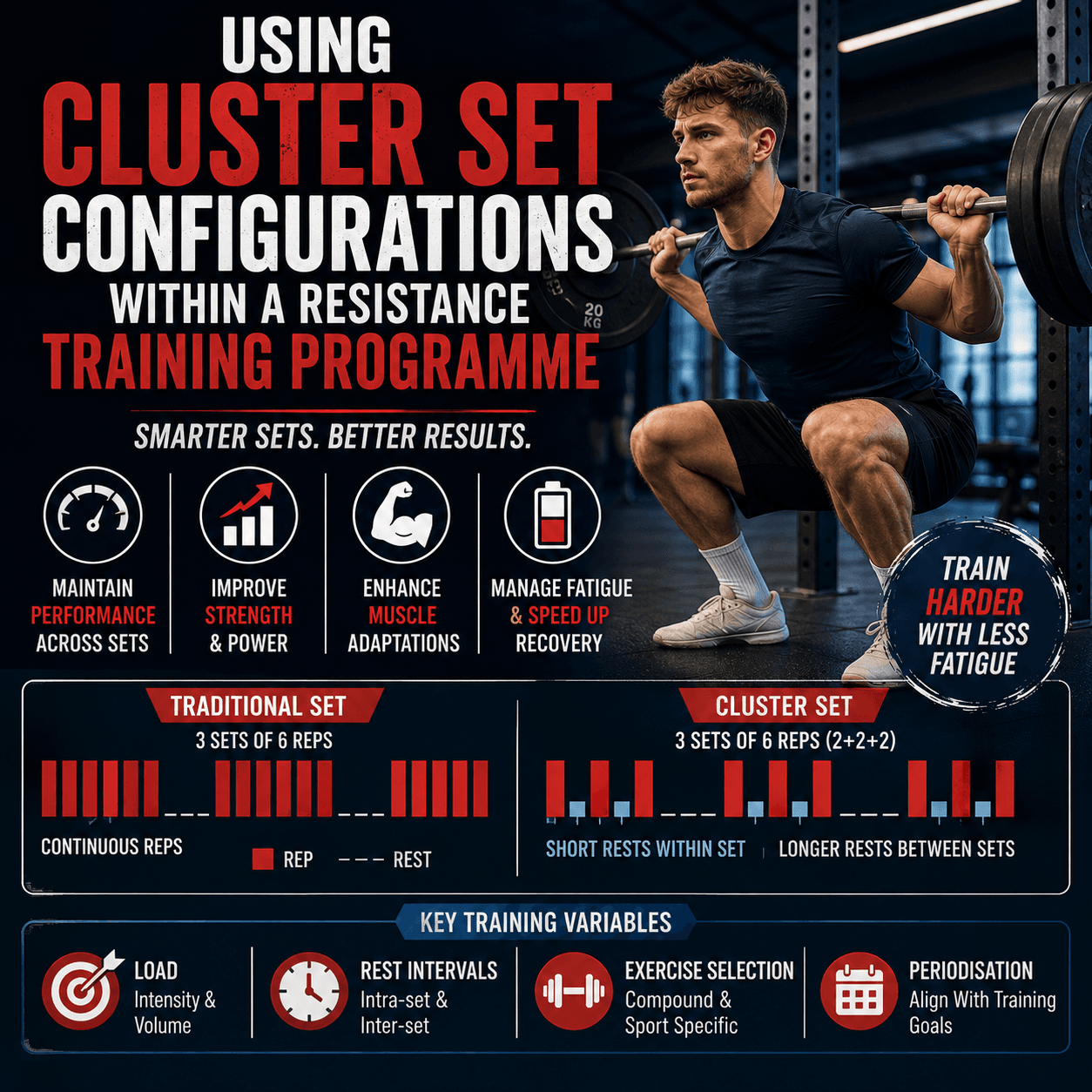
Using cluster set configurations within a resistance training programme
Learn how cluster set configurations can enhance resistance training by managing fatigue, maintaining movement quality and improving strength and power through evidence-based programme design.

Profile img
ARTICLE
PREMIUM
Professional Strength & Conditioning - Issue 65 - Summer 2022
Various
Using Cluster Sets in Resistance Training; Distinguishing Metric Optimisation and Metric Fixation; An Introduction to the UKSCA Pathway.

Profile img
ARTICLE
S&C for golf athletes: biomechanics, common injuries and physical requirements
Discover how strength and conditioning can improve golf performance through evidence-based training, biomechanics, injury prevention and physical testing to increase club head speed, driving distance and player resilience.

Profile img
ARTICLE
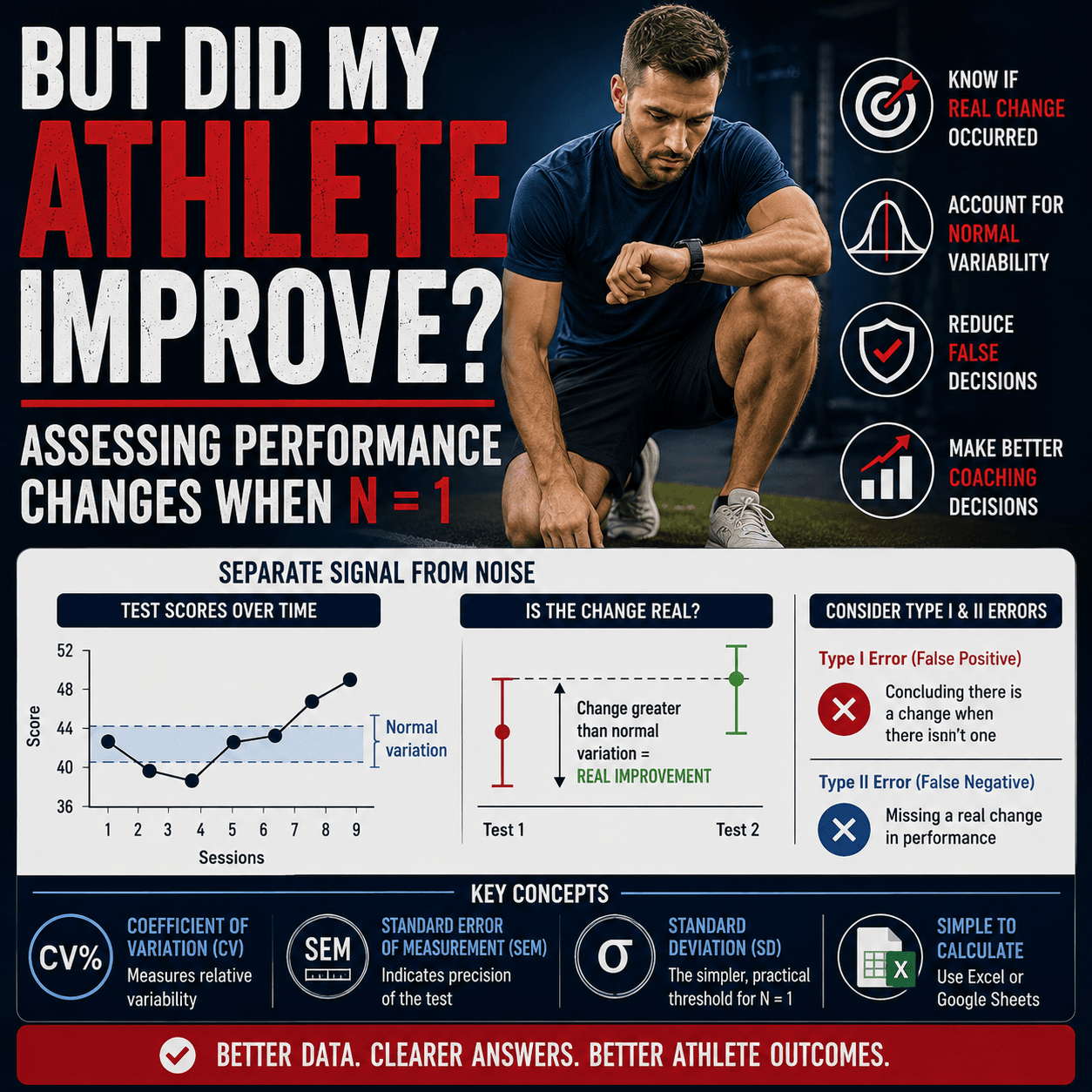
But did my athlete improve? Assessing performance changes when N=1
Learn how to determine whether a single athlete has truly improved by using standard deviation, confidence intervals and practical Excel-based analysis to distinguish meaningful performance changes from normal test variability.

Profile img
ARTICLE
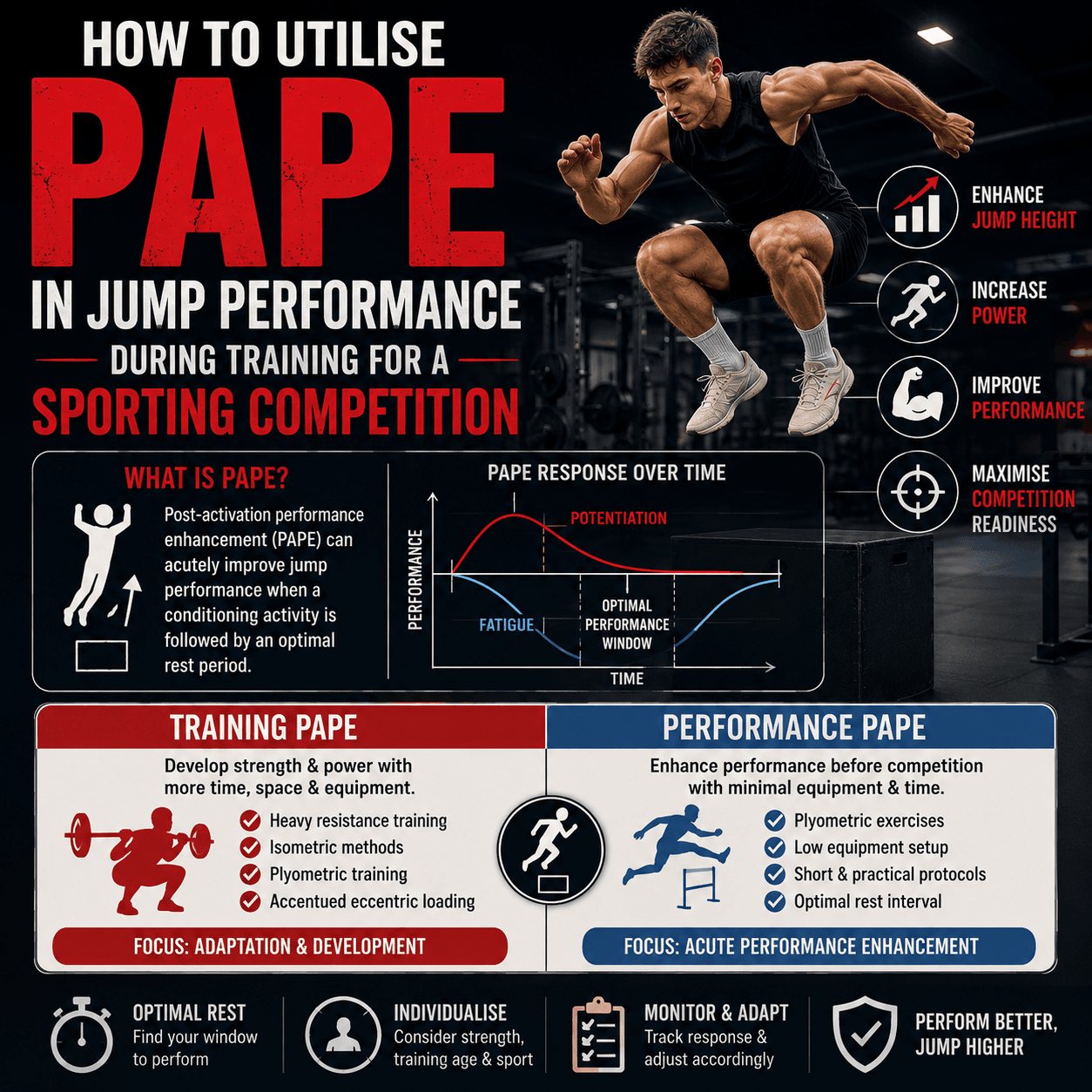
How to utilise PAPE in jump performance during training for a sporting competition
Learn how to use post-activation performance enhancement (PAPE) to improve jump performance through evidence-based warm-up strategies, training protocols and practical applications for both training and competition.

Profile img
ARTICLE
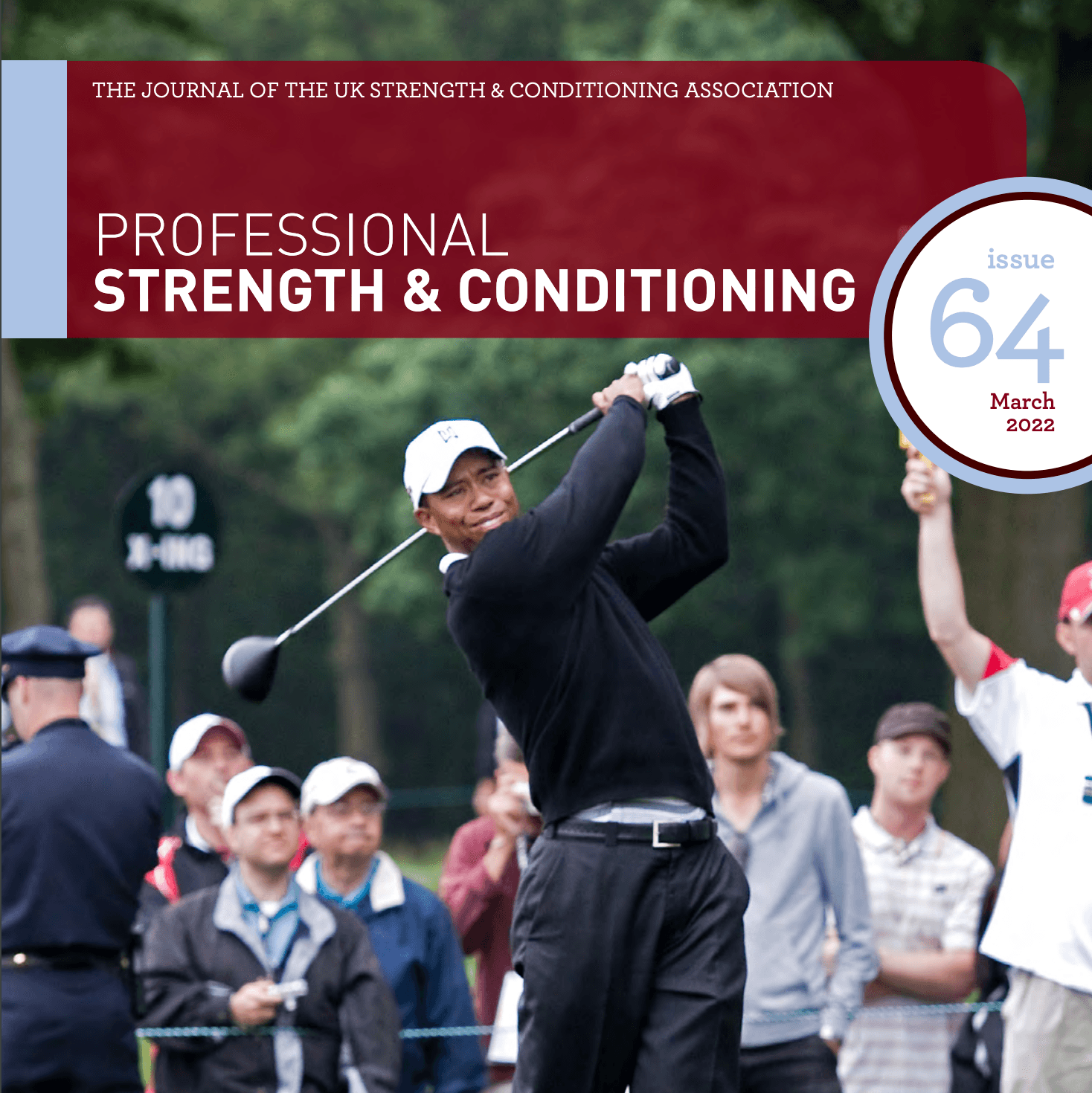
Professional Strength & Conditioning - Issue 64 - March 2022
Various
S&C for golf athletes; Utilising PAPE in jump Performance Training, Assessing Performance Changes in Athletes.