Fuse logo
Logo image

PSCJ


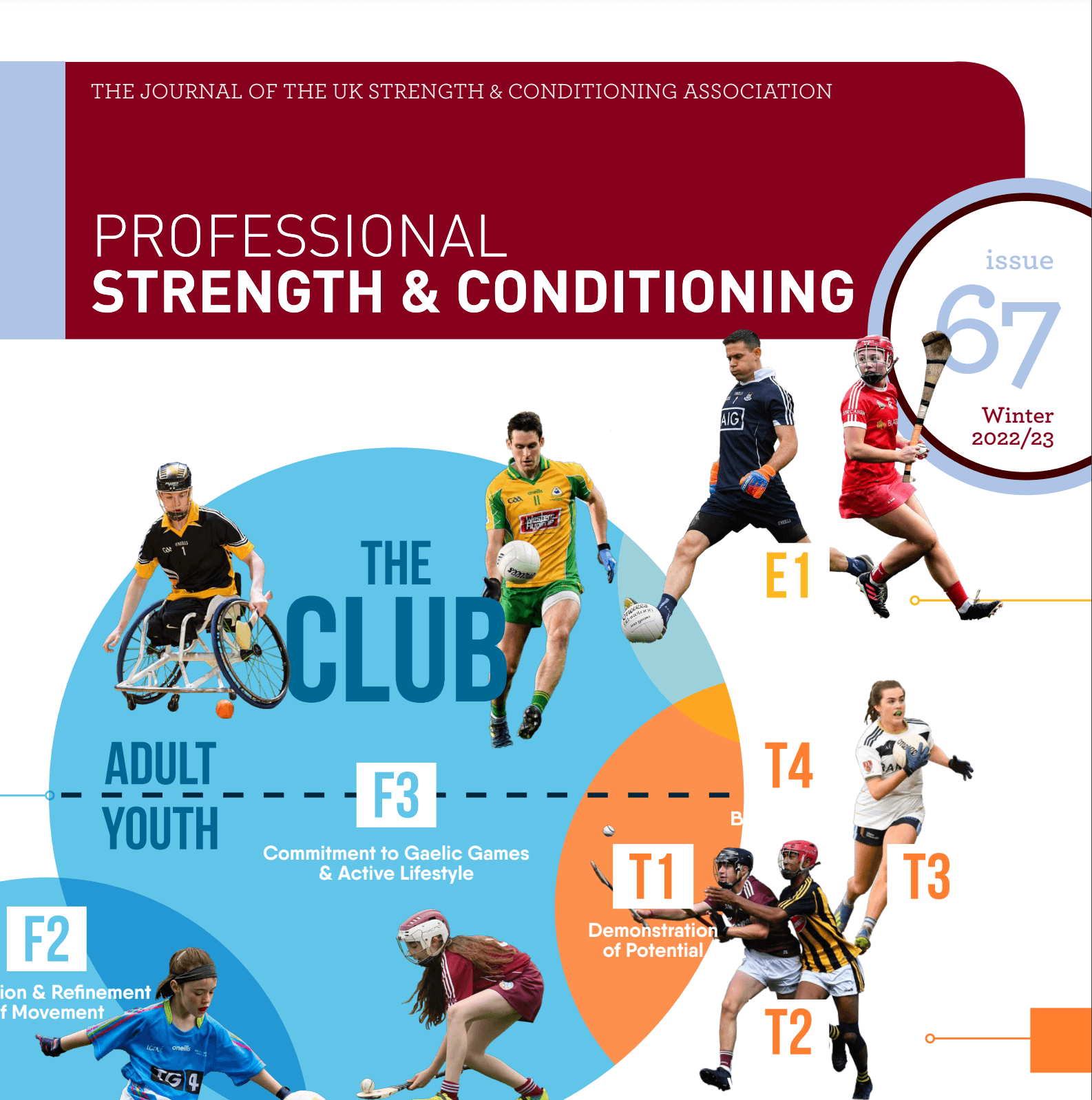
Long-term athletic development of Gaelic games players: an action statement

10/02/2023

Des Ryan, Ian Jeffreys, Fionn Fitzgerald, Niall Moyna, Aidan O’Connell, Shayne D Murphy, Annie McCarra, Dr David Kelly, Aaron Kyles, Cairbre Ó Cairealláin, Dr Bryan Cullen, Dr Alan McCall, Sean P Cumming, Dr Rhodri S Lloyd

ABSTRACT

Long-term athletic development (LTAD) is widely recognised as the foundation for improving performance, reducing injury risk and supporting lifelong participation in sport. This action statement presents an evidence-informed framework for implementing LTAD across Gaelic games, with practical guidance for coaches, clubs, schools, colleges and county programmes. Rather than introducing another theoretical model, the authors focus on translating established LTAD principles into an applied, flexible system that can be integrated throughout the Gaelic games player pathway. The framework is built around three interconnected domains - force, gamespeed and endurance - underpinned by functional competence, progressive development and age- and stage-appropriate coaching. Emphasis is placed on movement quality, resistance training, physical literacy, growth and maturation and the importance of competency-based progression rather than chronological age. The article also highlights the value of long-term planning, qualified athletic development coaches and integrated training environments that balance participation with high-performance aspirations. Collectively, the action statement provides coaches and stakeholders with a practical roadmap for developing healthier, more resilient and higher-performing Gaelic games players across every stage of the athlete pathway.
Related Topics


In this issue

Profile img
ARTICLE
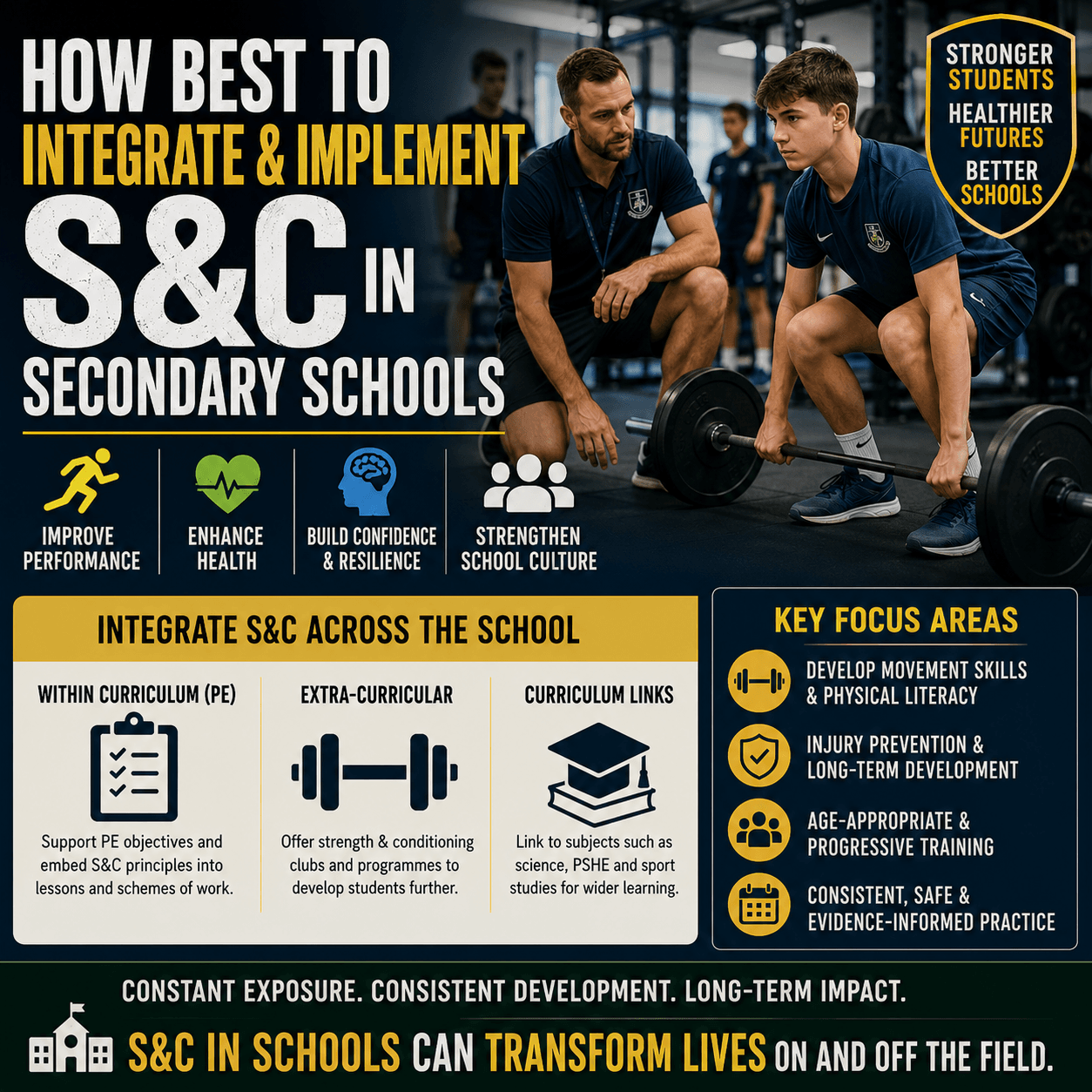
How best to integrate and implement S&C in secondary schools
Learn how to successfully integrate strength and conditioning into secondary schools, with practical strategies for PE, youth athletic development, resistance training and long-term physical literacy.

Profile img
ARTICLE
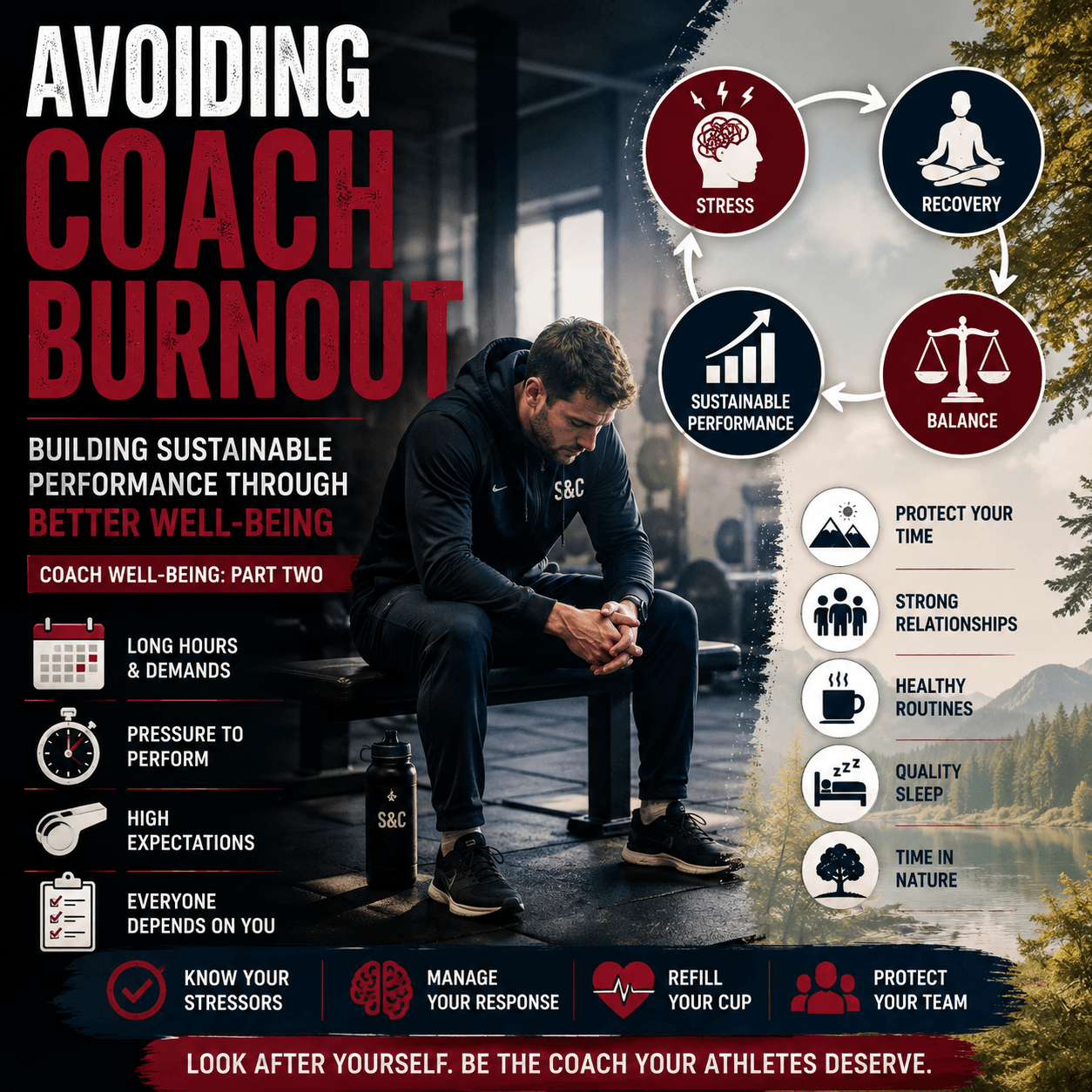
Burnout: how the S&C coach can take steps to avoid it
Learn how strength and conditioning coaches can recognise, prevent and recover from burnout through practical stress management, healthy boundaries and supportive workplace cultures.

Profile img
ARTICLE
PREMIUM
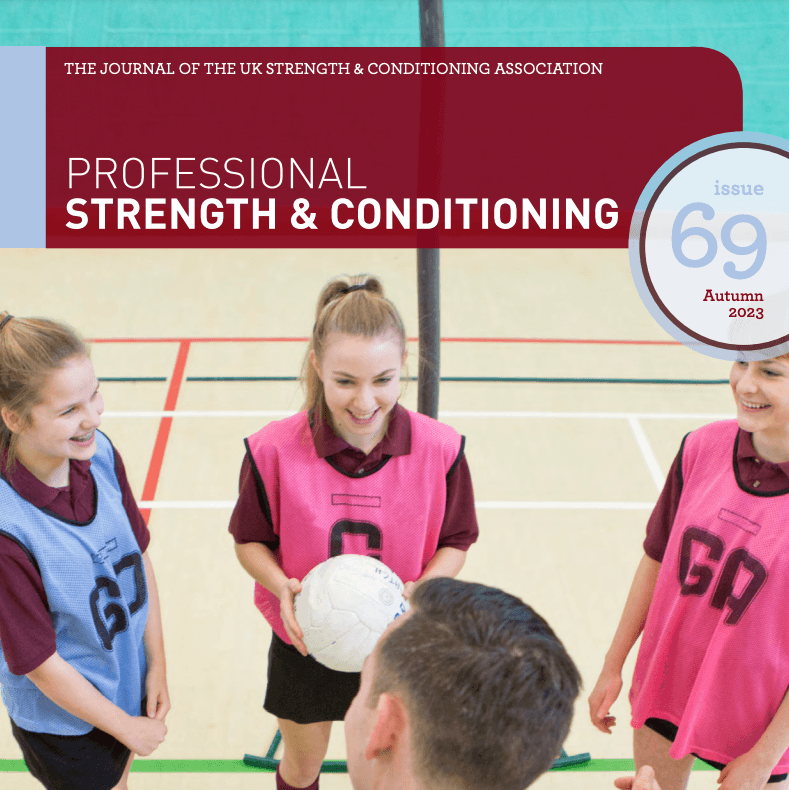
Professional Strength & Conditioning - Issue 69 - Autumn 2023
Various
How Best to Integrate S&C in Secondary Schools; Career Advice and the Girl's Pathway; Burnout: How to Avoid It.

Profile img
ARTICLE
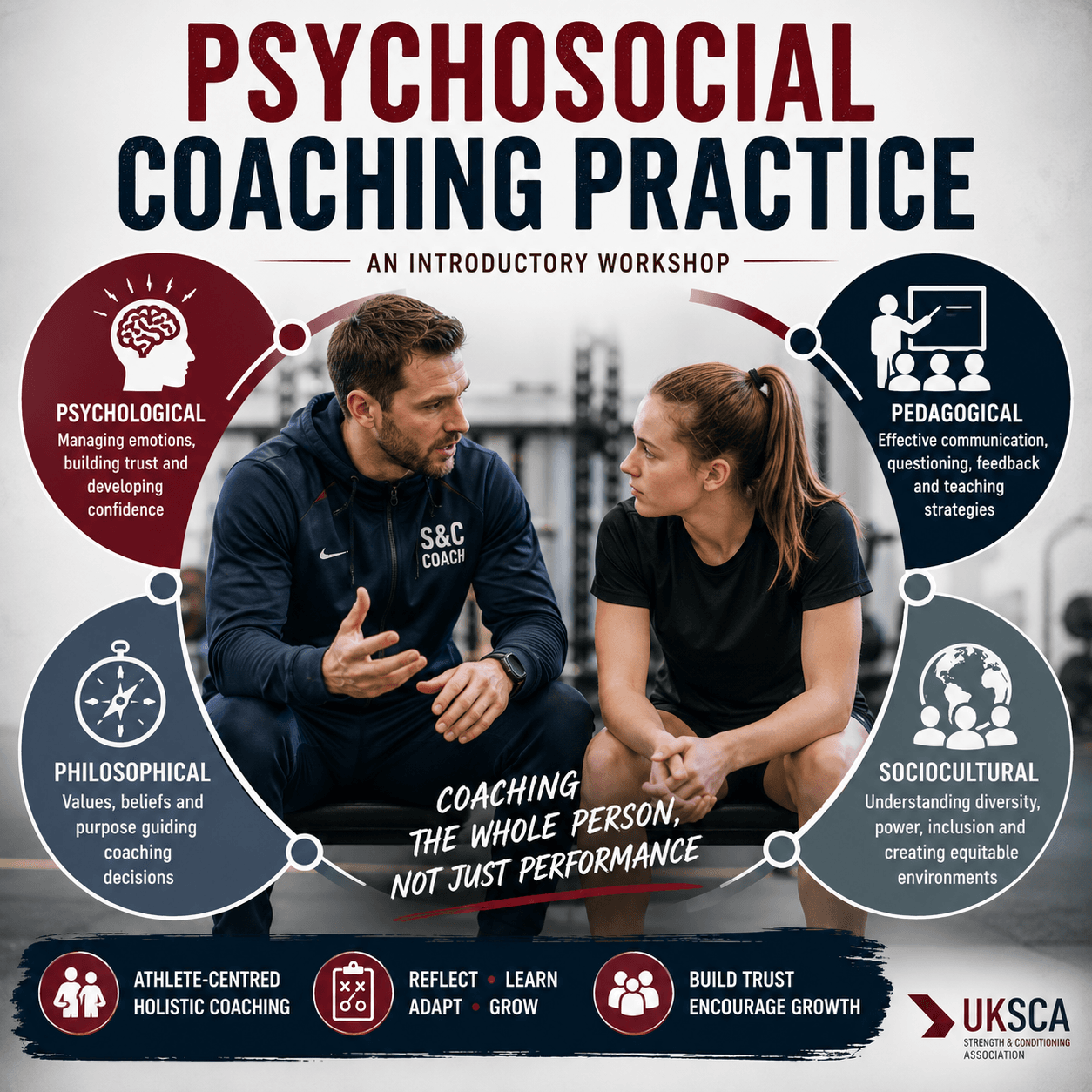
Psychosocial coaching practice: an introductory workshop
Discover why psychosocial coaching matters in strength and conditioning and how developing psychological, pedagogical, philosophical and sociocultural competencies can enhance athlete-centred coaching.

Profile img
ARTICLE
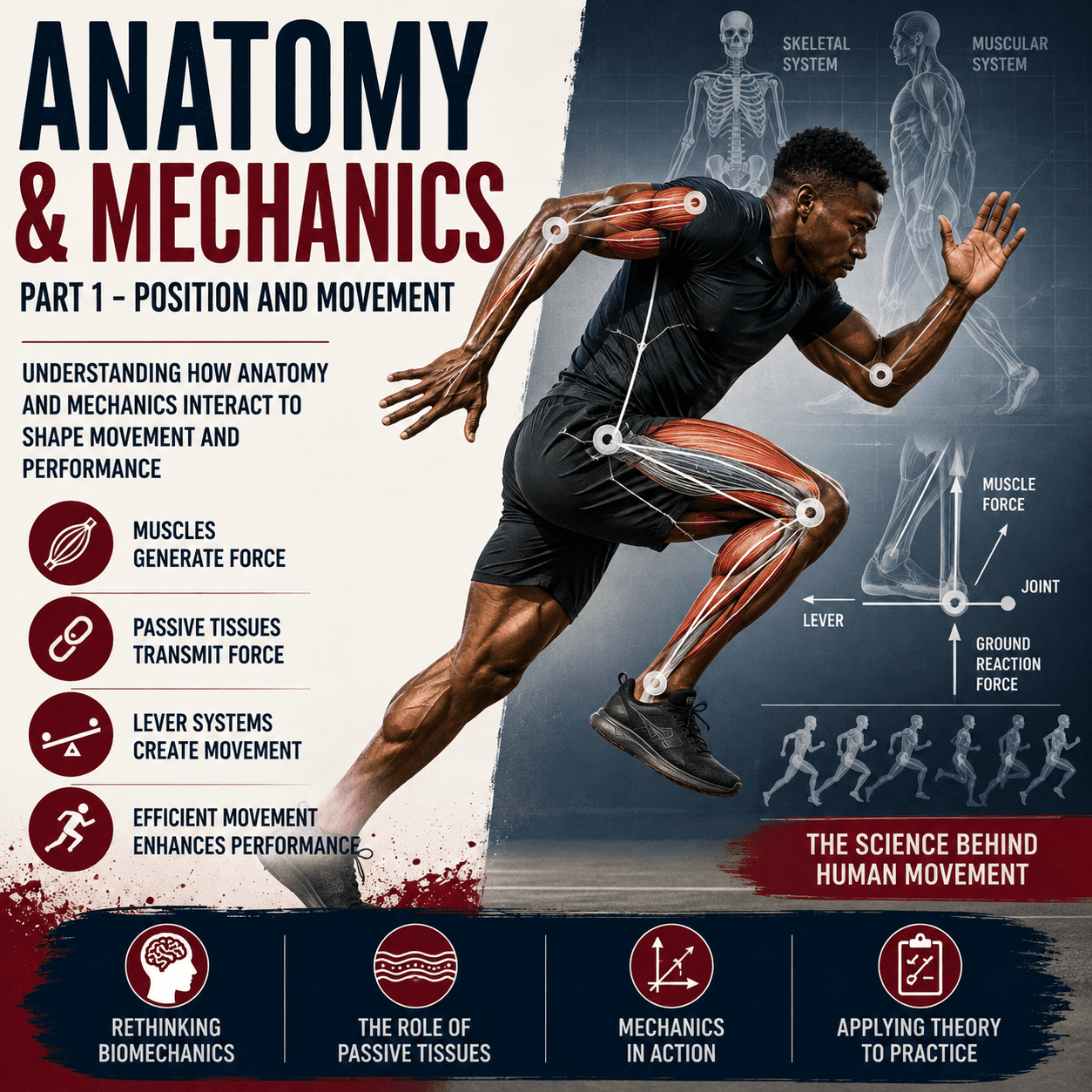
Anatomy and mechanics: Part 1 - Position and movement
Explore a modern perspective on anatomy and biomechanics, examining how passive tissues, fascia and mechanics influence movement, force transmission and athletic performance.

Profile img
ARTICLE
PREMIUM
Professional Strength & Conditioning - Issue 68 - Summer 2023
Various
Psychosocial Coaching; Career Periodisation; Anatomy and Mechanics and updates on Equality; Diversity and Inclusion in S&C.

Profile img
ARTICLE
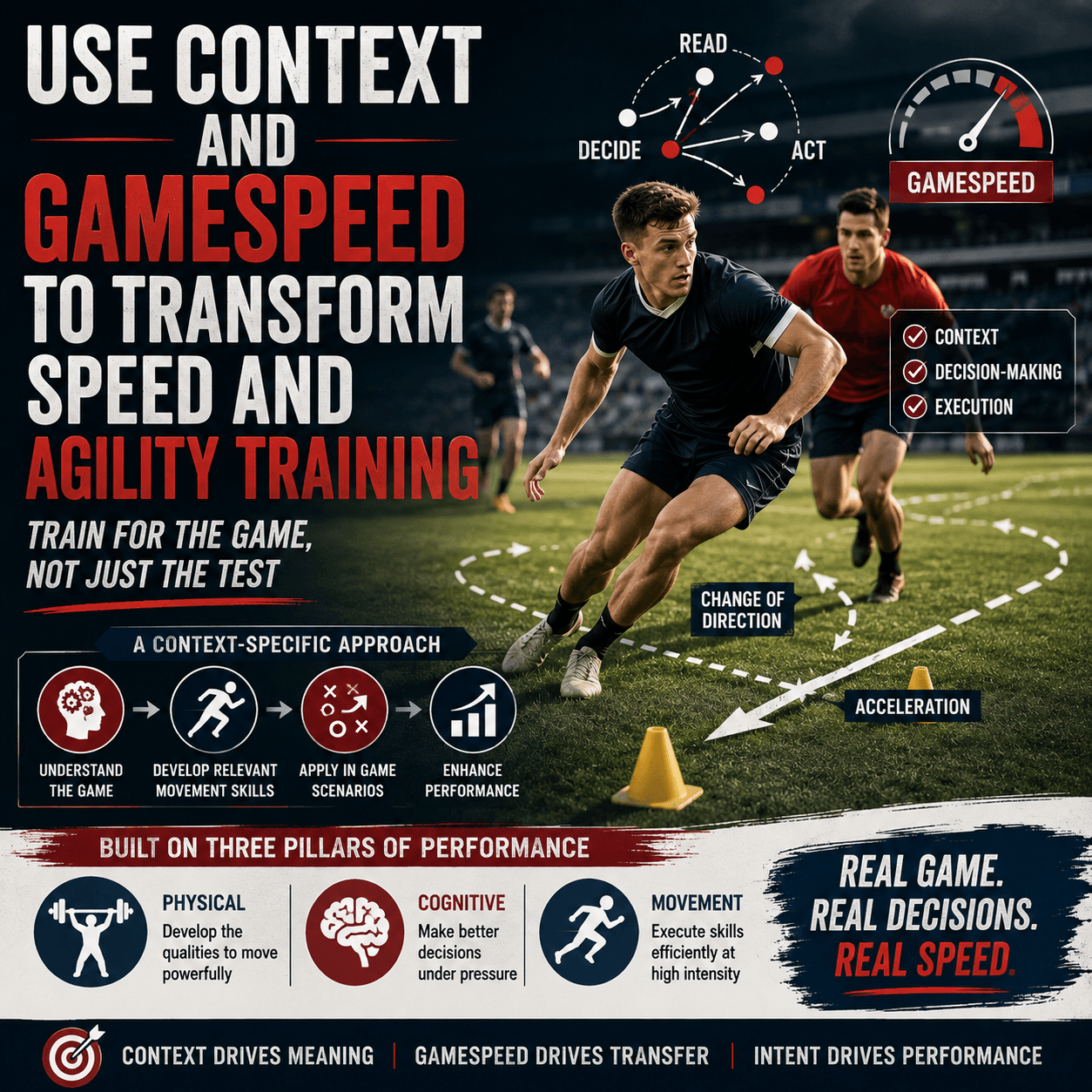
Use context and Gamespeed to transform speed and agility training
Discover how a gamespeed approach transforms speed and agility training by using context, decision-making and sport-specific movement to enhance performance.

Profile img
ARTICLE
PREMIUM
Professional Strength & Conditioning - Issue 67 - Winter 2022-23
Various
An action statement for Gaelic Games player development; The Importance of Diversity in S&C; Using Context and Gamespeed to transform Speed/Agility training.