Fuse logo
Logo image

UKSCA-IQ

Vast online library of videos, articles, podcasts, streamed presentations and eLearning modules


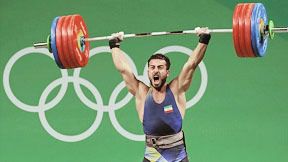
Who is strongest? Adjusting lifting performance for differences in body weight

01/06/2006
By Dan Cleather

Strength and conditioning coaches are often faced with the problem of comparing the relative strength of different athletes.


This content is available free to registered users

UKSCA-IQ

Join UKSCA-IQ to access this content
Sign In

If you have an existing UKSCA account

Additional resources


Profile img
ARTICLE
Lower-body resistance training immediately post-match play in elite soccer players: An applied narrative perspective for congested fixture schedules
Explores the rationale for immediate post-match lower-body resistance training in elite soccer during congested fixture schedules, examining recovery demands, strength maintenance, injury risk and applied programming strategies used within a UEFA Champions League environment.

Profile img
ARTICLE
Full FMS™ vs. Modified FMS™ Screening: A comparison of associations with independent athletic performance measures
Examination of full and modified FMS™ scores in football players, exploring links with sprint speed, jump performance and movement quality across sex, age and playing position.

Profile img
ARTICLE
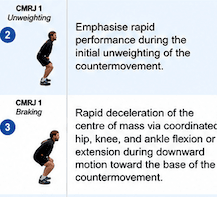
Countermovement rebound jump testing: Suggestions for coaches to optimise test utility
Learn how to implement and interpret the countermovement rebound jump (CMRJ) to assess slow and fast stretch-shortening cycle performance within a single, time-efficient test.

Profile img
ARTICLE
Test-Retest: Reliability of different jump tests using the output sports movement sensor
Explore the reliability of plyometrics and jump height testing using wearable technology, highlighting key insights into measurement error in youth athletes.

Profile img
ARTICLE
Developing Youth Motor Competence using a Physical Literacy Lens: The Carnegie Strength and Conditioning Academy Programme
An evidence-informed youth strength and conditioning programme using physical literacy and motor competence to enhance engagement and development in 11–14-year-olds.

Profile img
VIDEO
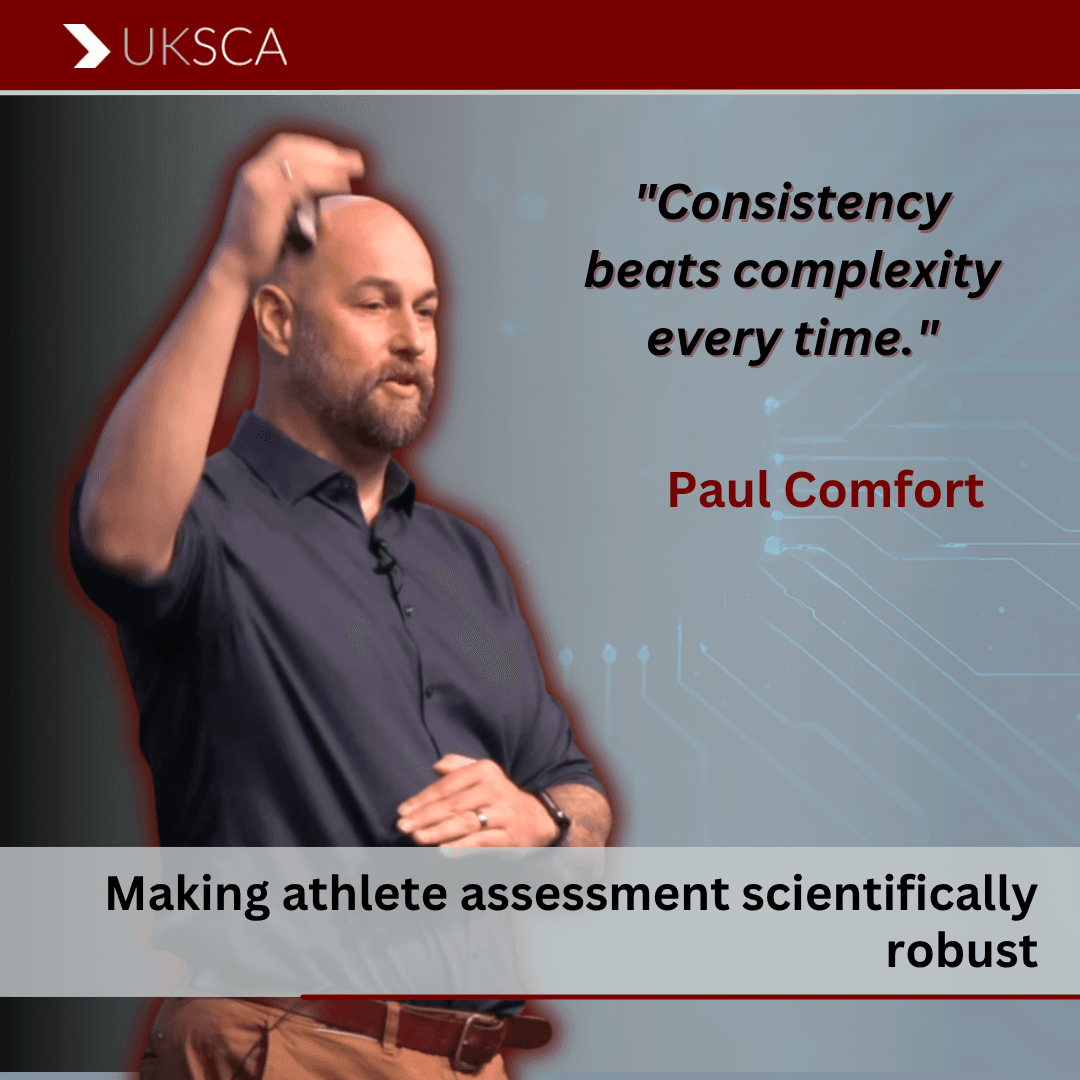
Making athlete assessment scientifically robust
Paul Comfort
Dr Paul Comfort explores force-plate testing, IMTP, CMJ and jump-height analysis for S&C coaches and sport scientists seeking better performance data.

Profile img
VIDEO
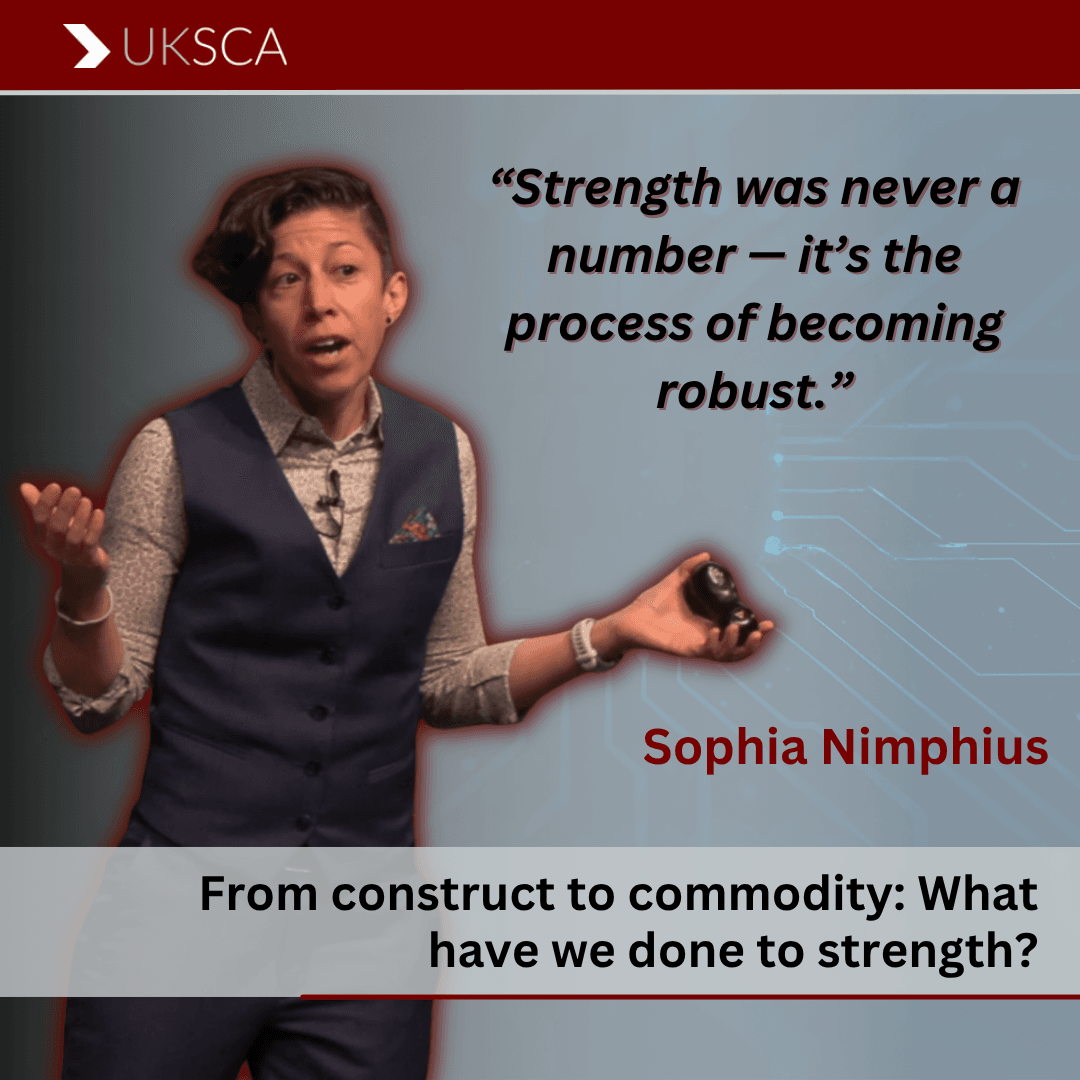
From construct to commodity: What have we done to strength?
Dr Sophia Nimphius
Dr Sophia Nimphius explores redefining strength as a process, not a number—insight for S&C coaches, sport scientists, and performance leaders.

Profile img
ARTICLE
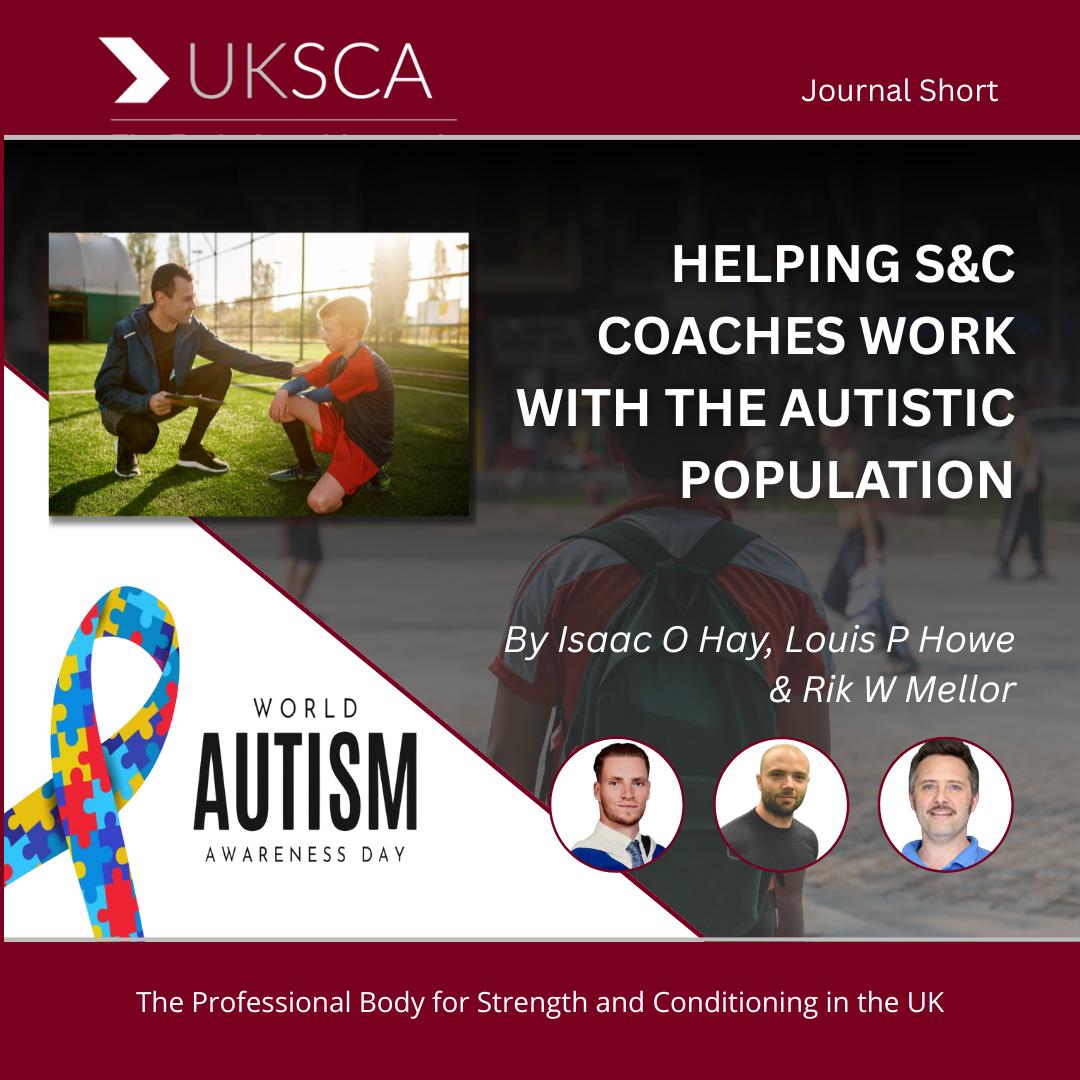
Journal short: Helping S&C coaches work with the autistic population
A short article on exploration and description of the autism spectrum disorder, with crucial information for S&C coaches, followed by a discussion of effective coaching strategies for working with the autistic population.

Profile img
ARTICLE
Evaluating strength and conditioning training techniques for autistic people
An in-depth exploration and description of the autism spectrum disorder, with crucial information for S&C coaches, followed by a discussion of effective coaching strategies for working with the autistic population.

Profile img
VIDEO
Levering data as a secret weapon in strength and conditioning
Shaun McLaren
Shaun McLaren's UKSCA 2024 presentation. Discover how data literacy is becoming an essential skill for S&C coaches and how leveraging data can enhance athletic performance. He shares his experiences with data handling, visualisation, and the shift towards a data-informed decision-making process.

Profile img
VIDEO
PREMIUM
Selecting metrics that matter
Chris Bishop
Dr. Chris Bishop delivered a thought-provoking session at the UKSCA 2024 Annual Conference, focusing on the practical application of jump testing as a tool for strength and conditioning professionals. He explored the selection of appropriate metrics, the importance of operational principles, and the utility of force plates for assessing athletic performance.

Profile img
ARTICLE
The Dynamic Strength Index: is this a useful tool when making programming decisions?
The dynamic strength index (DSI) has been proposed as a diagnostic approach to manage strength training - how effective is it?

Profile img
ARTICLE
Thoughts and perceptions of weight cutting in Olympic Weightlifters
Thomas Gee

Profile img
VIDEO
PREMIUM
Power In Rugby: From Gym to Field
Daniel Tobin
Dan Tobin, of Gloucester Rugby, session from the UKSCA's 2023 Conference examines theory and practice of 'power' training for elite rugby union players. Exploring ways to optimise gym based force-velocity qualities.

Profile img
ARTICLE
A systematic approach to movement screening: case report of a weightlifter
Louis Howe
This article aims to describe a systematic process used to screen an athlete with a predetermined movement deficiency limiting sporting performance.