Fuse logo
Logo image

UKSCA-IQ

Vast online library of videos, articles, podcasts, streamed presentations and eLearning modules


Getting out of neutral: the risks and rewards of lumbar spine flexion during lifting exercises

31/03/2021
By Louis Howe, Greg Lehman
Premium

This article discusses the risks and advantages for allowing moderate amounts of lumbar spine flexion during lifting exercises.


This premium content is only available with a UKSCA-IQ Premium subscription or UKSCA membership

UKSCA-IQ Premium

If you would like a UKSCA-IQ Premium subscription
Sign In

If you have an existing subscription or membership

Additional resources


Profile img
ARTICLE
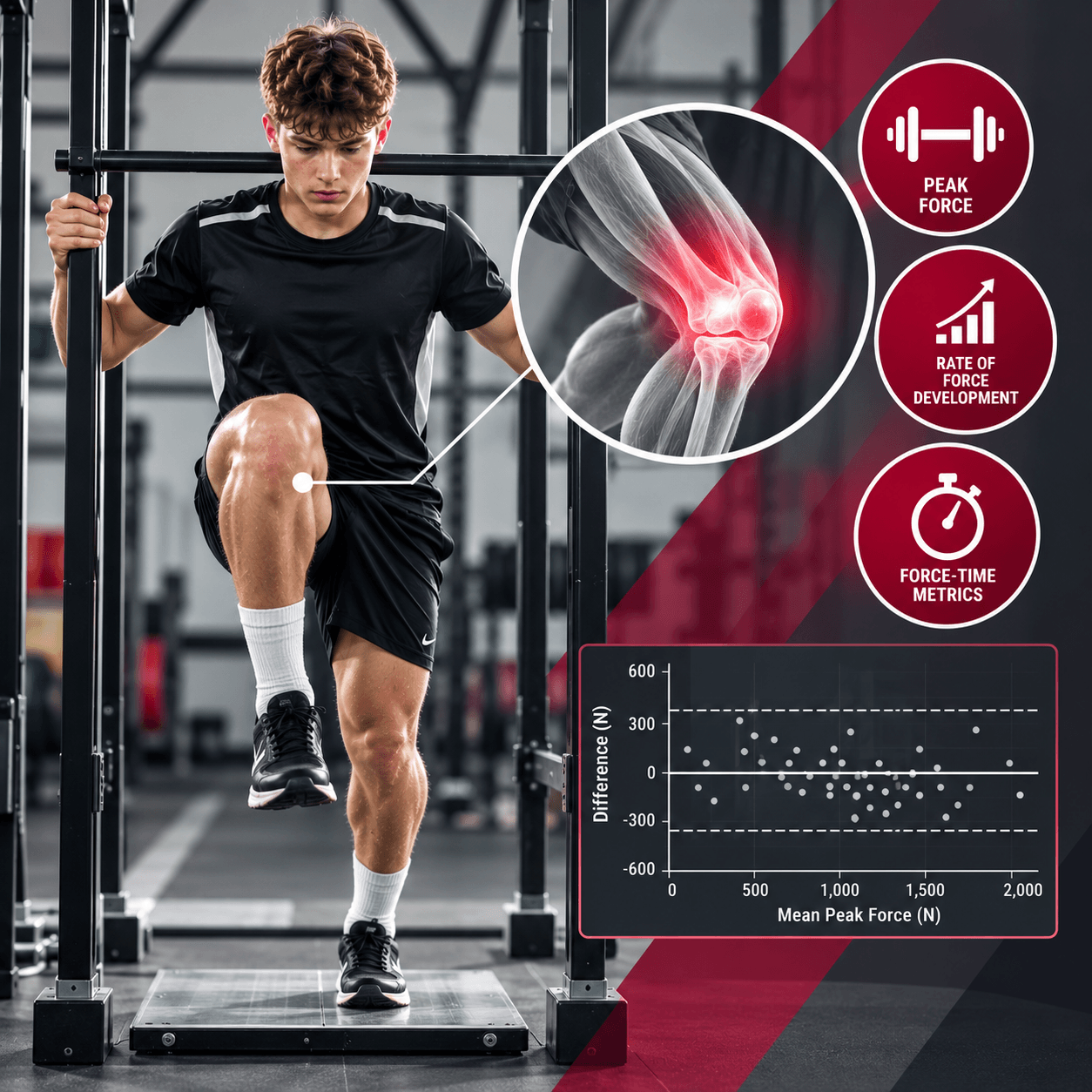
The Run-Specific Knee Isometric-Push Assessment: A Measurement Reliability Study in Adolescent Athletes.
Examines the measurement reliability of the run-specific knee isometric-push assessment for profiling force-time performance and injury-related asymmetries in adolescent athletes.

Profile img
ARTICLE
Development of an International Expert Consensus Framework for Criteria-Based Rehabilitation and Return to Performance Following Climbing injury
Presents an international expert consensus framework for criteria-based rehabilitation and return to performance following climbing injury, integrating physical capacity, climbing exposure and psychological readiness. Ehiogu

Profile img
ARTICLE
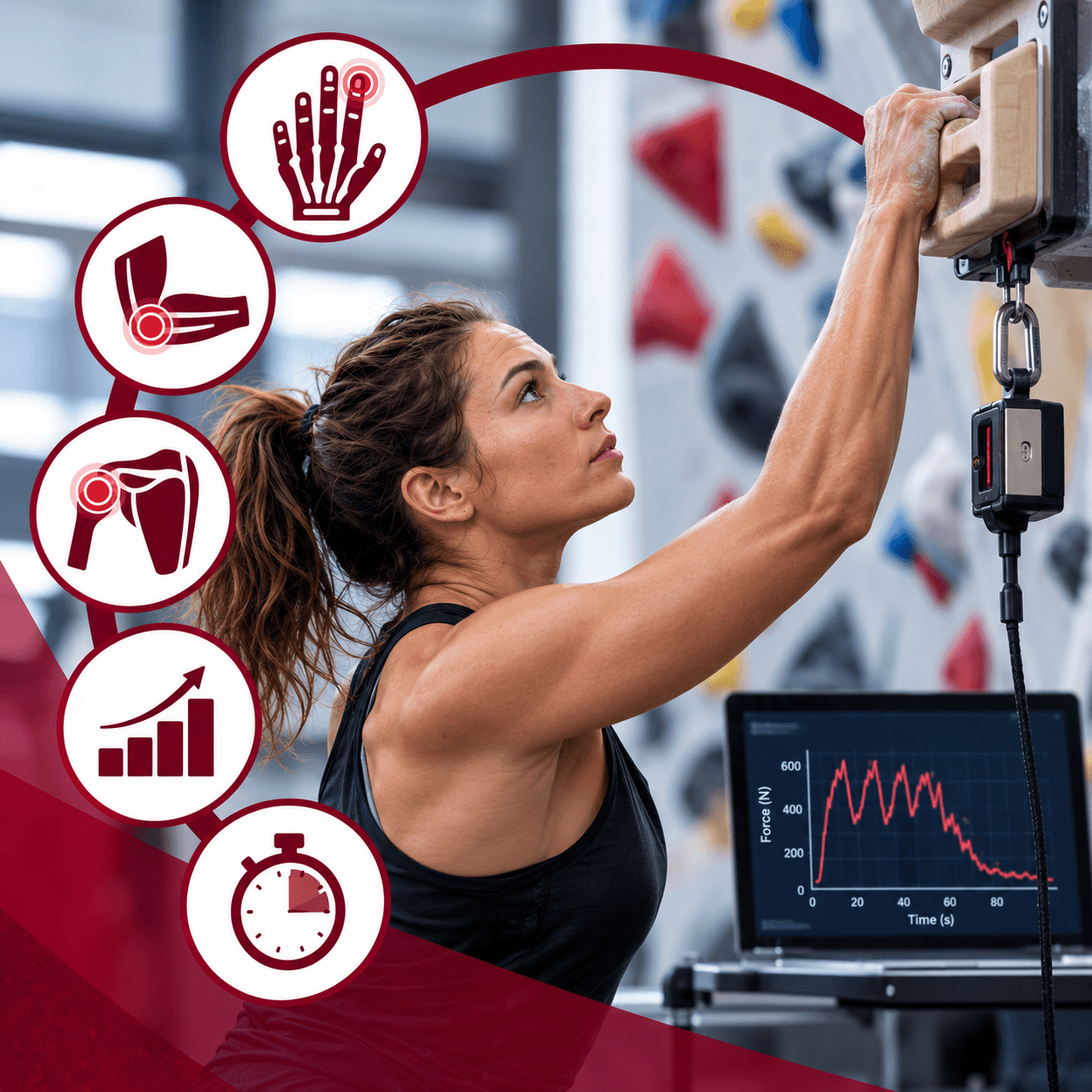
Reliability and Measurement Error of a Climbing-Specific Upper Extremity Testing Battery for Sports Rehabilitation and Performance Monitoring
Examines the reliability and measurement error of a climbing-specific upper-extremity testing battery for monitoring finger and shoulder strength and endurance during rehabilitation.

Profile img
ARTICLE
Return to climbing after musculoskeletal injury: A scoping review of rehabilitation content, outcome measures and return to sport criteria.
Reviews rehabilitation, outcome measures and return-to-climbing criteria following musculoskeletal injury, highlighting gaps in objective progression and return-to-performance guidance.

Profile img
ARTICLE
Lower-body resistance training immediately post-match play in elite soccer players: An applied narrative perspective for congested fixture schedules
Explores the rationale for immediate post-match lower-body resistance training in elite soccer during congested fixture schedules, examining recovery demands, strength maintenance, injury risk and applied programming strategies used within a UEFA Champions League environment.

Profile img
ARTICLE
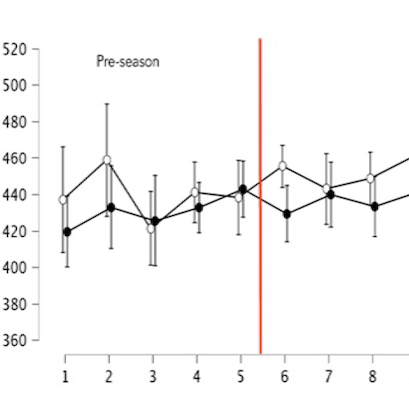
Longitudinal monitoring of eccentric hamstring strength during fixture congestion in professional football: No changes in force despite increased match frequency
Longitudinal study examining Nordic hamstring exercise performance during fixture congestion, highlighting eccentric strength stability, limb asymmetry, and implications for injury prevention in professional football.

Profile img
ARTICLE
Developing Youth Motor Competence using a Physical Literacy Lens: The Carnegie Strength and Conditioning Academy Programme
An evidence-informed youth strength and conditioning programme using physical literacy and motor competence to enhance engagement and development in 11–14-year-olds.

Profile img
VIDEO
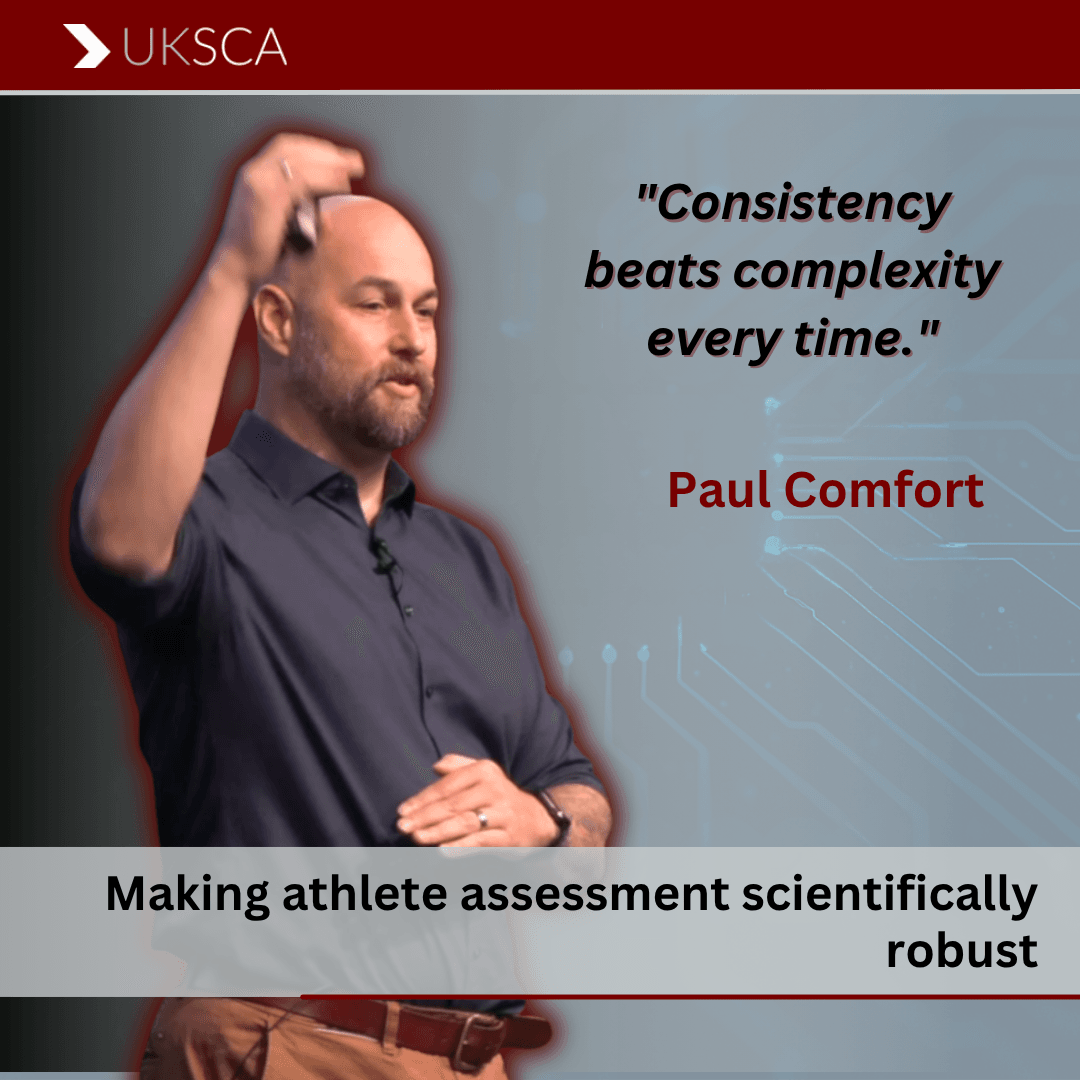
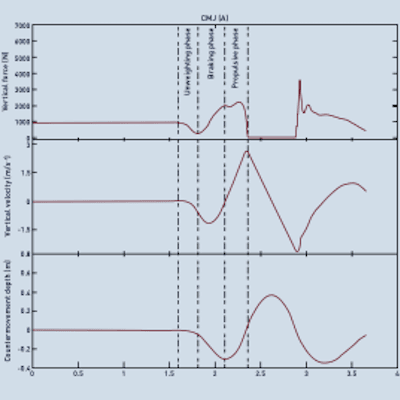
Making athlete assessment scientifically robust
Paul Comfort
Dr Paul Comfort explores force-plate testing, IMTP, CMJ and jump-height analysis for S&C coaches and sport scientists seeking better performance data.

Profile img
VIDEO
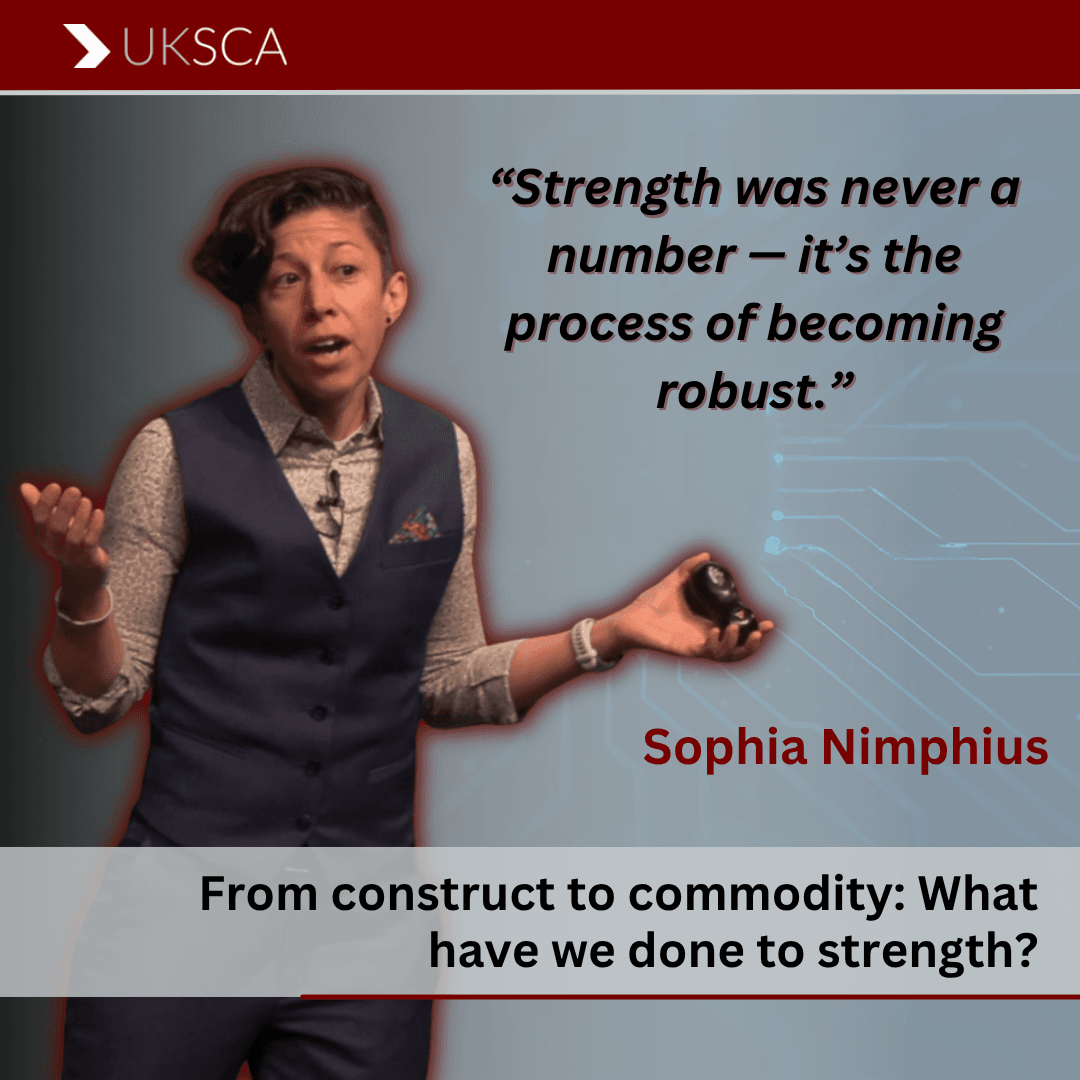
From construct to commodity: What have we done to strength?
Dr Sophia Nimphius
Dr Sophia Nimphius explores redefining strength as a process, not a number—insight for S&C coaches, sport scientists, and performance leaders.

Profile img
ARTICLE
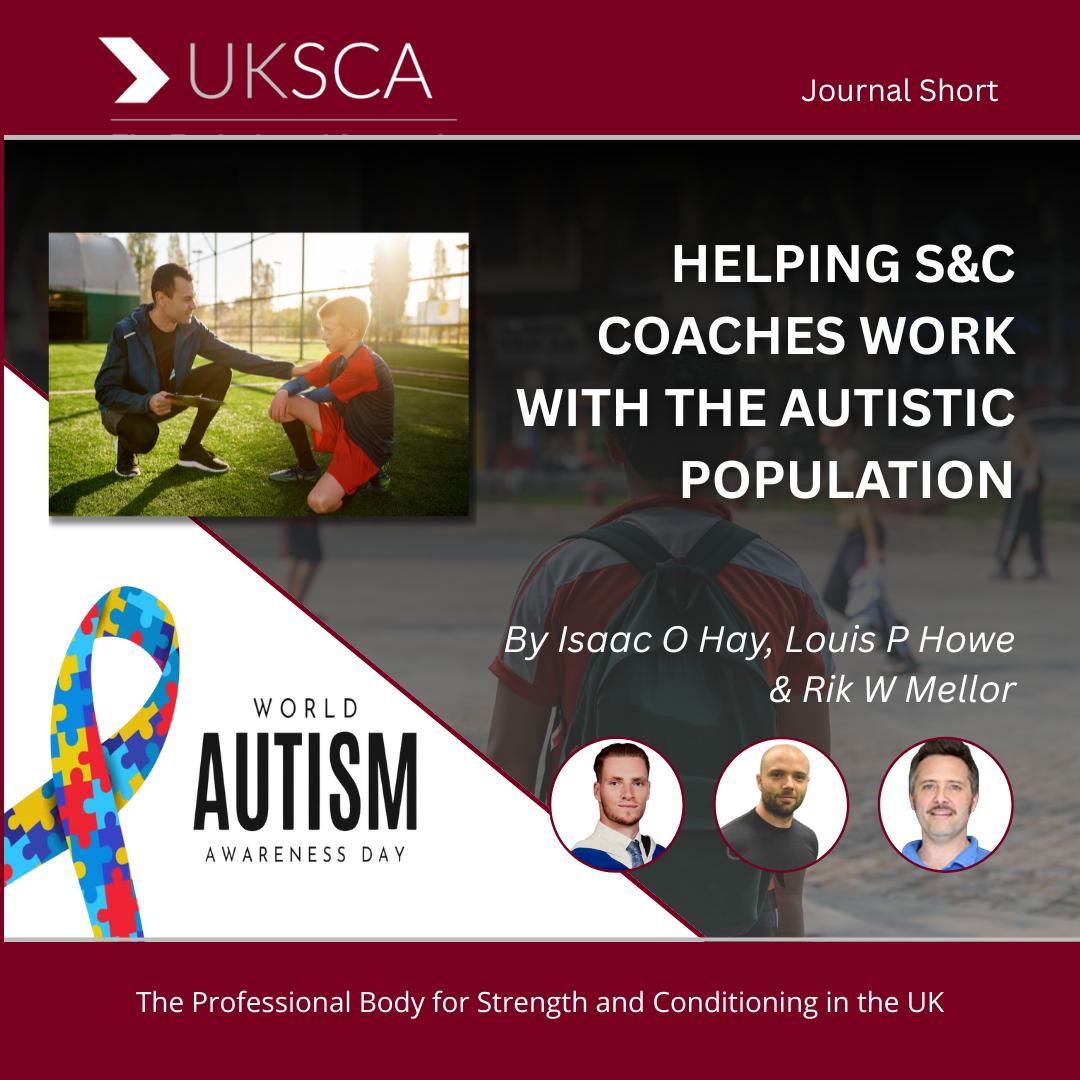
Journal short: Helping S&C coaches work with the autistic population
A short article on exploration and description of the autism spectrum disorder, with crucial information for S&C coaches, followed by a discussion of effective coaching strategies for working with the autistic population.

Profile img
ARTICLE
Evaluating strength and conditioning training techniques for autistic people
An in-depth exploration and description of the autism spectrum disorder, with crucial information for S&C coaches, followed by a discussion of effective coaching strategies for working with the autistic population.

Profile img
VIDEO
Understanding stability
Ulrik Sandstrom
Ulrik Sandstrom's UKSCA 2024 presentation delves into how neurological control directly influences injury prevention and performance, exploring fascinating case studies from elite athletes. Watch the full session to understand why control and stability are key to injury resilience.

Profile img
VIDEO
PREMIUM
Not another ACL talk!
Amy Arundale
Dr Amy Arundale, delivers a compelling presentation at the UKSCA 2024 Annual Conference on advances in ACL injury prevention and rehabilitation. Amy highlights the critical role of eccentric training, cognitive load, and a multi-disciplinary approach in modern recovery protocols. Her expertise in ACL prevention has provided practical and cutting-edge insights for coaches and practitioners alike.

Profile img
ARTICLE
The Dynamic Strength Index: is this a useful tool when making programming decisions?
The dynamic strength index (DSI) has been proposed as a diagnostic approach to manage strength training - how effective is it?

Profile img
ARTICLE
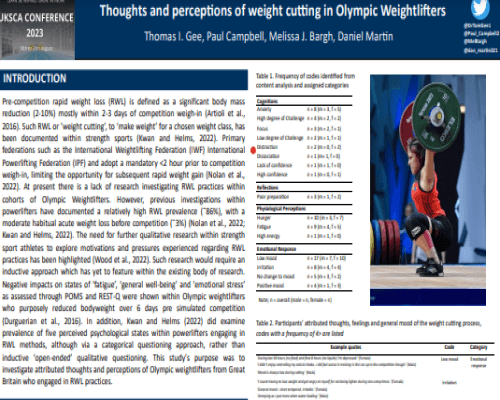
Thoughts and perceptions of weight cutting in Olympic Weightlifters
Thomas Gee