Fuse logo
Logo image

UKSCA-IQ

Vast online library of videos, articles, podcasts, streamed presentations and eLearning modules


Strength and conditioning for sprint hurdles

01/01/2013
By Paul Read

This article provides a sprint hurdles needs analysis relating to biomechanical and physiological aspects, injury considerations, suitability of fitness tests and training approaches.
This content is available free to registered users

UKSCA-IQ

Join UKSCA-IQ to access this content
Sign In

If you have an existing UKSCA account

Additional resources


Profile img
ARTICLE
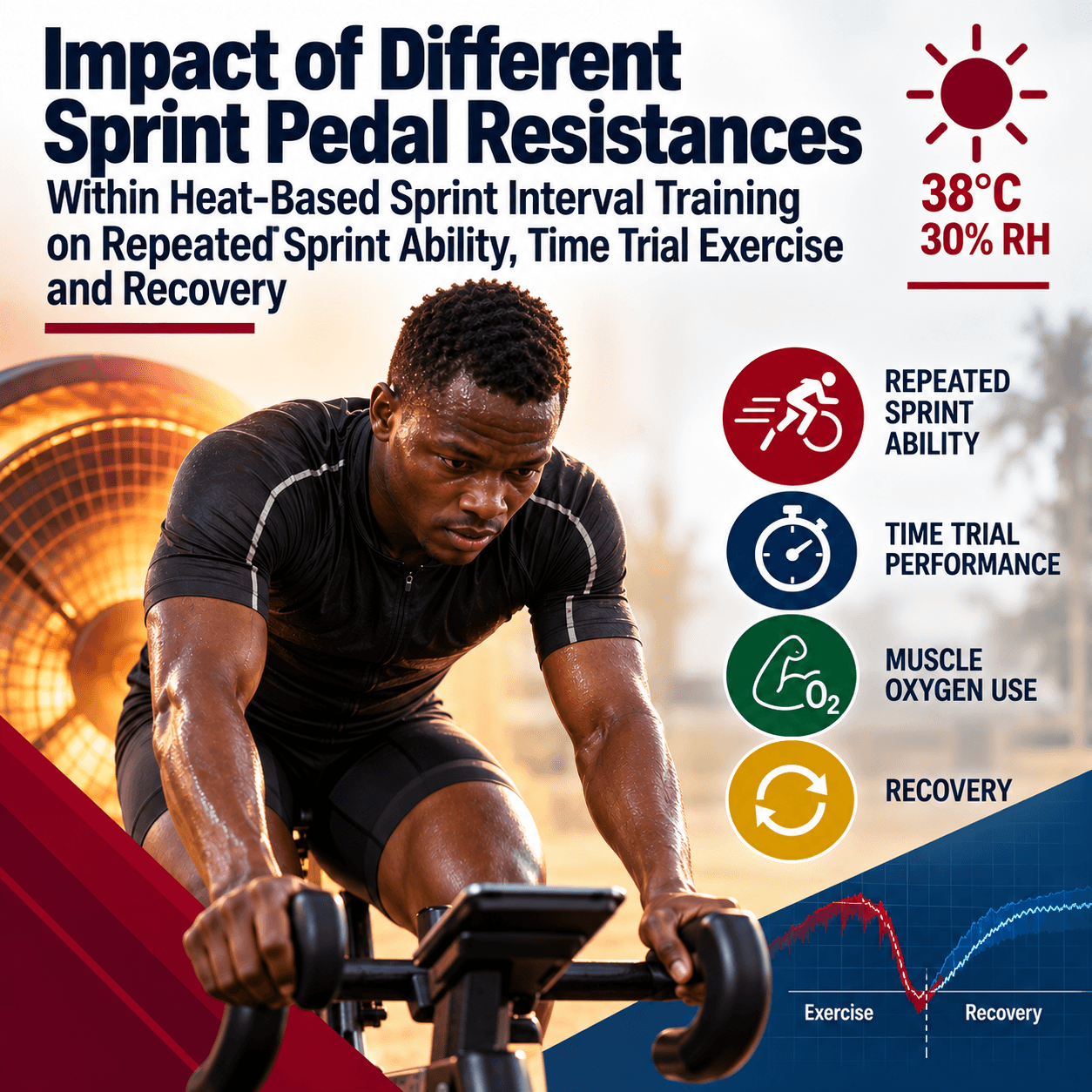
Impact of Different Sprint Pedal Resistances Within Heat-Based Sprint Interval Training on Repeated Sprint Ability, Time Trial Exercise and Recovery
Examining how different sprint pedal resistances during heat-based sprint interval training affect repeated sprint ability, cycling performance, muscle oxygen use and recovery.

Profile img
ARTICLE
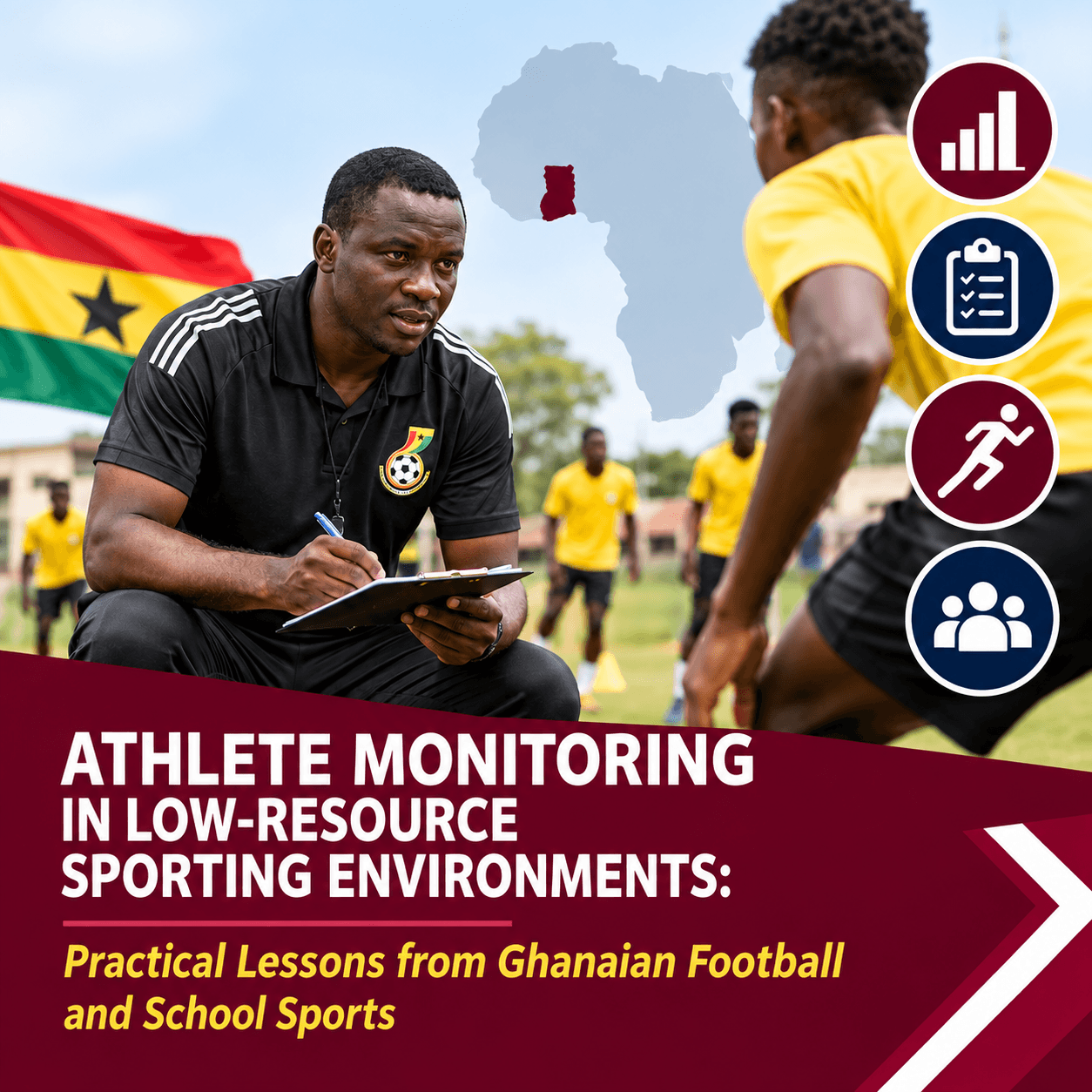
Athlete Monitoring Practices in Low-Resource Sporting Environments: Evidence from Ghanaian Football and School Sports
Athlete monitoring in low-resource sporting environments, exploring practical, sustainable methods used in Ghanaian football and school sports.

Profile img
ARTICLE
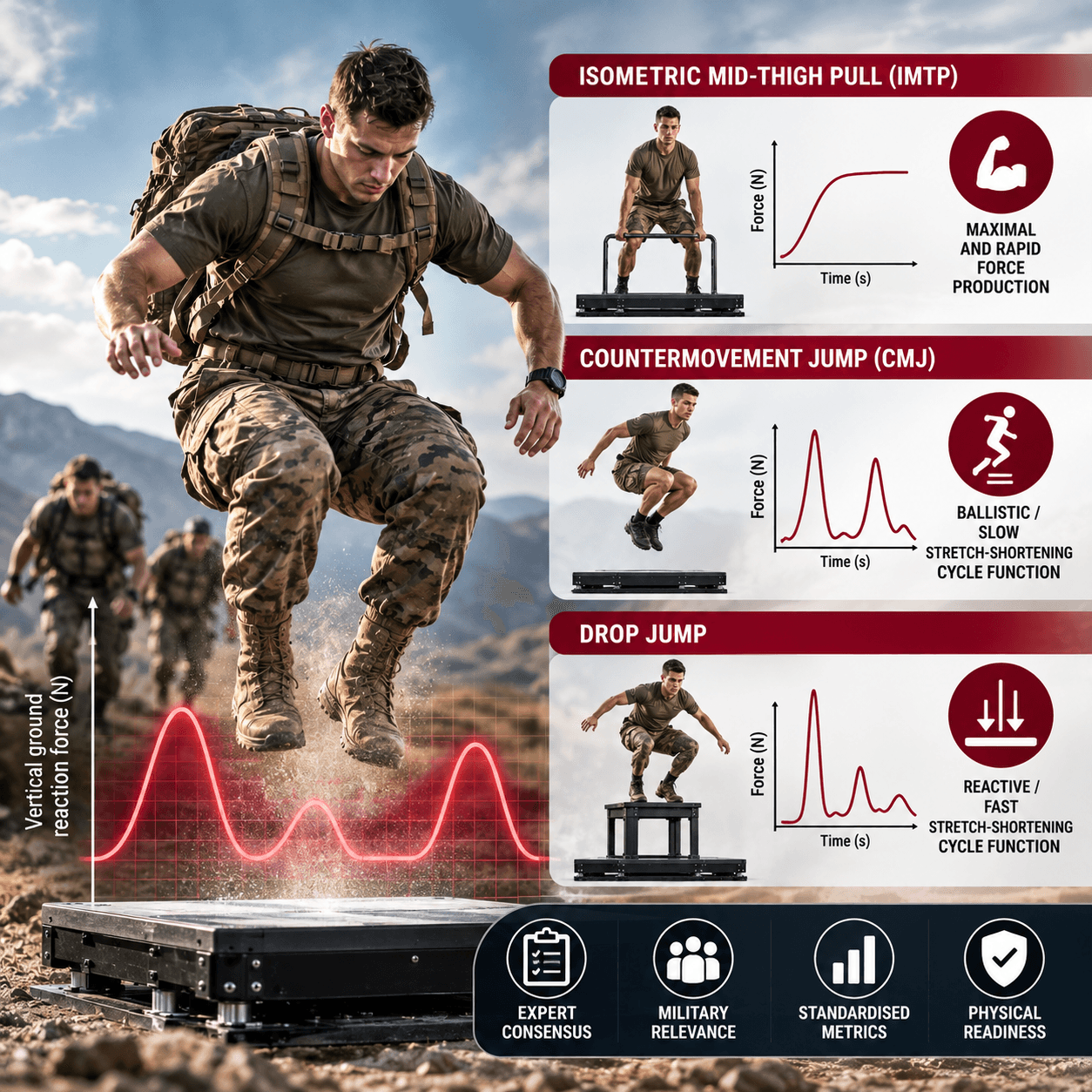
Force Plate Assessment Before Arduous Military Training: Expert-Informed Recommendations for Test and Metric Selection
Presents expert-informed recommendations for force plate testing before arduous military training, identifying IMTP, countermovement jump and drop jump measures for neuromuscular profiling and physical-readiness assessment.

Profile img
ARTICLE
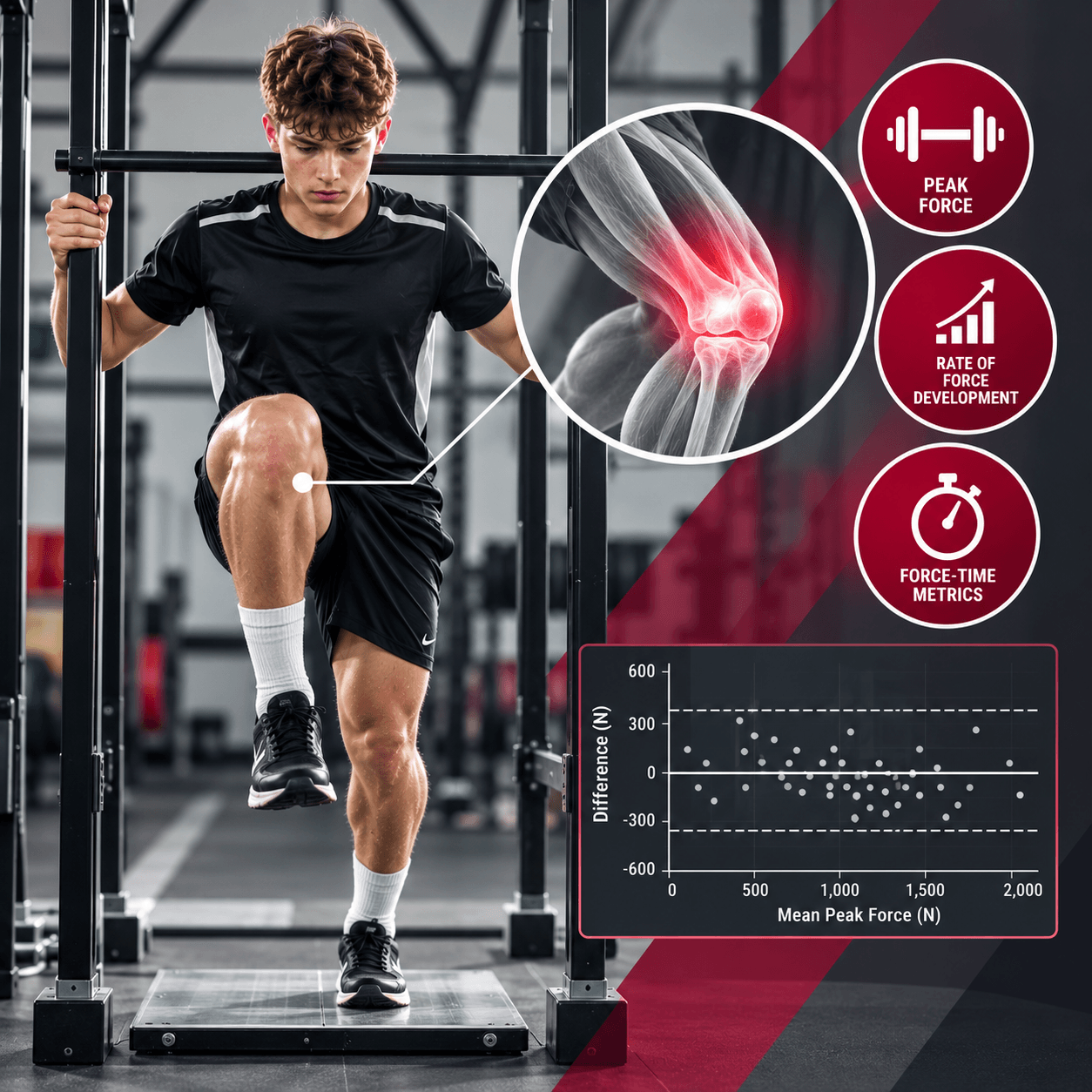
The Run-Specific Knee Isometric-Push Assessment: A Measurement Reliability Study in Adolescent Athletes.
Examines the measurement reliability of the run-specific knee isometric-push assessment for profiling force-time performance and injury-related asymmetries in adolescent athletes.

Profile img
ARTICLE
Development of an International Expert Consensus Framework for Criteria-Based Rehabilitation and Return to Performance Following Climbing injury
Presents an international expert consensus framework for criteria-based rehabilitation and return to performance following climbing injury, integrating physical capacity, climbing exposure and psychological readiness. Ehiogu

Profile img
ARTICLE
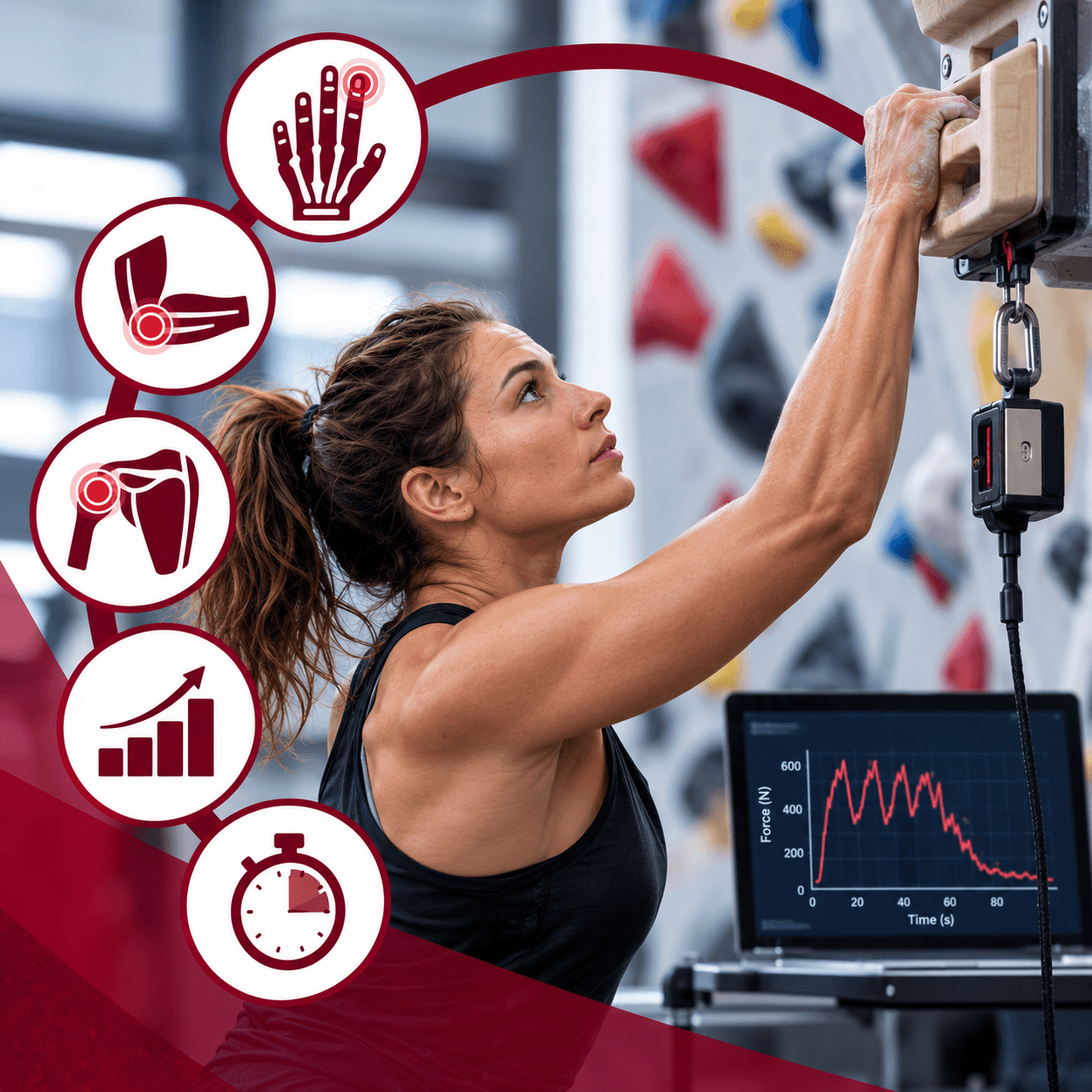
Reliability and Measurement Error of a Climbing-Specific Upper Extremity Testing Battery for Sports Rehabilitation and Performance Monitoring
Examines the reliability and measurement error of a climbing-specific upper-extremity testing battery for monitoring finger and shoulder strength and endurance during rehabilitation.

Profile img
ARTICLE
Return to climbing after musculoskeletal injury: A scoping review of rehabilitation content, outcome measures and return to sport criteria.
Reviews rehabilitation, outcome measures and return-to-climbing criteria following musculoskeletal injury, highlighting gaps in objective progression and return-to-performance guidance.

Profile img
ARTICLE
Lower-body resistance training immediately post-match play in elite soccer players: An applied narrative perspective for congested fixture schedules
Explores the rationale for immediate post-match lower-body resistance training in elite soccer during congested fixture schedules, examining recovery demands, strength maintenance, injury risk and applied programming strategies used within a UEFA Champions League environment.

Profile img
ARTICLE
Full FMS™ vs. Modified FMS™ Screening: A comparison of associations with independent athletic performance measures
Examination of full and modified FMS™ scores in football players, exploring links with sprint speed, jump performance and movement quality across sex, age and playing position.

Profile img
ARTICLE
Countermovement rebound jump testing: Suggestions for coaches to optimise test utility
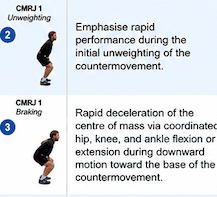
Learn how to implement and interpret the countermovement rebound jump (CMRJ) to assess slow and fast stretch-shortening cycle performance within a single, time-efficient test.

Profile img
ARTICLE
Strength training vs strength + micro-dosed swing speed training: A comparison of 6-week interventions in university male and female golfers
Comparison of strength training vs strength plus micro-dosed swing speed training in golf on clubhead speed, efficiency of strike / smash factor and physical capacity in university golfers.

Profile img
ARTICLE
Test-Retest: Reliability of different jump tests using the output sports movement sensor
Explore the reliability of plyometrics and jump height testing using wearable technology, highlighting key insights into measurement error in youth athletes.

Profile img
ARTICLE
Longitudinal monitoring of eccentric hamstring strength during fixture congestion in professional football: No changes in force despite increased match frequency
Longitudinal study examining Nordic hamstring exercise performance during fixture congestion, highlighting eccentric strength stability, limb asymmetry, and implications for injury prevention in professional football.

Profile img
ARTICLE
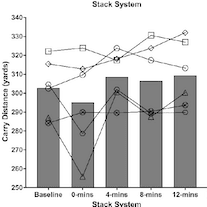
Swing speed training for golfers: An acute comparison of the stack system vs driver in NCAA Division 1 players
Explore how swing speed training impacts clubhead speed, ball velocity and carry distance in elite golfers, comparing driver vs speed stick protocols.

Profile img
ARTICLE
Developing Youth Motor Competence using a Physical Literacy Lens: The Carnegie Strength and Conditioning Academy Programme
An evidence-informed youth strength and conditioning programme using physical literacy and motor competence to enhance engagement and development in 11–14-year-olds.