Fuse logo
Logo image

UKSCA-IQ

Vast online library of videos, articles, podcasts, streamed presentations and eLearning modules


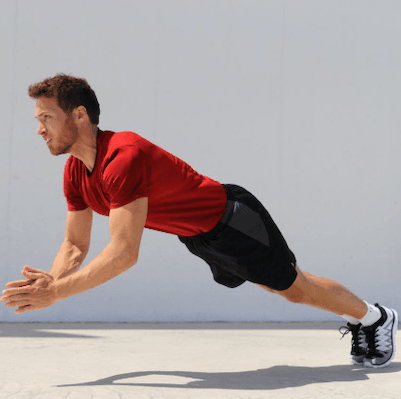
Exercise of the month - drop jump

01/02/2012
By James Hairsine

This article highlight the benefits of eccentrics in a training programme, and describes the physiological benefits of training with fast eccentrics, specifically the drop jump.
This content is available free to registered users

UKSCA-IQ

Join UKSCA-IQ to access this content
Sign In

If you have an existing UKSCA account

Additional resources


Profile img
ARTICLE
Strength training vs strength + micro-dosed swing speed training: A comparison of 6-week interventions in university male and female golfers
Comparison of strength training vs strength plus micro-dosed swing speed training in golf on clubhead speed, efficiency of strike / smash factor and physical capacity in university golfers.

Profile img
ARTICLE
Test-Retest: Reliability of different jump tests using the output sports movement sensor
Explore the reliability of plyometrics and jump height testing using wearable technology, highlighting key insights into measurement error in youth athletes.

Profile img
ARTICLE
Lower-body resistance training immediately post-match play in elite soccer players: An applied narrative perspective for congested fixture schedules
Explores the rationale for immediate post-match lower-body resistance training in elite soccer during congested fixture schedules, examining recovery demands, strength maintenance, injury risk and applied programming strategies used within a UEFA Champions League environment.

Profile img
ARTICLE
Full FMS™ vs. Modified FMS™ Screening: A comparison of associations with independent athletic performance measures
Examination of full and modified FMS™ scores in football players, exploring links with sprint speed, jump performance and movement quality across sex, age and playing position.

Profile img
ARTICLE
Developing Youth Motor Competence using a Physical Literacy Lens: The Carnegie Strength and Conditioning Academy Programme
An evidence-informed youth strength and conditioning programme using physical literacy and motor competence to enhance engagement and development in 11–14-year-olds.

Profile img
VIDEO
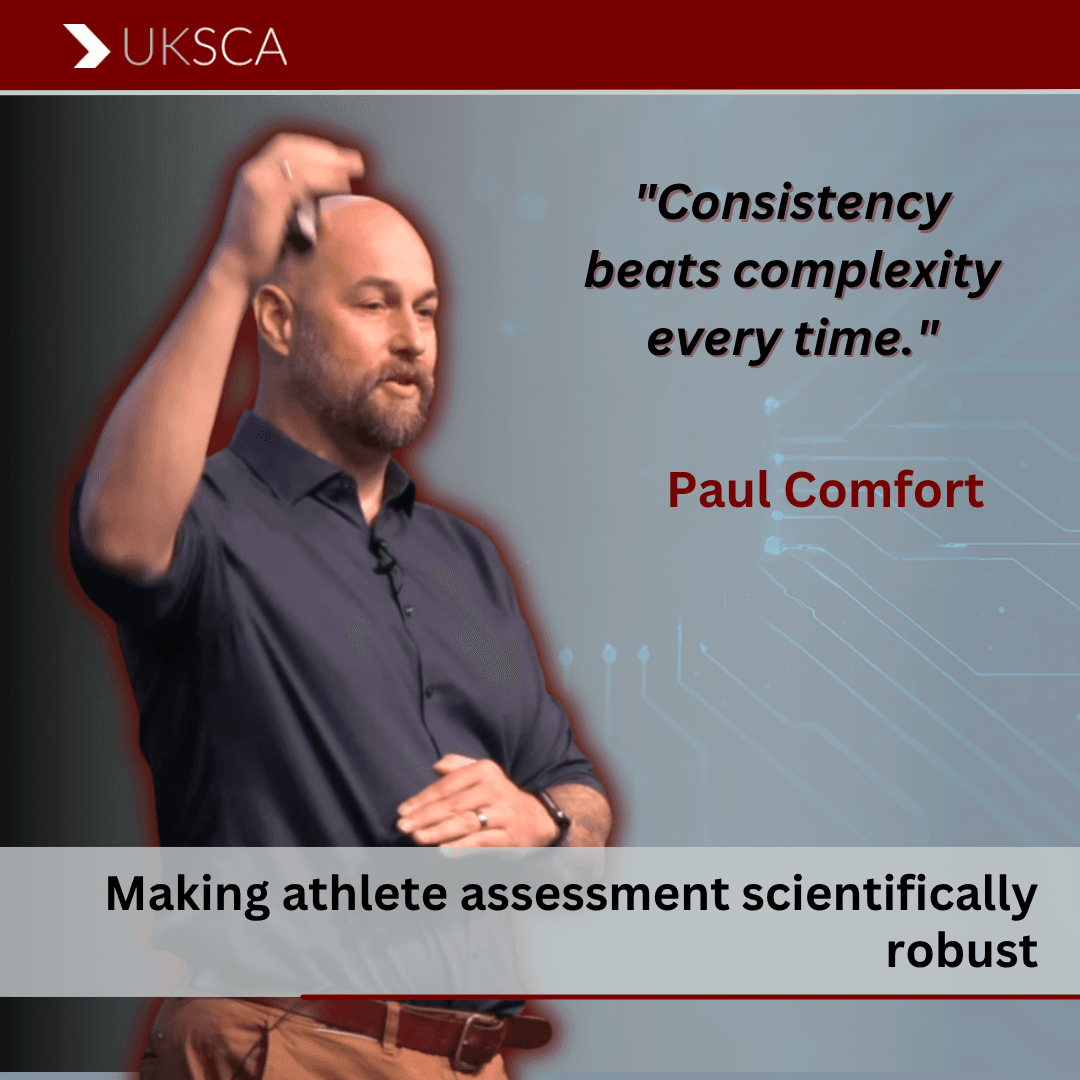
Making athlete assessment scientifically robust
Paul Comfort
Dr Paul Comfort explores force-plate testing, IMTP, CMJ and jump-height analysis for S&C coaches and sport scientists seeking better performance data.

Profile img
VIDEO
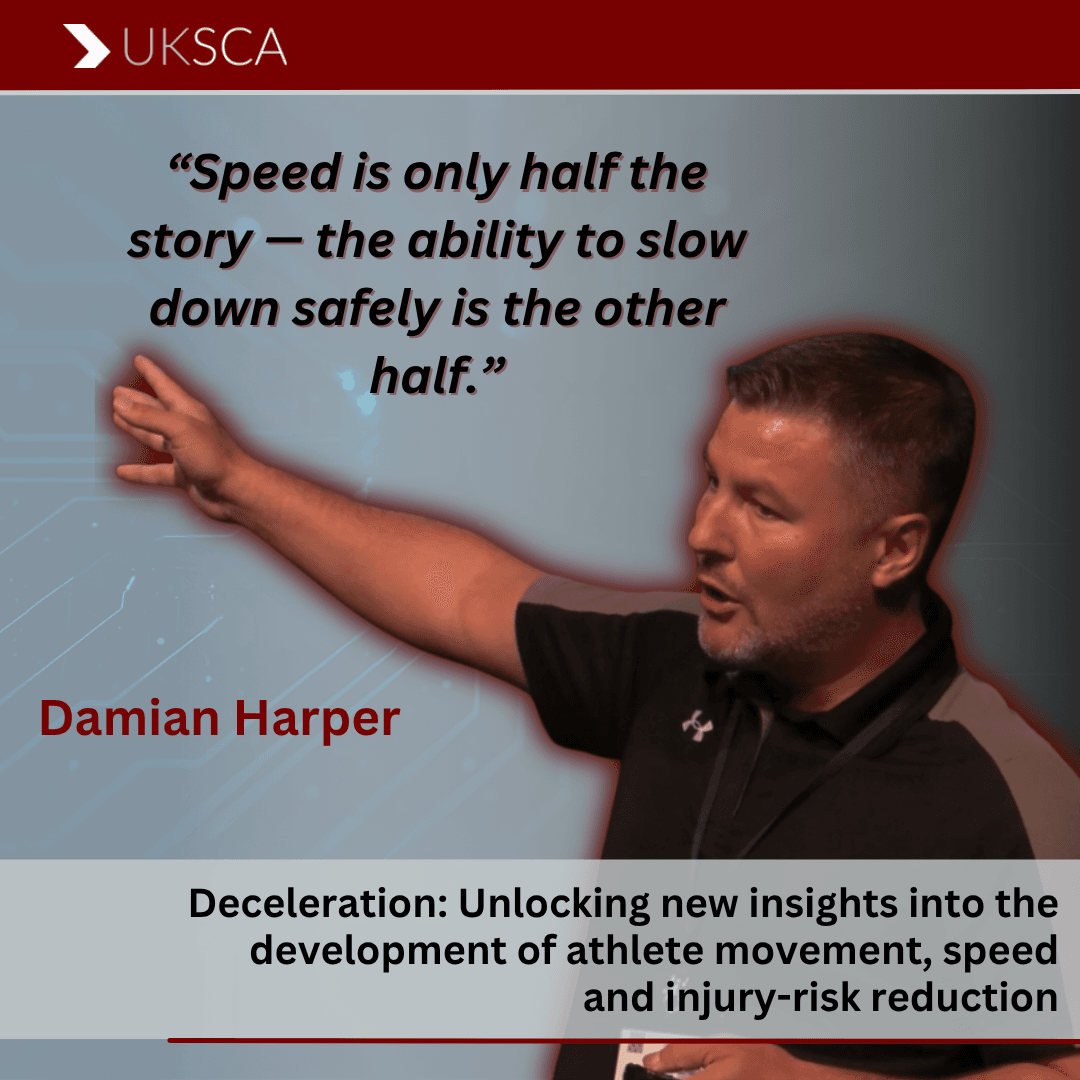
Deceleration: Unlocking new insights into the development of athlete movement, speed and injury-risk reduction
Damian Harper
UKSCA webinar exploring Damien Harper’s research on deceleration, ACL risk, change of direction, and braking training methods for S&C coaches

Profile img
VIDEO
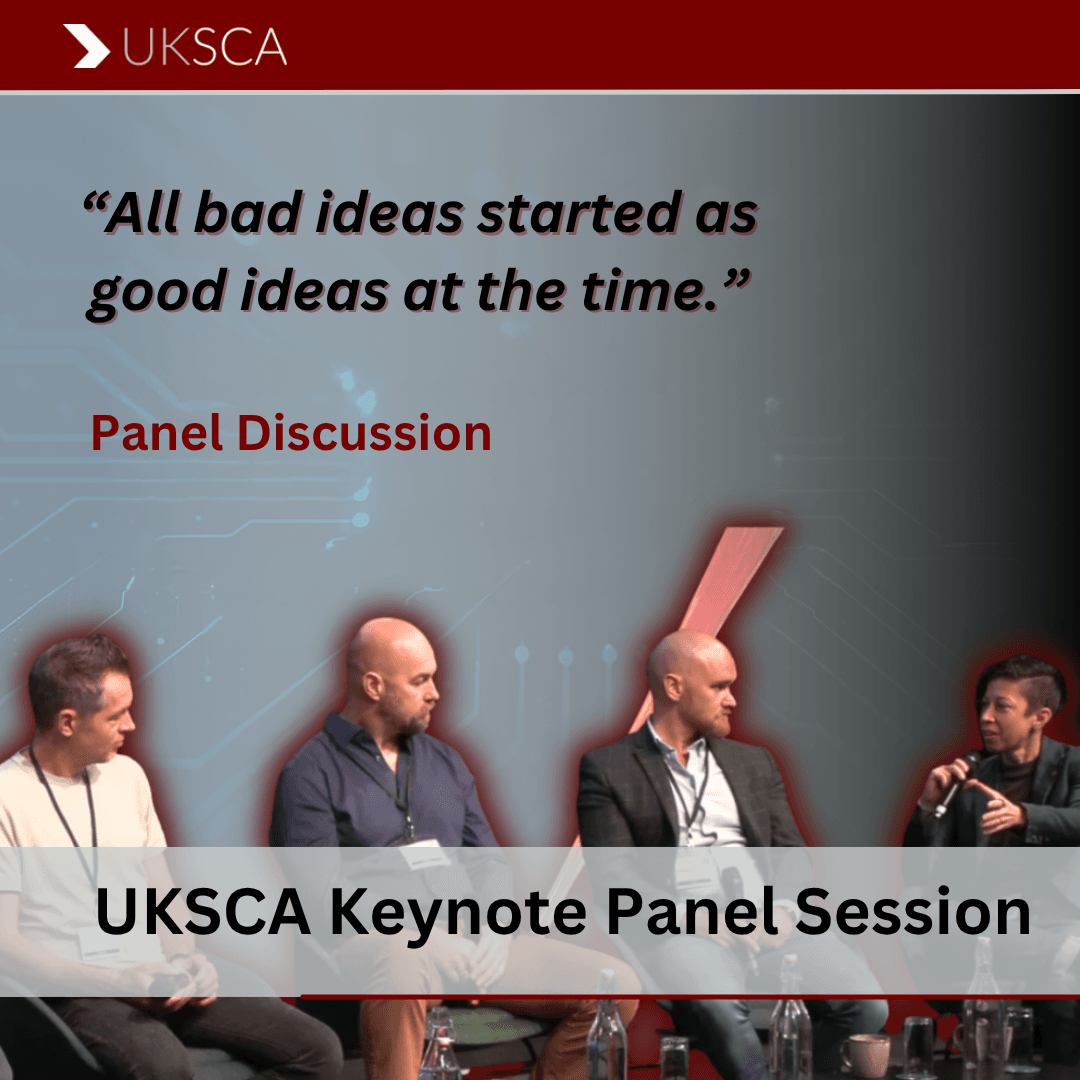
Technology, Data and the Coaching Craft — Finding the Sweet Spot
Andy Boyd leads a UKSCA panel on sports tech, data, and coaching practice for strength and conditioning coaches and sport scientists.

Profile img
VIDEO
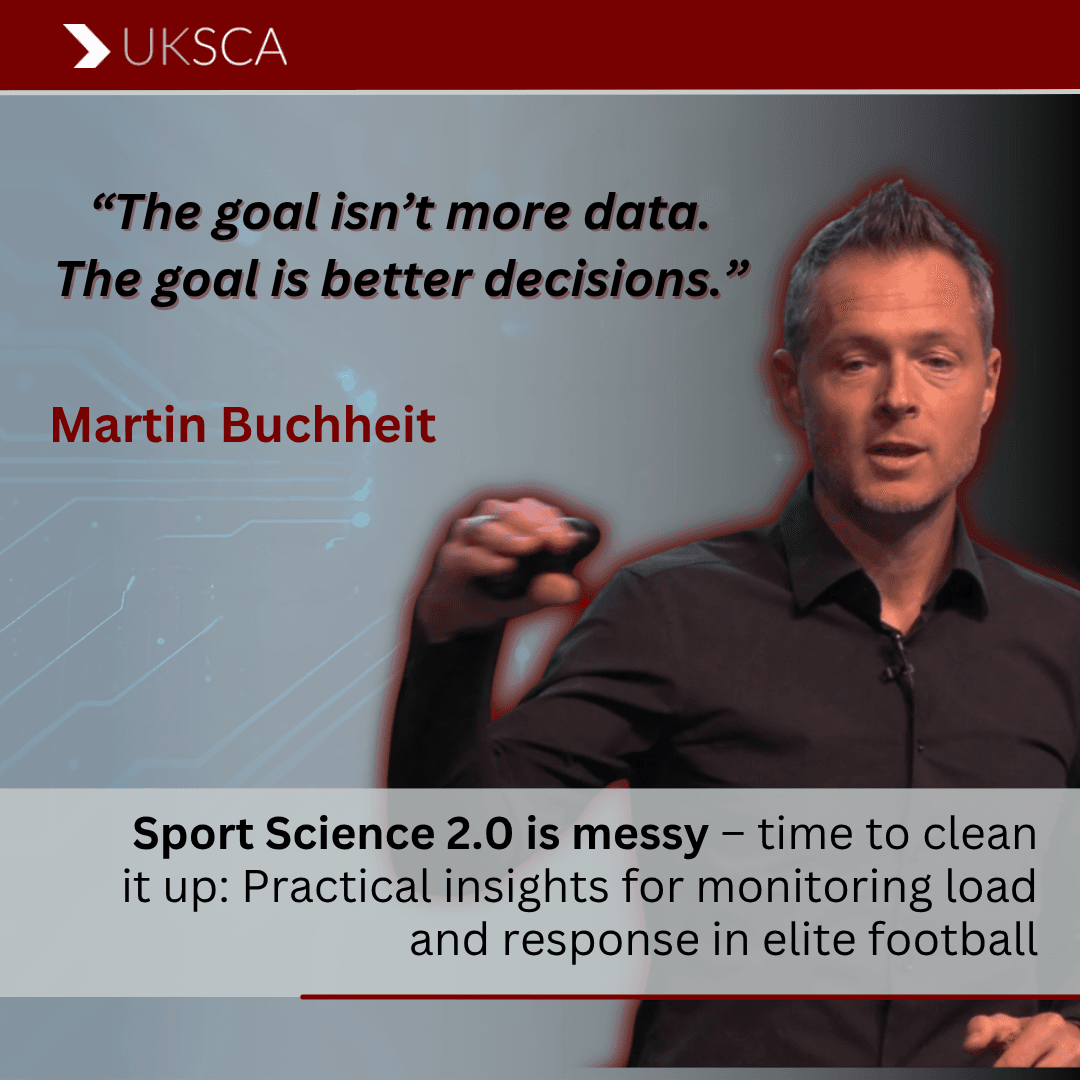
Sport science 2.0 is messy – time to clean it up: Practical insights for monitoring load and response in elite football
Martin Buchheit
Dr Martin Buchheit explores load–response monitoring, data-driven training, and performance adaptation for strength and conditioning coaches.

Profile img
VIDEO
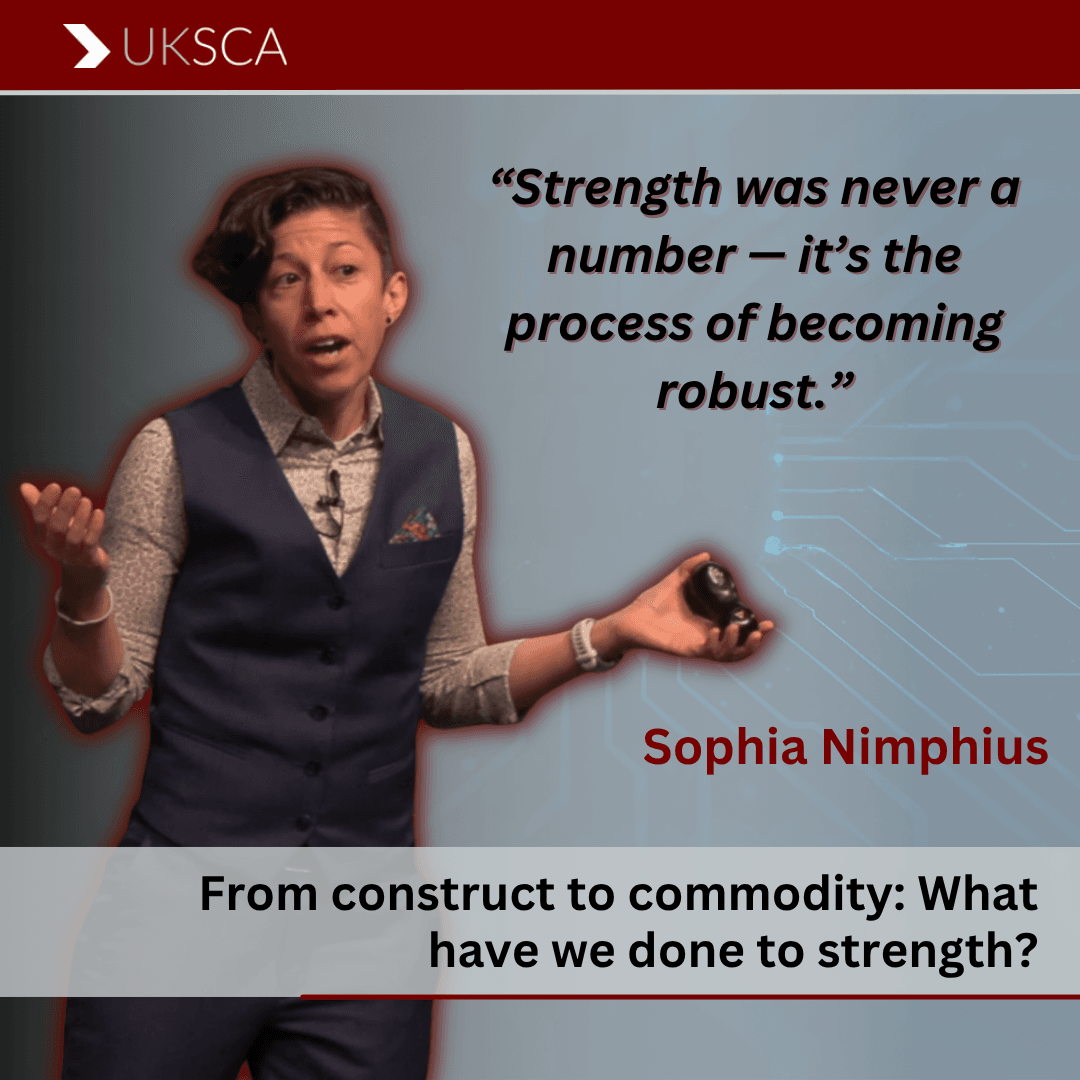
From construct to commodity: What have we done to strength?
Dr Sophia Nimphius
Dr Sophia Nimphius explores redefining strength as a process, not a number—insight for S&C coaches, sport scientists, and performance leaders.

Profile img
VIDEO
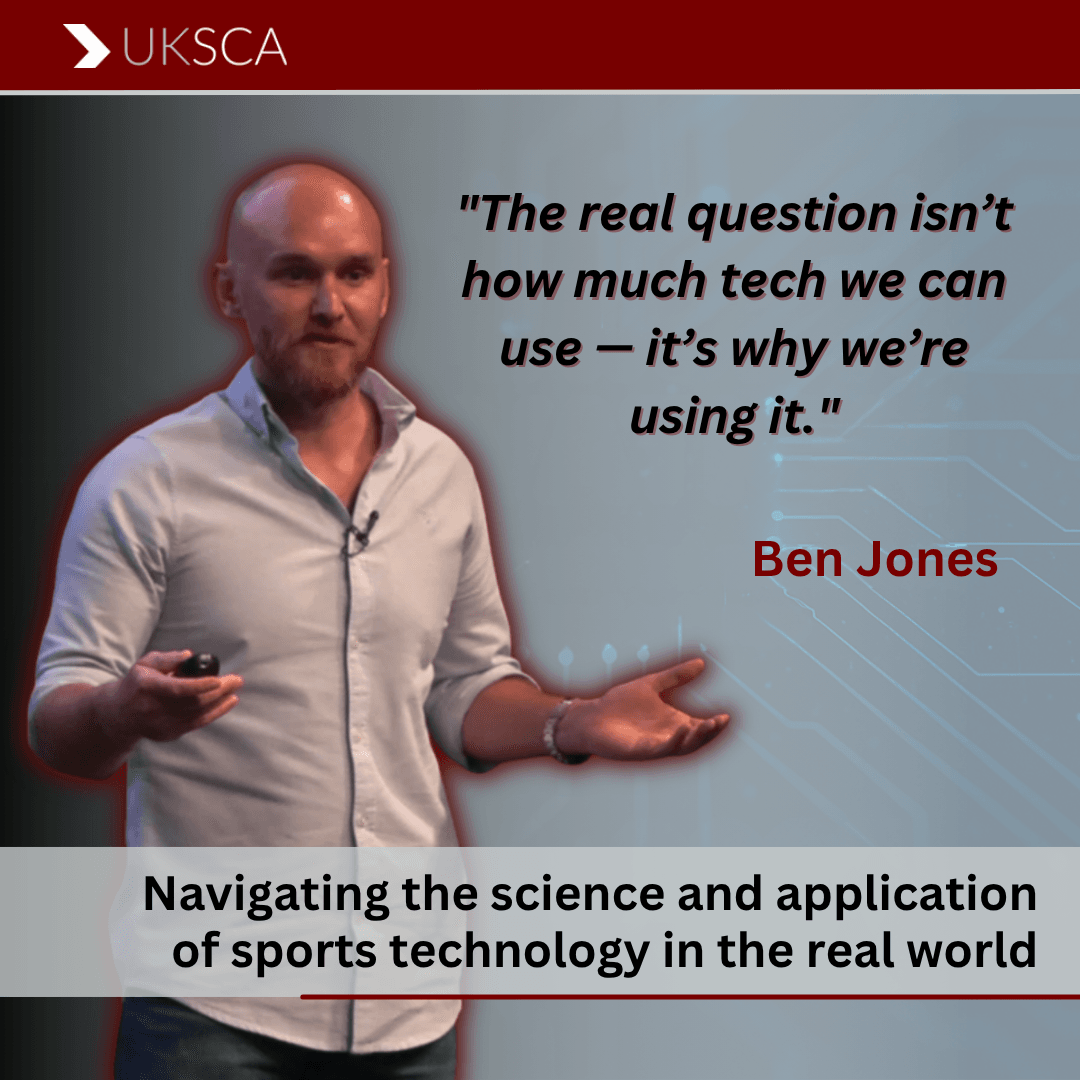
Navigating the science and application of sports technology in the real world
Ben Jones
Professor Ben Jones explores sports technology, performance data, injury prevention and coaching insights for strength and conditioning coaches and sport scientists.

Profile img
VIDEO
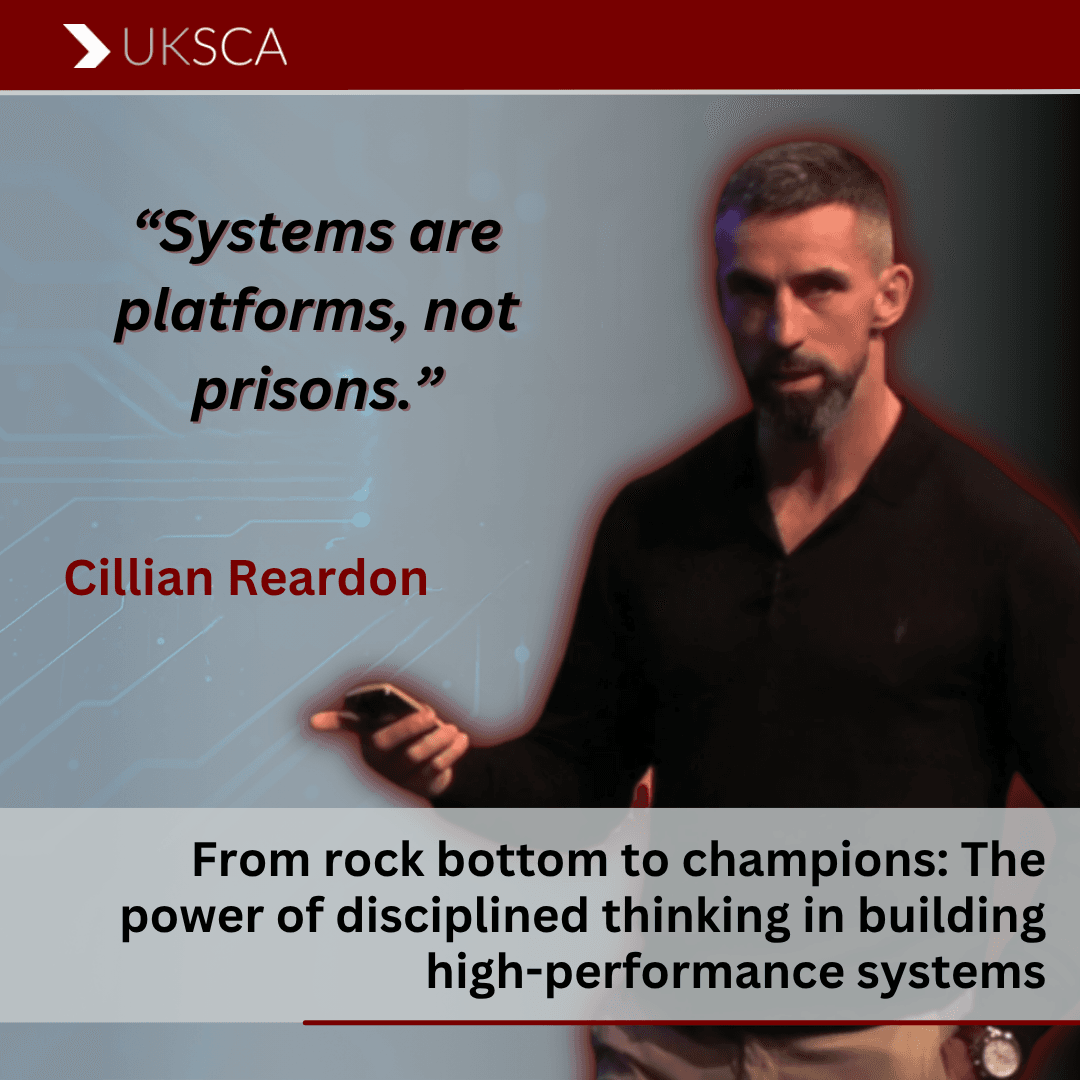
From rock bottom to champions: Disciplined thinking in building high-performance systems
Cillian Reardon
Cillian Reardon explores disciplined thinking, systems, and goal achievement in performance for strength and conditioning professionals.

Profile img
VIDEO
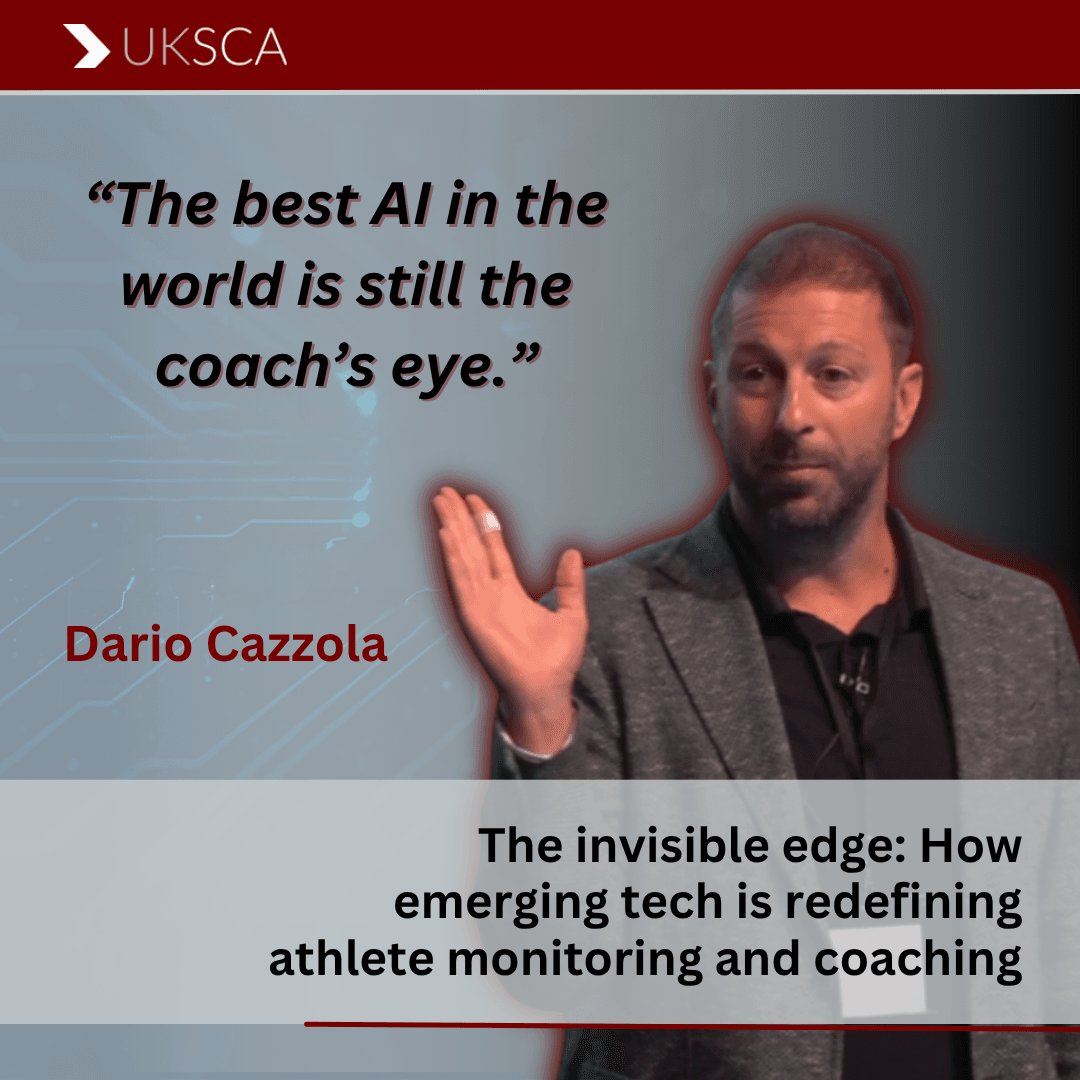
The invisible edge: How emerging tech is redefining athlete monitoring and coaching
Dario Cazzola
Dr Dario Cazzola, Associate Professor of Biomechanics at Bath, researches injury biomechanics and performance, specialising in cervical spine injuries in sport.

Profile img
ARTICLE
Understanding plyometrics: a coach’s guide
Clarity and guidance to improve practitioner application and understanding of plyometrics - adaptations, movement strategy, exercise prescription and exercise progressions.

Profile img
ARTICLE
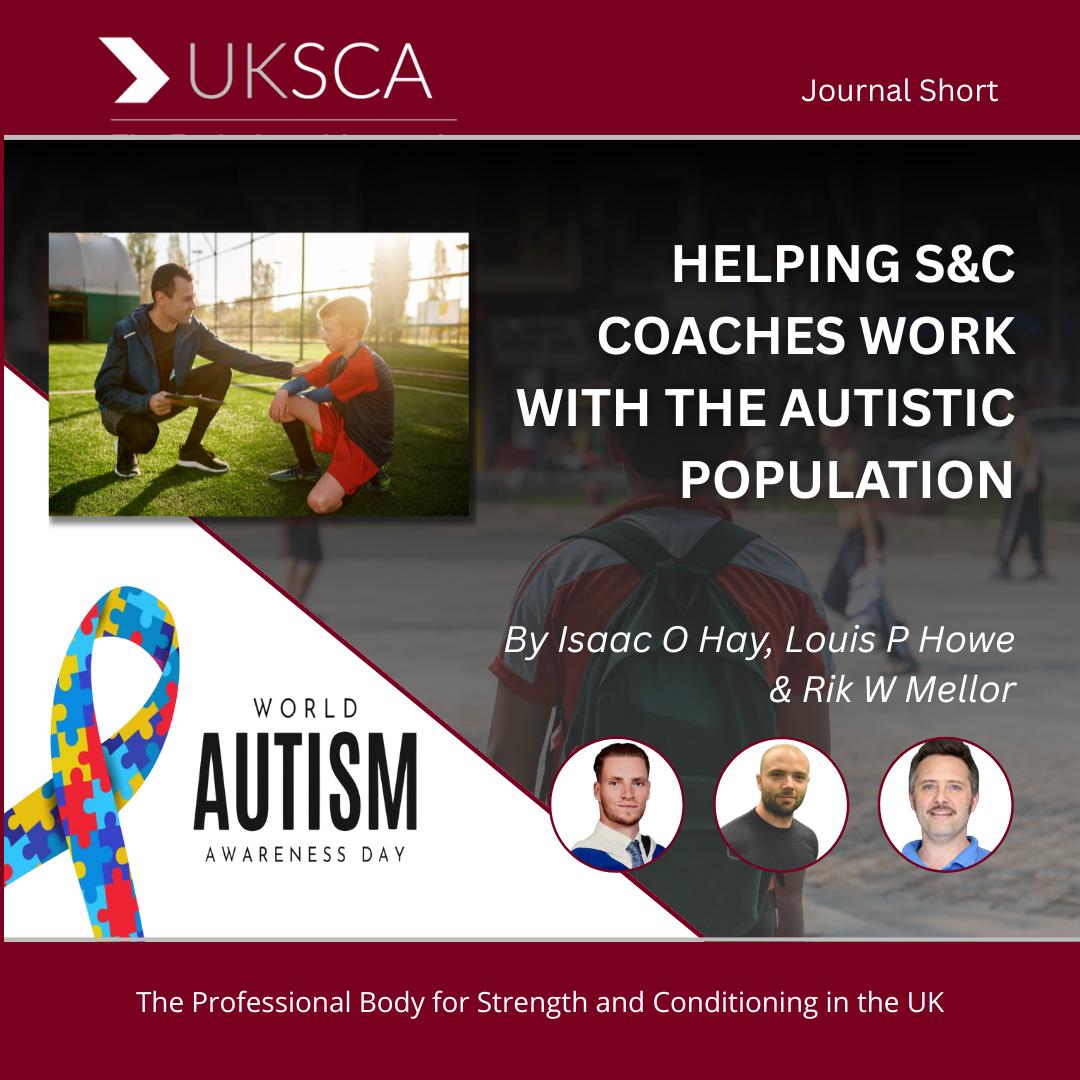
Journal short: Helping S&C coaches work with the autistic population
A short article on exploration and description of the autism spectrum disorder, with crucial information for S&C coaches, followed by a discussion of effective coaching strategies for working with the autistic population.