Fuse logo
Logo image

UKSCA-IQ

Vast online library of videos, articles, podcasts, streamed presentations and eLearning modules


The effect of isometric and plyometric exercise on musculotendinous ankle stiffness and its subsequent effect on performance in elite sprint track cycling

16/06/2019
By Dan McPartlan

Maximal power applied to the pedal is a key indicator of performance in sprint track cycling. The ankle has a meaningful contribution of transferring power from the hip and knee. However, the ability of the musculotendinous unit around the ankle to directly produce power through the mechanism of the stretch shortening cycle (SSC) is unknown. The aim of this study was to measure the influence of isometric and plyometric training on ankle stiffness and its subsequent effect on sprint track cycling performance.
This content is available free to registered users

UKSCA-IQ

Join UKSCA-IQ to access this content
Sign In

If you have an existing UKSCA account

Additional resources


Profile img
ARTICLE
Strength training vs strength + micro-dosed swing speed training: A comparison of 6-week interventions in university male and female golfers
Comparison of strength training vs strength plus micro-dosed swing speed training in golf on clubhead speed, efficiency of strike / smash factor and physical capacity in university golfers.

Profile img
ARTICLE
Full FMS™ vs. Modified FMS™ Screening: A comparison of associations with independent athletic performance measures
Examination of full and modified FMS™ scores in football players, exploring links with sprint speed, jump performance and movement quality across sex, age and playing position.

Profile img
ARTICLE
Lower-body resistance training immediately post-match play in elite soccer players: An applied narrative perspective for congested fixture schedules
Explores the rationale for immediate post-match lower-body resistance training in elite soccer during congested fixture schedules, examining recovery demands, strength maintenance, injury risk and applied programming strategies used within a UEFA Champions League environment.

Profile img
ARTICLE
Test-Retest: Reliability of different jump tests using the output sports movement sensor
Explore the reliability of plyometrics and jump height testing using wearable technology, highlighting key insights into measurement error in youth athletes.

Profile img
ARTICLE
Longitudinal monitoring of eccentric hamstring strength during fixture congestion in professional football: No changes in force despite increased match frequency
Longitudinal study examining Nordic hamstring exercise performance during fixture congestion, highlighting eccentric strength stability, limb asymmetry, and implications for injury prevention in professional football.

Profile img
ARTICLE
Swing speed training for golfers: An acute comparison of the stack system vs driver in NCAA Division 1 players
Explore how swing speed training impacts clubhead speed, ball velocity and carry distance in elite golfers, comparing driver vs speed stick protocols.

Profile img
ARTICLE
Associations of maximal driver club head speed in elite male and female golfers
Associations between maximal muscle strength, power and driver club head speed in elite male and female golfers, with practical training insights.

Profile img
VIDEO
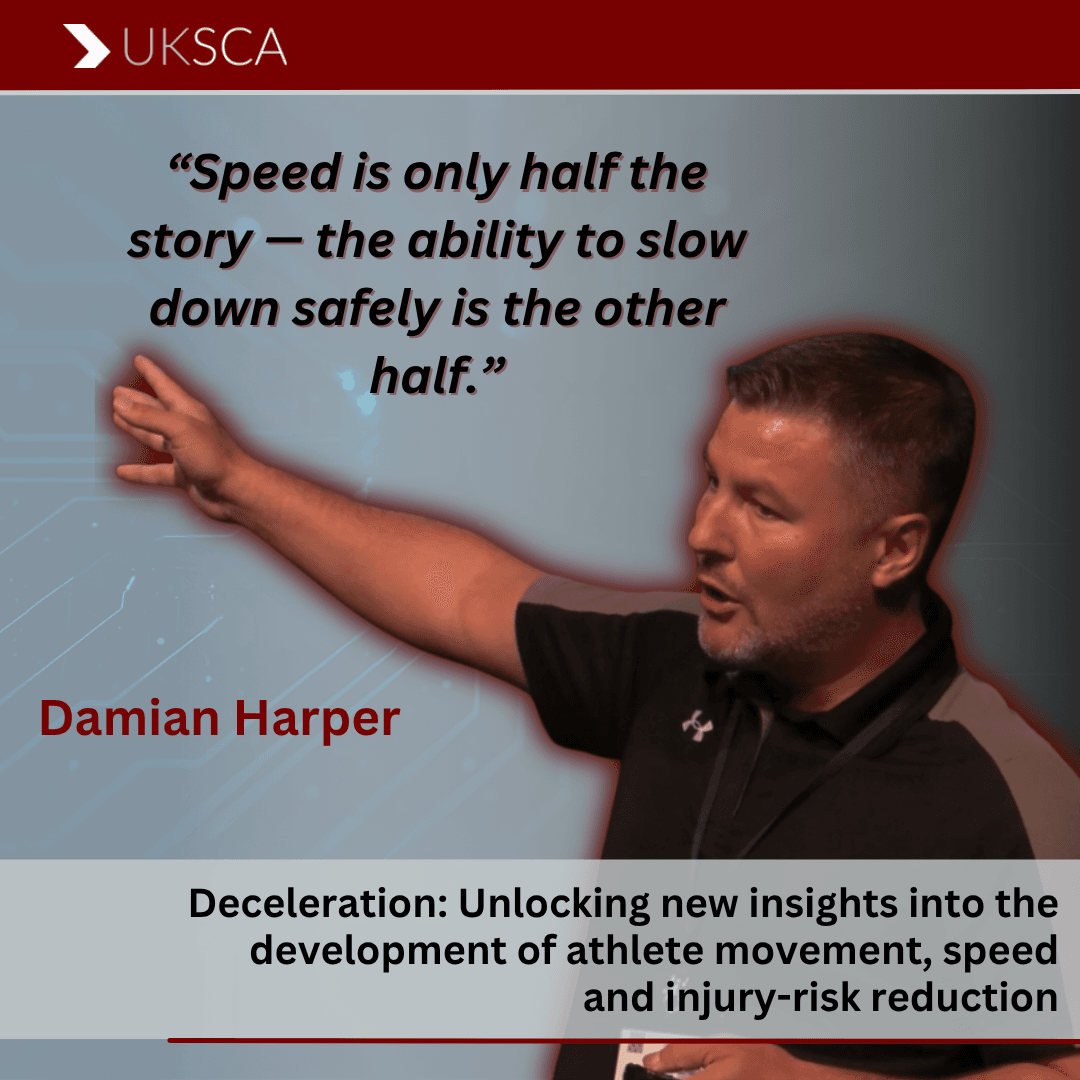
Deceleration: Unlocking new insights into the development of athlete movement, speed and injury-risk reduction
Damian Harper
UKSCA webinar exploring Damien Harper’s research on deceleration, ACL risk, change of direction, and braking training methods for S&C coaches

Profile img
VIDEO
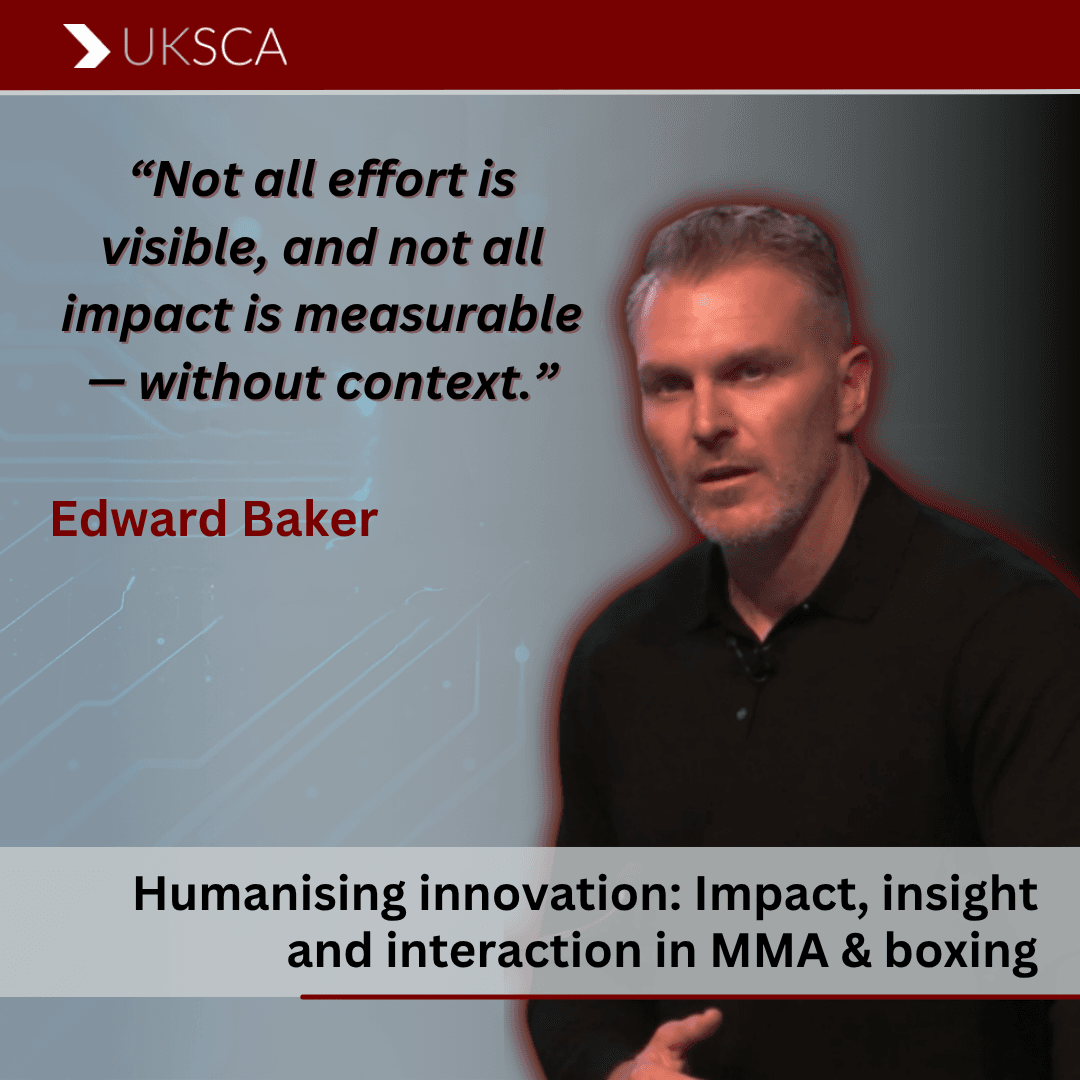
Humanising innovation: Impact, insight and interaction in MMA & boxing
Edward Baker
Edward Baker explores combat sport performance, punch force, athlete readiness, and data-driven coaching for strength & conditioning coaches.

Profile img
ARTICLE
Understanding plyometrics: a coach’s guide
Clarity and guidance to improve practitioner application and understanding of plyometrics - adaptations, movement strategy, exercise prescription and exercise progressions.

Profile img
VIDEO
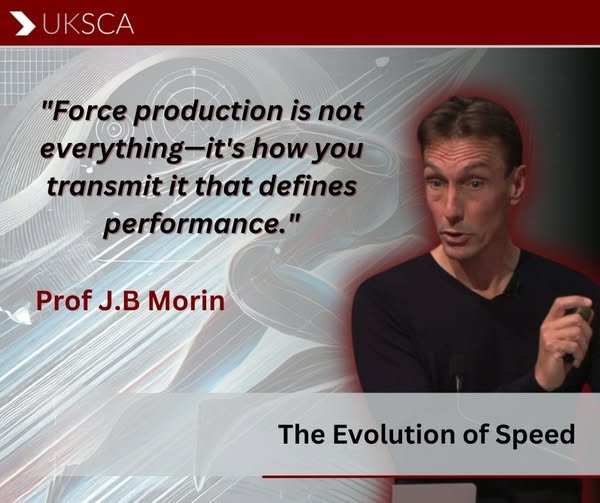
The evolution of speed
JB Morin
Prof JB Morin delivered an insightful presentation at the UKSCA 2024 annual conference, discussing the evolution of sprint mechanics and speed training over the past decade. Key topics included force-velocity profiling, sprint mechanics, and the importance of individualised athlete training.

Profile img
VIDEO
PREMIUM
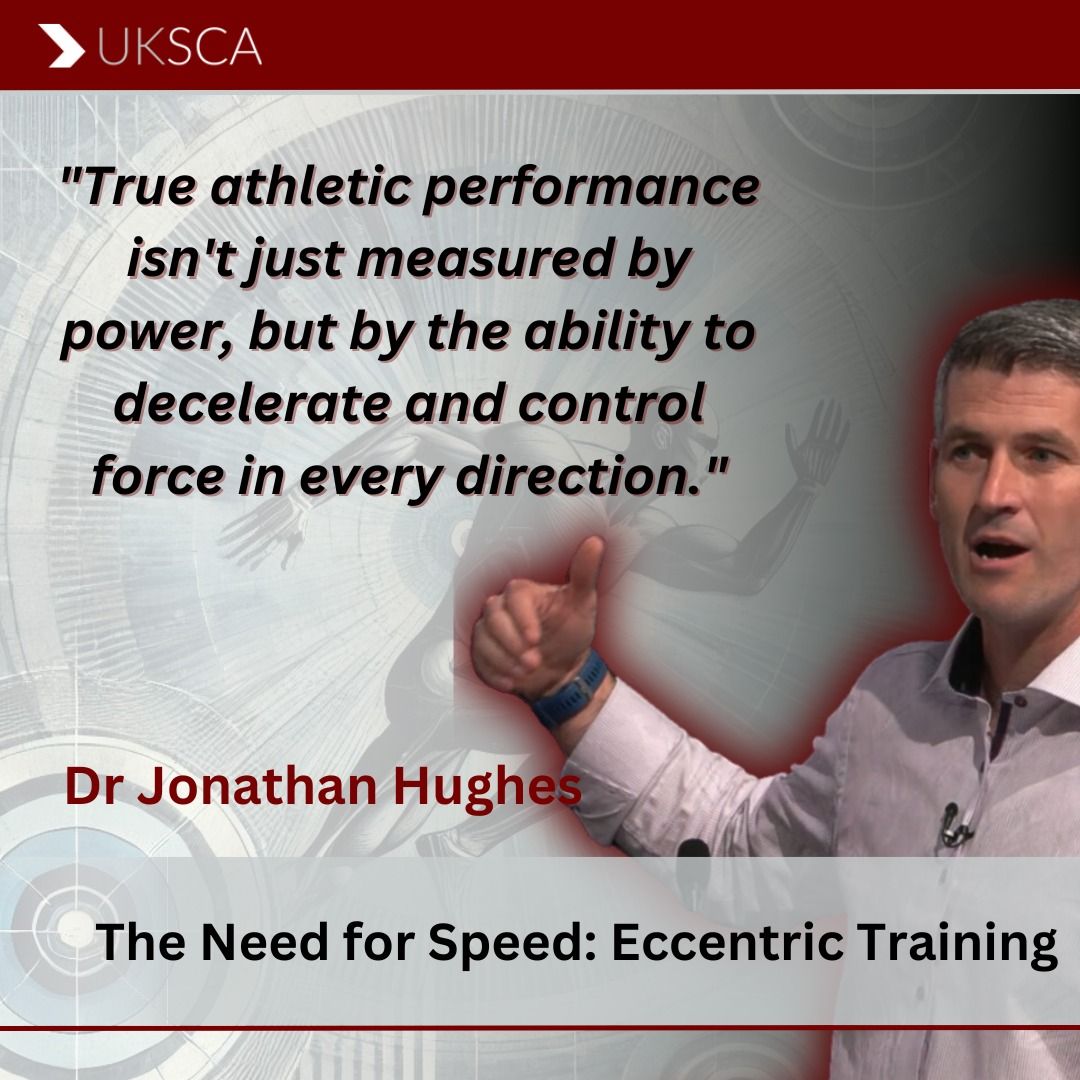
The Need for Speed: Eccentric training
Jonathan Hughes
Dr. Jonathan Hughes delivered an insightful presentation on eccentric training at the UKSCA 2024 conference, exploring its role in improving athletic performance across various sports. He discussed how eccentric training helps with deceleration and high-speed movements, emphasising the importance of using advanced methods to measure training transfer into performance gains.

Profile img
VIDEO
PREMIUM
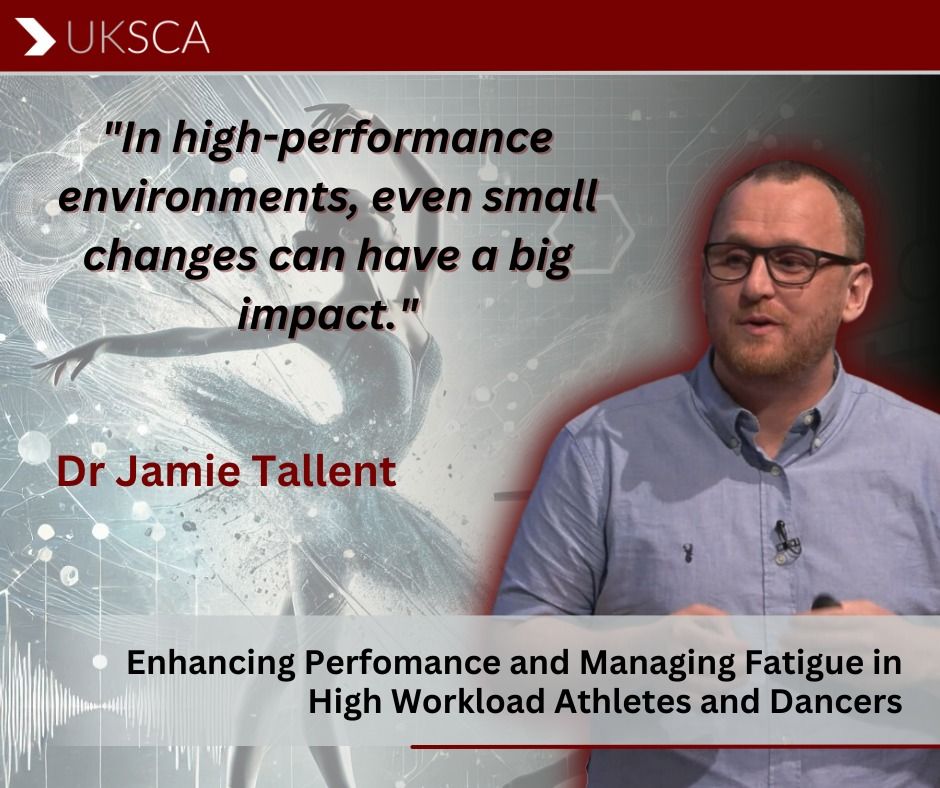
Enhancing workload and managing fatigue in high workload athletes and dancers
Jamie Tallent
Dr. Jamie Tallent shared valuable insights at the UKSCA 2024 conference, focusing on micro-dosing and high-frequency training strategies in elite performance environments. His work with organisations like the Royal Ballet and elite sports teams demonstrates how adapting training can optimise physical performance, even in high-load environments.

Profile img
VIDEO
PREMIUM
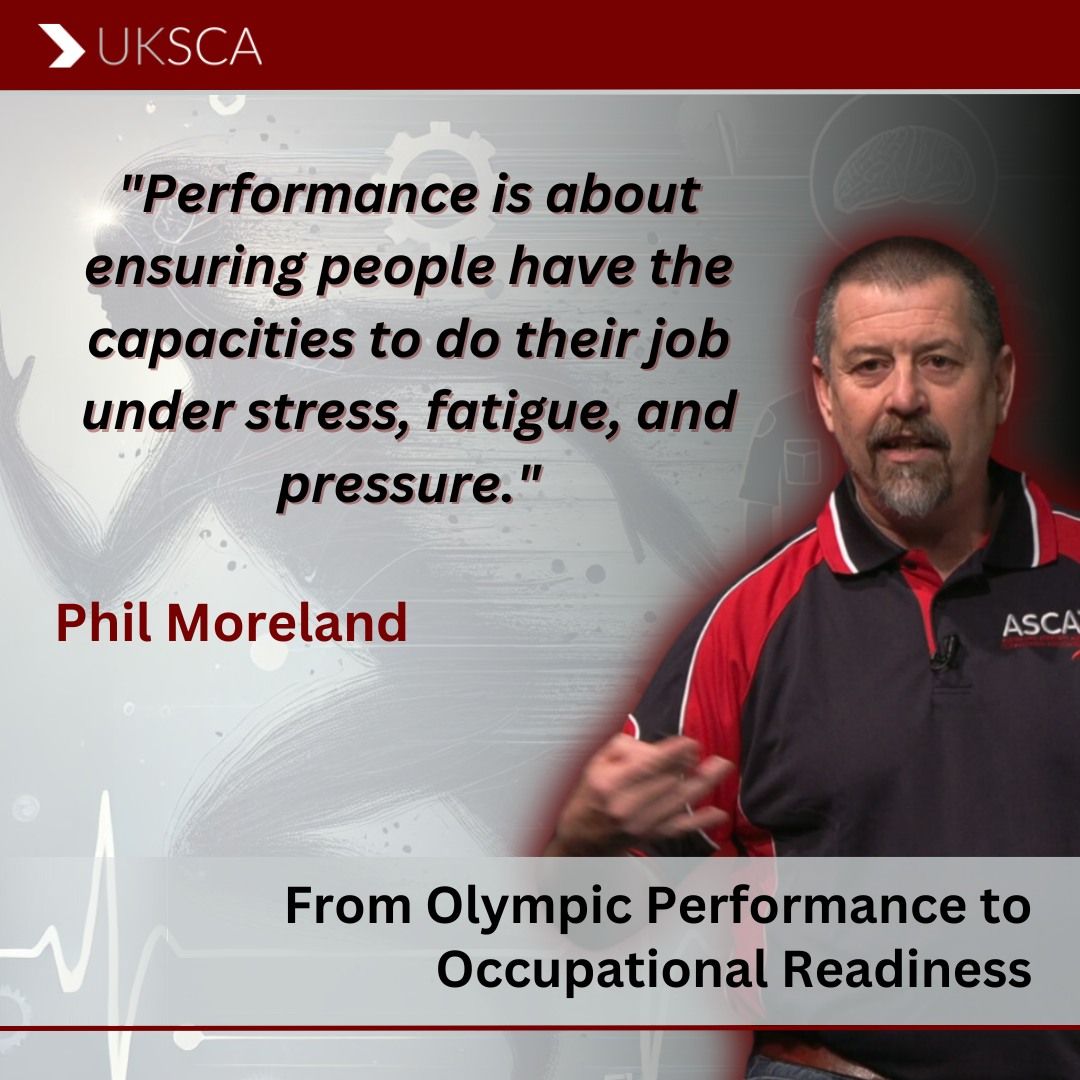
From Olympic Performance to Occupational Readiness
Phil Moreland
UKSCA 2024 Annual Conference. Phil dives into his experience transitioning from the Olympic sports world to working with the Australian Air Force, applying sports performance principles to occupational readiness for the tactical athlete.

Profile img
ARTICLE
The WiSEAN Conference 2023: ‘We are courageous – speaking out boldly and acting for change’
Reporting from the Women in Sport and Exercise Science Academic Network (WiSEAN) Conference in June 23.