Fuse logo
Logo image

UKSCA-IQ

Vast online library of videos, articles, podcasts, streamed presentations and eLearning modules


Learning to react

01/03/2008
By Jay Dawes

Many coaches use preplanned agility drills to develop specific movement patterns. However, to prepare for competition controlled chaos must be introduced into training.
This content is available free to registered users

UKSCA-IQ

Join UKSCA-IQ to access this content
Sign In

If you have an existing UKSCA account

Additional resources


Profile img
ARTICLE
Developing athletic motor skill competencies in youth populations: Theoretical foundations and practical applications
Discover how Athletic Motor Skill Competencies (AMSCs) enhance youth motor development, physical literacy, performance and long-term participation in sport and physical activity.

Profile img
ARTICLE
Full FMS™ vs. Modified FMS™ Screening: A comparison of associations with independent athletic performance measures
Examination of full and modified FMS™ scores in football players, exploring links with sprint speed, jump performance and movement quality across sex, age and playing position.

Profile img
ARTICLE
Developing Youth Motor Competence using a Physical Literacy Lens: The Carnegie Strength and Conditioning Academy Programme
An evidence-informed youth strength and conditioning programme using physical literacy and motor competence to enhance engagement and development in 11–14-year-olds.

Profile img
VIDEO
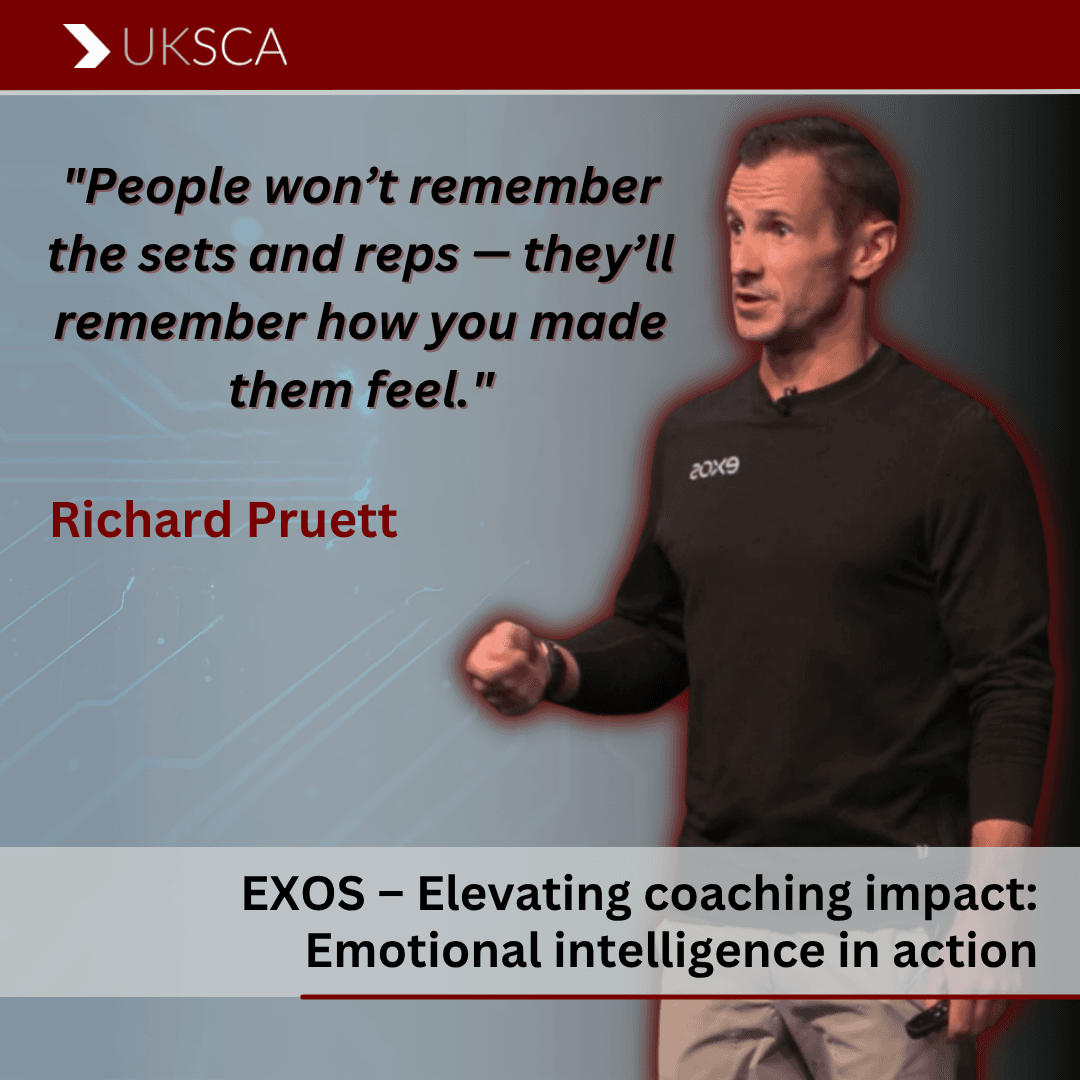
EXOS – Elevating coaching impact: Emotional intelligence in action
Richard Pruett
Richard Pruett explores emotional intelligence, athlete-centred coaching, and communication skills for strength & conditioning success.

Profile img
VIDEO
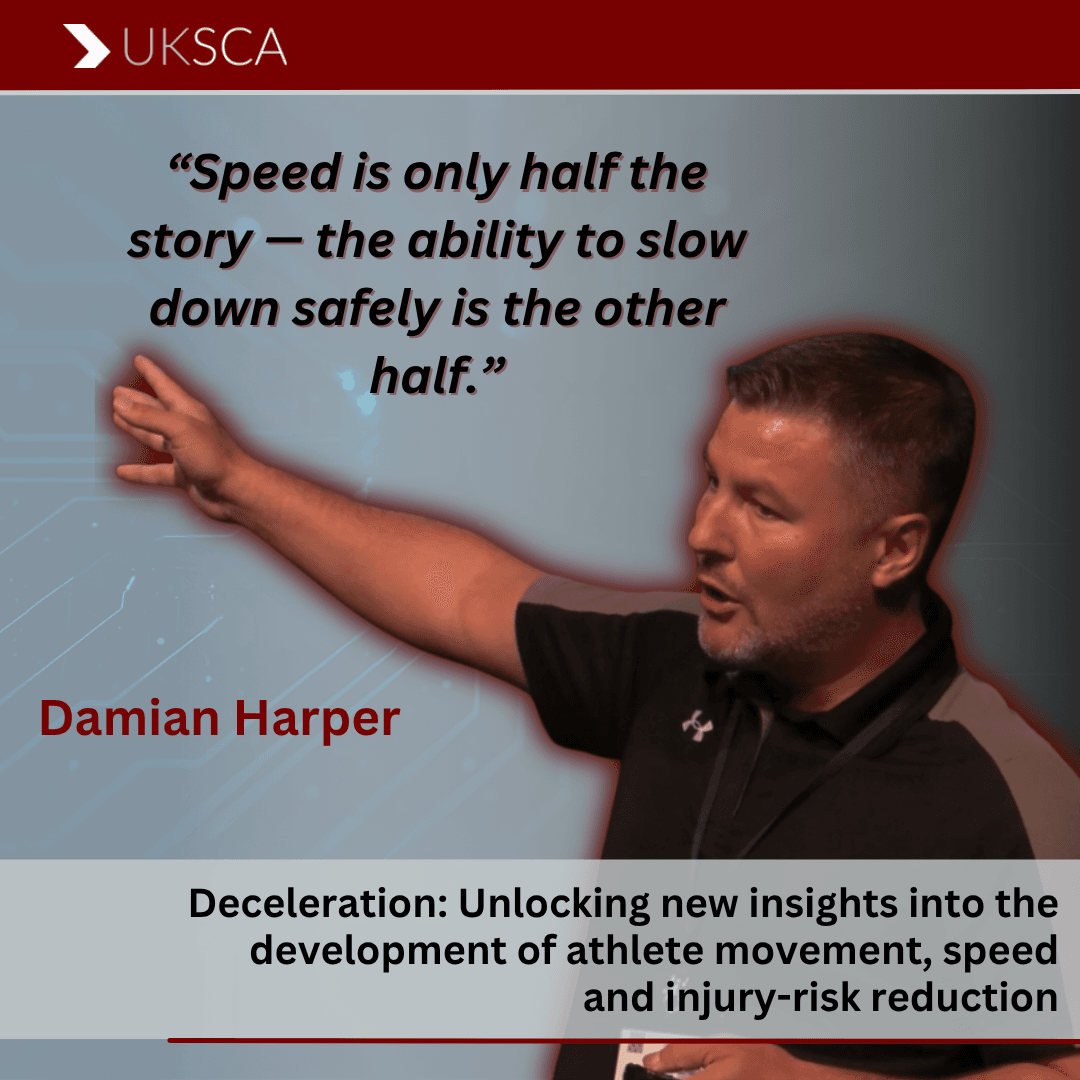
Deceleration: Unlocking new insights into the development of athlete movement, speed and injury-risk reduction
Damian Harper
UKSCA webinar exploring Damien Harper’s research on deceleration, ACL risk, change of direction, and braking training methods for S&C coaches

Profile img
VIDEO
Technology, Data and the Coaching Craft — Finding the Sweet Spot
Andy Boyd leads a UKSCA panel on sports tech, data, and coaching practice for strength and conditioning coaches and sport scientists.

Profile img
VIDEO
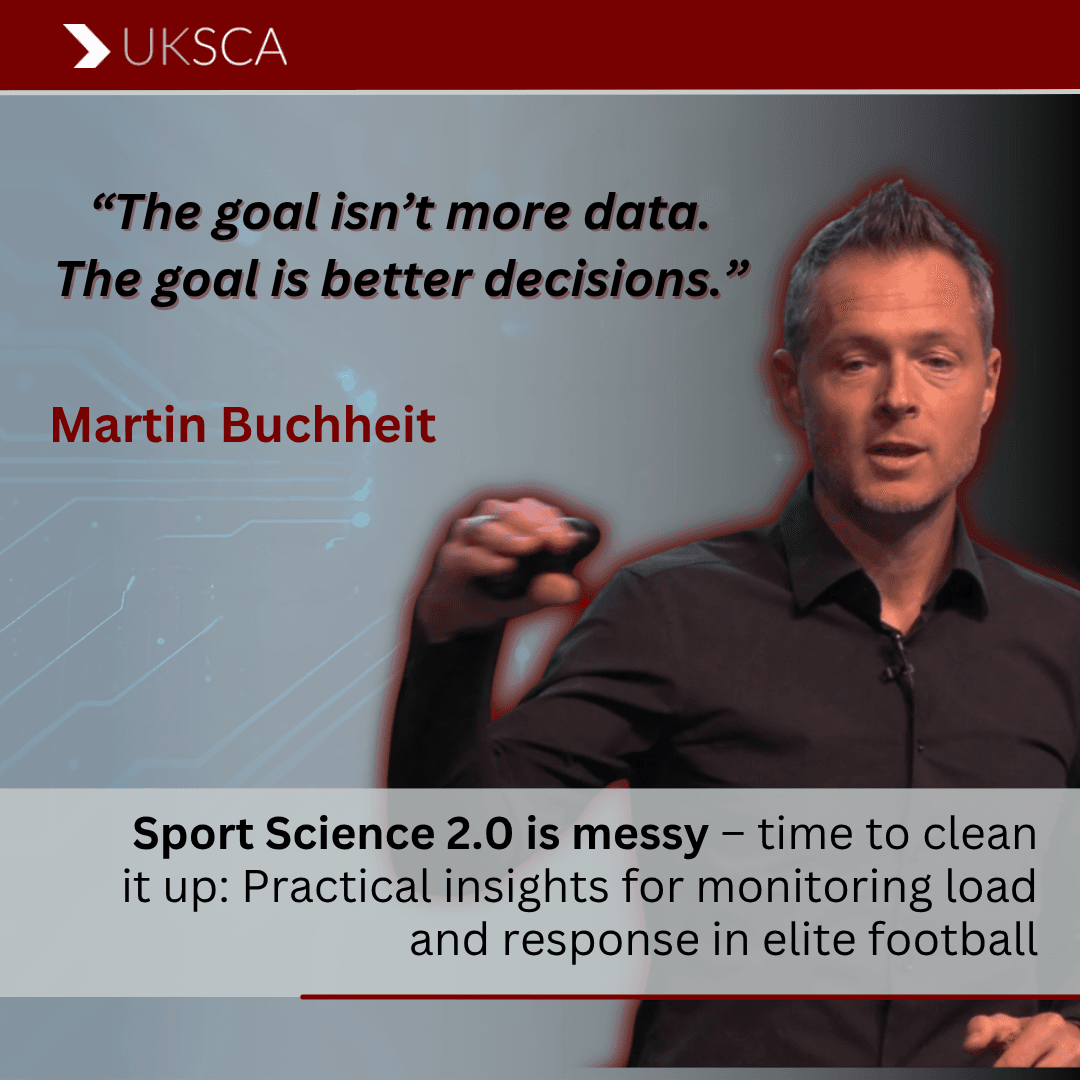
Sport science 2.0 is messy – time to clean it up: Practical insights for monitoring load and response in elite football
Martin Buchheit
Dr Martin Buchheit explores load–response monitoring, data-driven training, and performance adaptation for strength and conditioning coaches.

Profile img
VIDEO
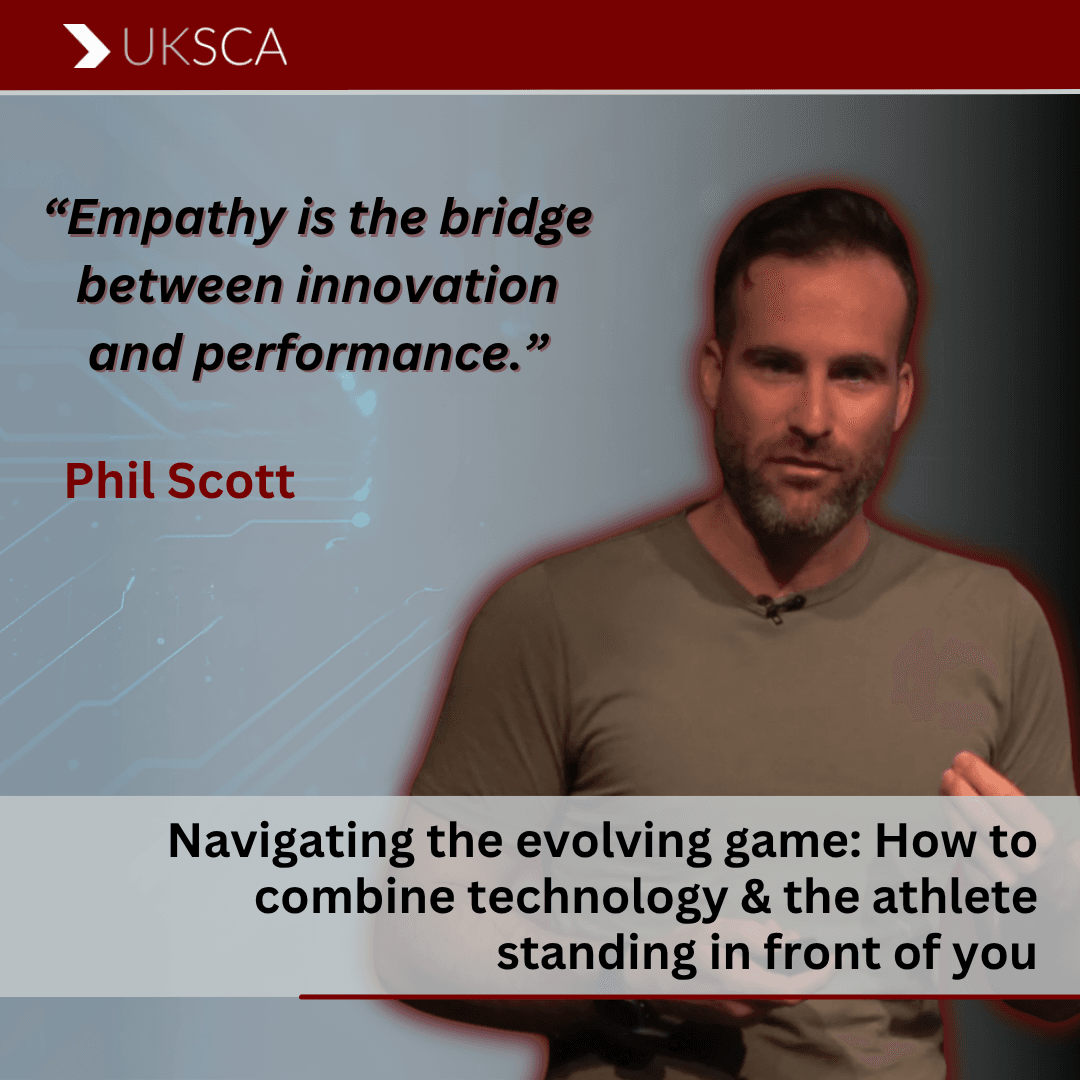
Navigating the evolving game: How to combine technology & the athlete standing in front of you
Dr Phil Scott
Dr Phil Scott explores humanising innovation in coaching—linking empathy, communication, and performance for S&C coaches and sport scientists.

Profile img
VIDEO
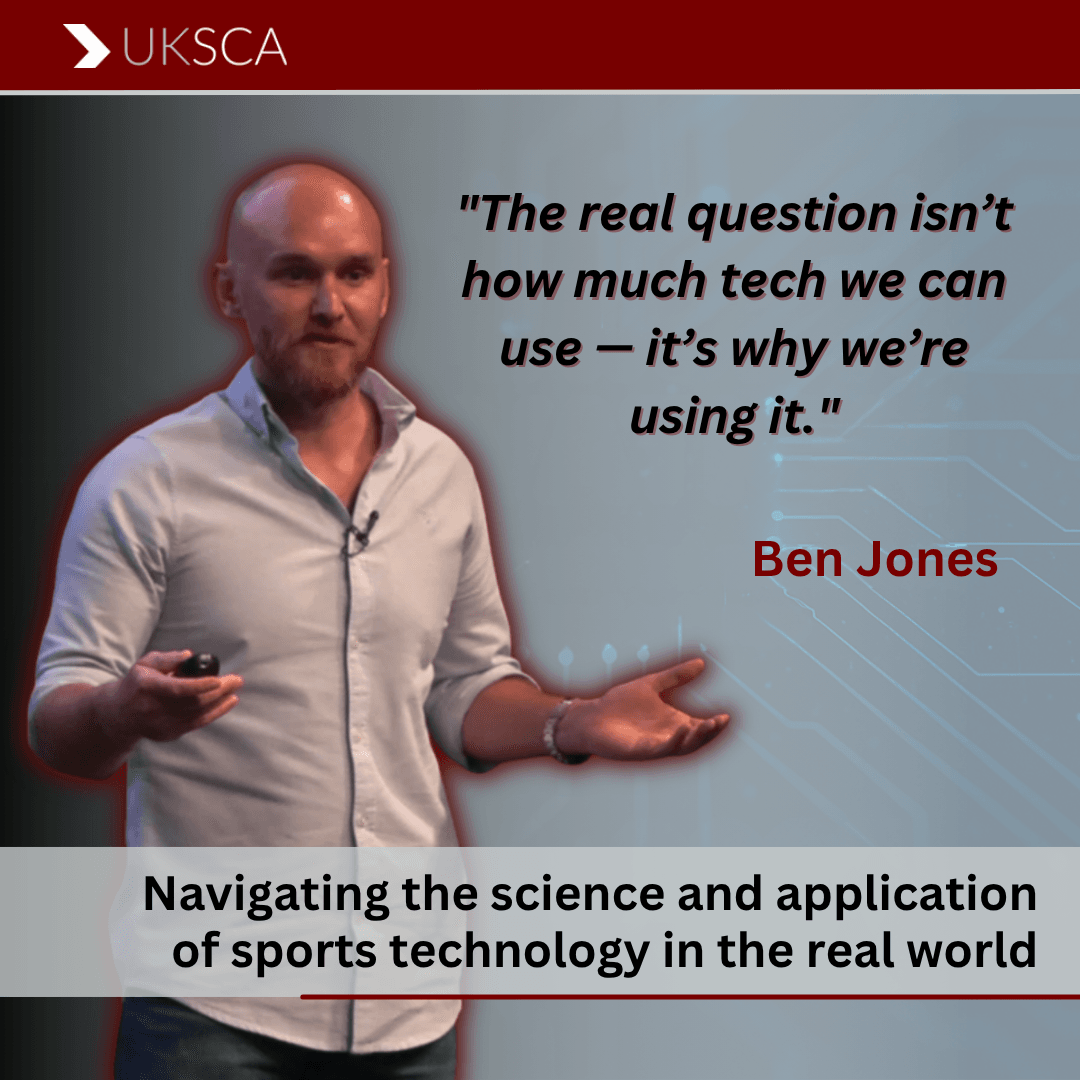
Navigating the science and application of sports technology in the real world
Ben Jones
Professor Ben Jones explores sports technology, performance data, injury prevention and coaching insights for strength and conditioning coaches and sport scientists.

Profile img
VIDEO
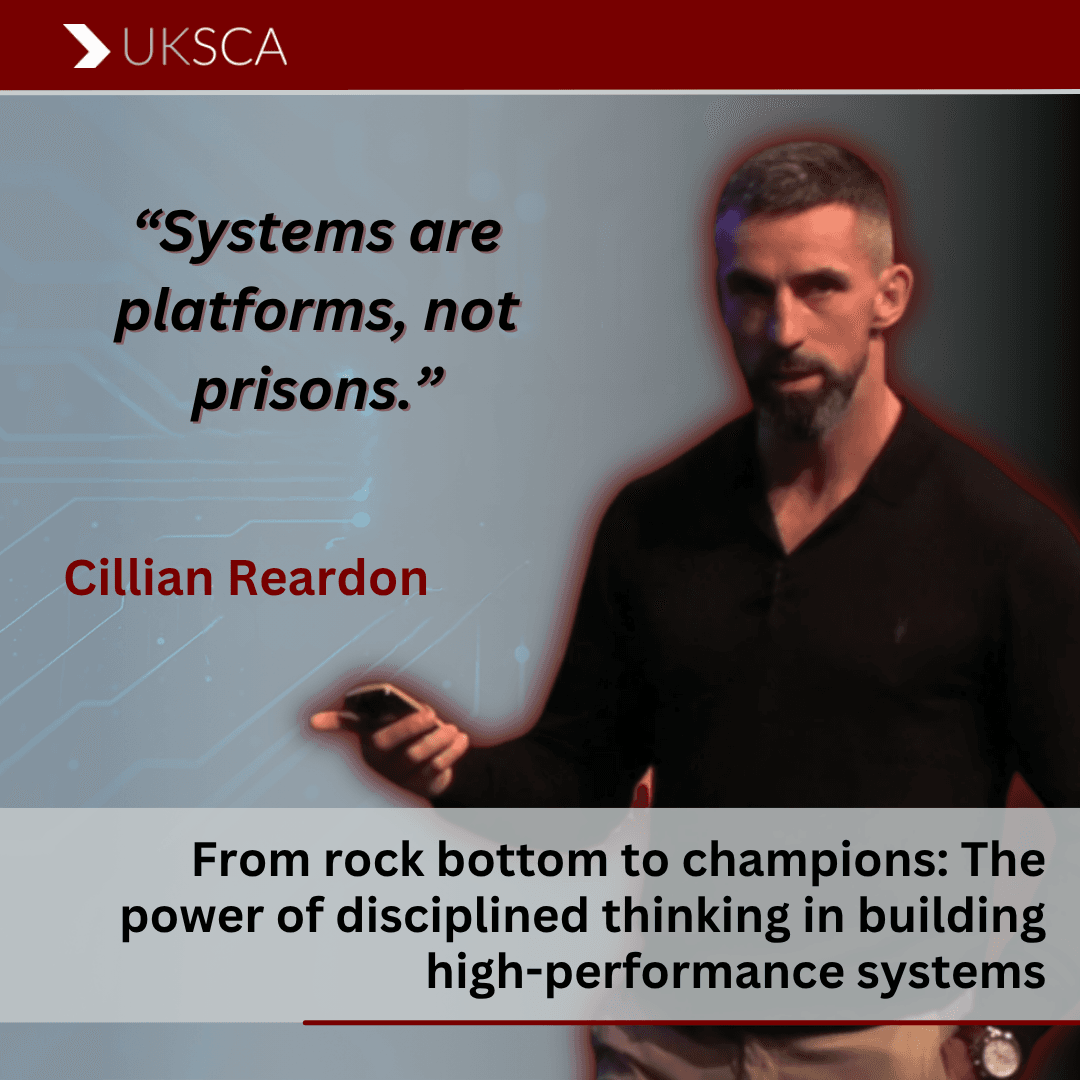
From rock bottom to champions: Disciplined thinking in building high-performance systems
Cillian Reardon
Cillian Reardon explores disciplined thinking, systems, and goal achievement in performance for strength and conditioning professionals.

Profile img
VIDEO
The invisible edge: How emerging tech is redefining athlete monitoring and coaching
Dario Cazzola
Dr Dario Cazzola, Associate Professor of Biomechanics at Bath, researches injury biomechanics and performance, specialising in cervical spine injuries in sport.

Profile img
ARTICLE
Understanding plyometrics: a coach’s guide
Clarity and guidance to improve practitioner application and understanding of plyometrics - adaptations, movement strategy, exercise prescription and exercise progressions.

Profile img
ARTICLE
How S&C coaches can work as allies in mental health: Awareness, prevention, and support
S&C coaches are uniquely positioned to understand the psychological pressures that accompany athletic performance.

Profile img
VIDEO
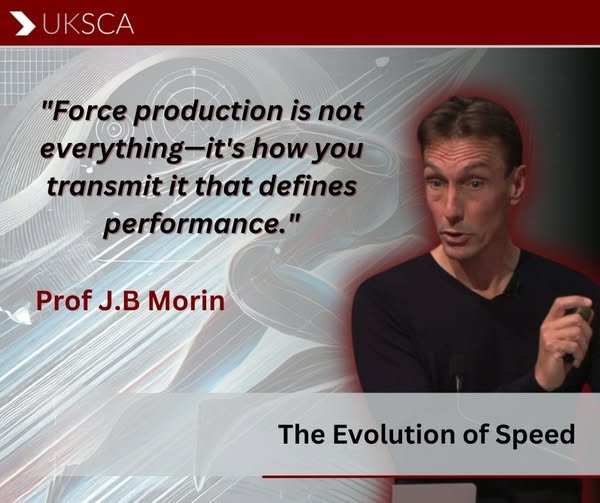
The evolution of speed
JB Morin
Prof JB Morin delivered an insightful presentation at the UKSCA 2024 annual conference, discussing the evolution of sprint mechanics and speed training over the past decade. Key topics included force-velocity profiling, sprint mechanics, and the importance of individualised athlete training.

Profile img
VIDEO
PREMIUM
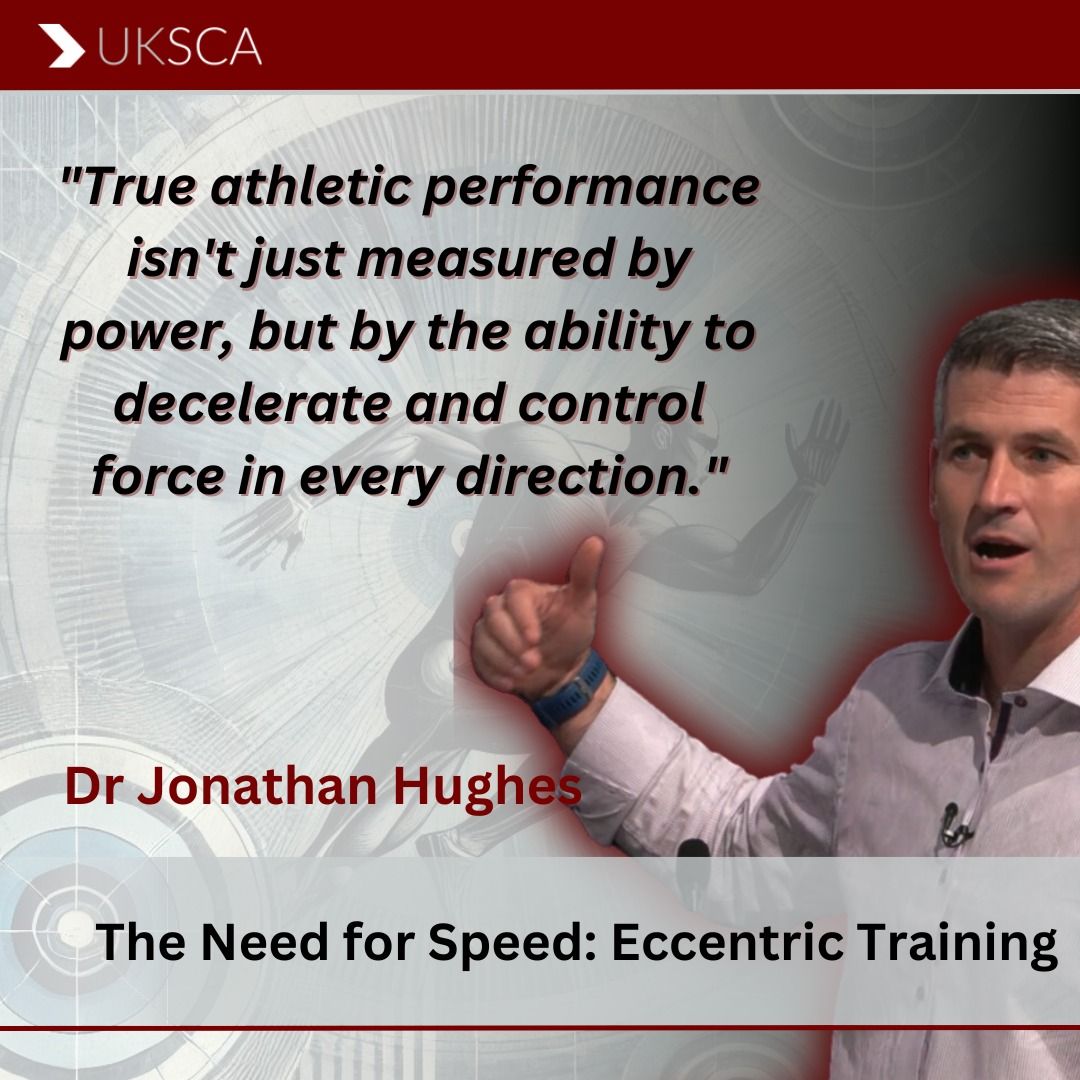
The Need for Speed: Eccentric training
Jonathan Hughes
Dr. Jonathan Hughes delivered an insightful presentation on eccentric training at the UKSCA 2024 conference, exploring its role in improving athletic performance across various sports. He discussed how eccentric training helps with deceleration and high-speed movements, emphasising the importance of using advanced methods to measure training transfer into performance gains.