Fuse logo
Logo image

PSCJ


Talent detection: do jumping performances correlate with maturation levels, and what are the differences within maturation groupings?

01/09/2020

Rich Kite, Richard Buscombe and Nicholas Bourne

ABSTRACT

This study investigates the relationship between biological maturation and jumping performance in adolescent boys and girls, examining the implications for talent detection (TDE). Traditional talent detection often compares young athletes within chronological age groups, potentially overlooking differences in physical development caused by early, average or late maturation. The study therefore explored whether vertical and horizontal jump performance correlates with maturation status and whether performance differs between maturation groups.


A total of 137 children participated, comprising 72 girls and 65 boys. Maturation was estimated using Mirwald’s equation for years from peak height velocity (PHV), with participants classified as early, average or late maturers. Vertical and horizontal jump assessments were then used as field-based measures of physical performance. 


Results showed significant relationships between maturation and jumping performance in boys, with a large correlation for vertical jump and a very large correlation for horizontal jump. In contrast, no significant relationship was found between maturation and either jumping measure in girls. Analysis within age groups also identified disadvantages for some late-maturing participants, particularly in horizontal jump performance around the typical years of PHV.


The findings suggest that relying solely on chronological age and current physical performance during talent detection may disadvantage later-maturing young athletes. Incorporating biological age into athlete profiling could help practitioners recognise maturation-related performance biases and make more informed talent identification and development decisions.
Related Topics


In this issue

Profile img
ARTICLE
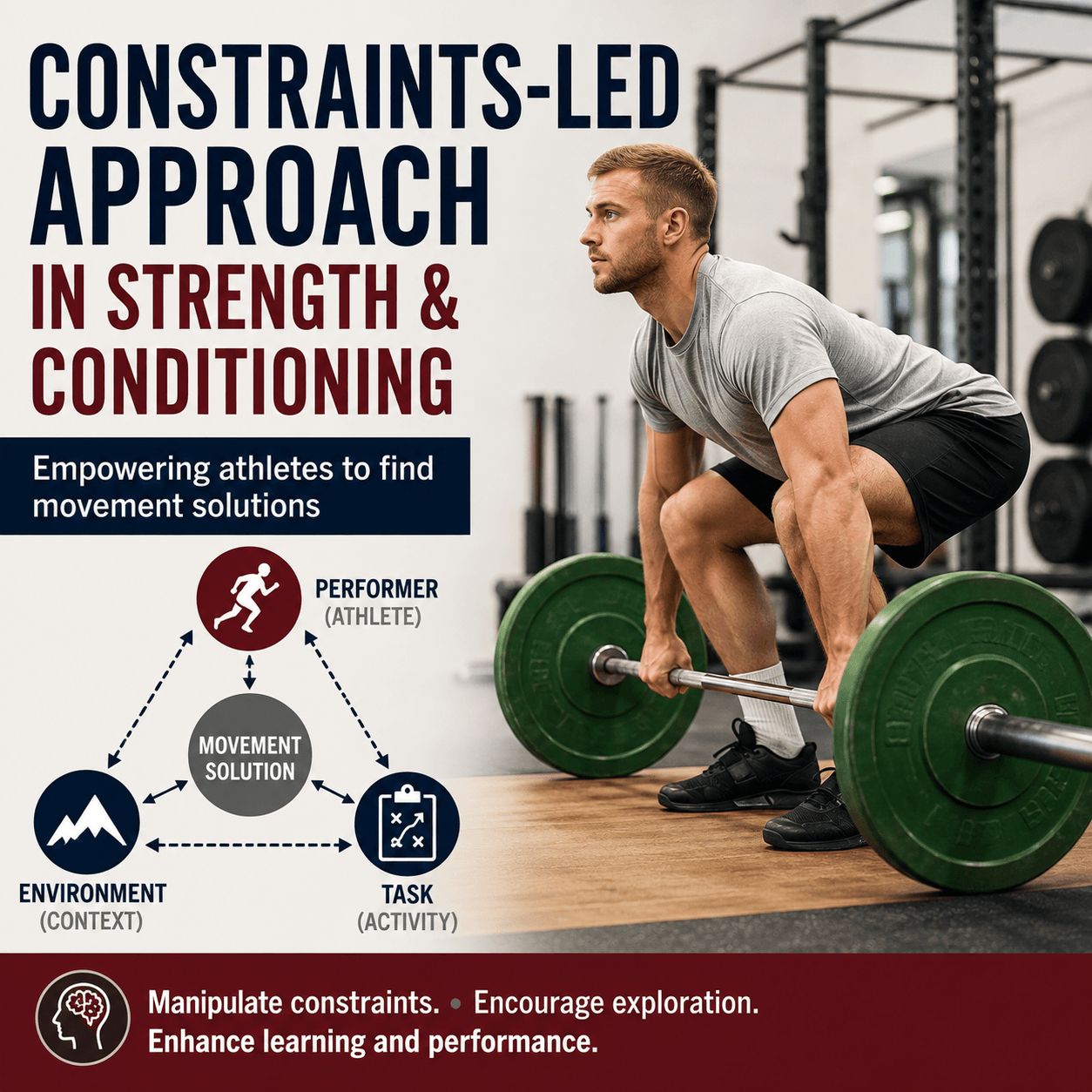
Evaluating the constraints led approach and its application within strength and conditioning
Explore the constraints-led approach in strength and conditioning and how manipulating task, environmental and performer constraints can enhance movement learning and performance.

Profile img
ARTICLE
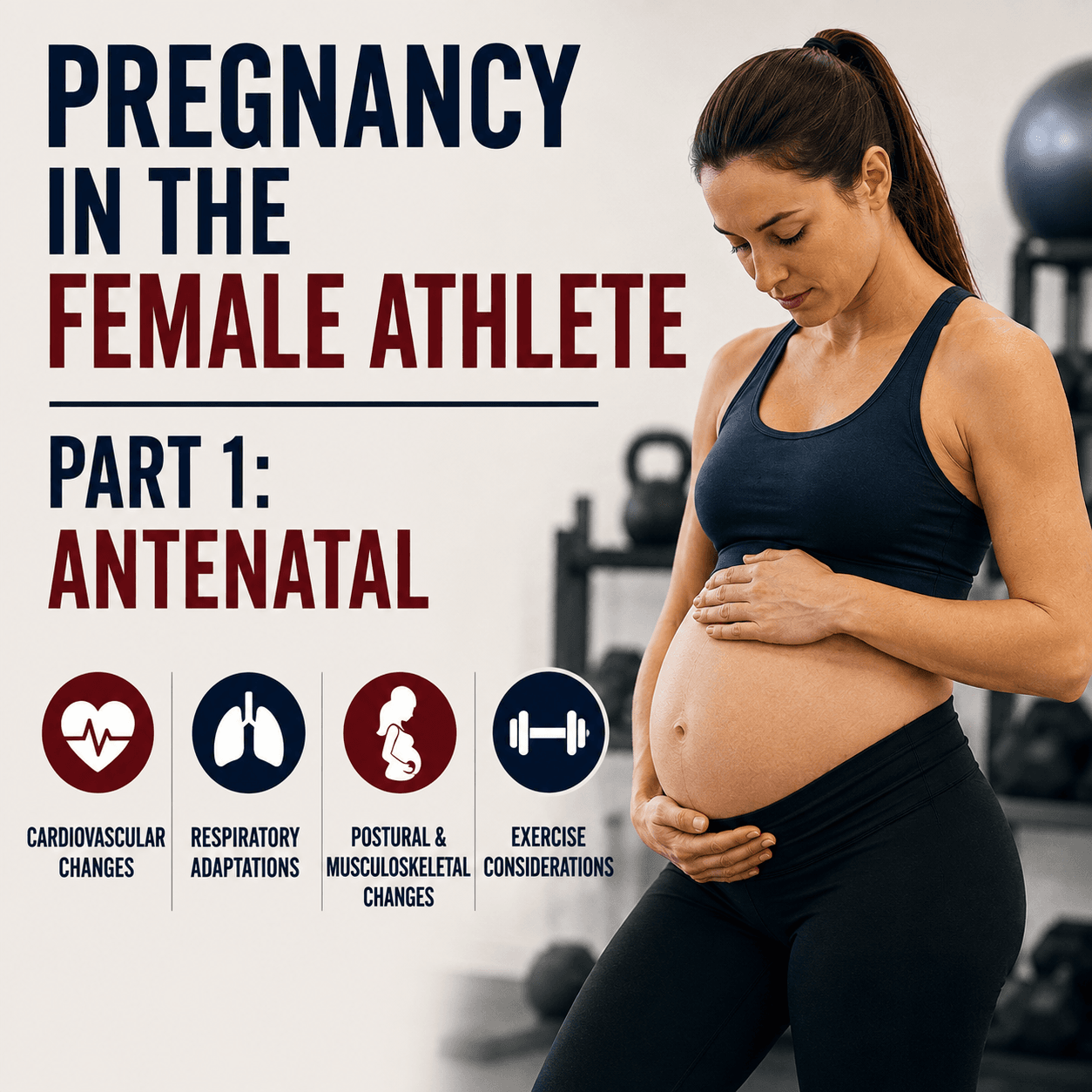
Pregnancy in the female athlete Part 1: antenatal
Explore antenatal considerations for female athletes, including physiological changes, nutrition, exercise modification, pelvic health and safe S&C practice.

Profile img
ARTICLE
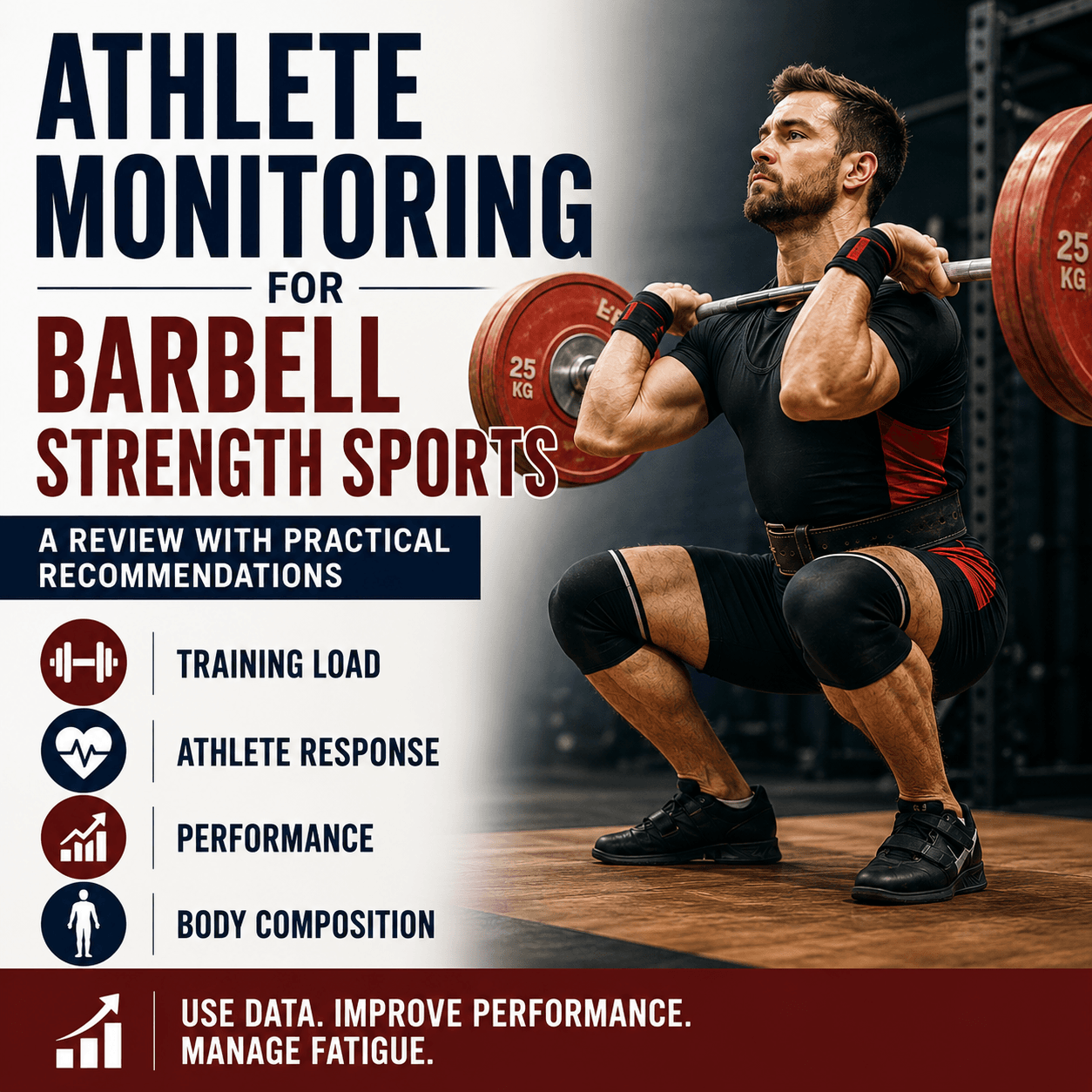
Athlete monitoring for barbell strength sports: a review with practical recommendations for implementation
Explore athlete monitoring in weightlifting and powerlifting, with practical methods for tracking training load, fatigue, performance and body composition.

Profile img
ARTICLE
PREMIUM
Professional Strength & Conditioning - Issue 59 - December 2020
Various
Evaluating the Constraints-led Approach; Pregnancy in the Female Athlete; and Athlete Monitoring for Barbell Strength Sports.

Profile img
ARTICLE
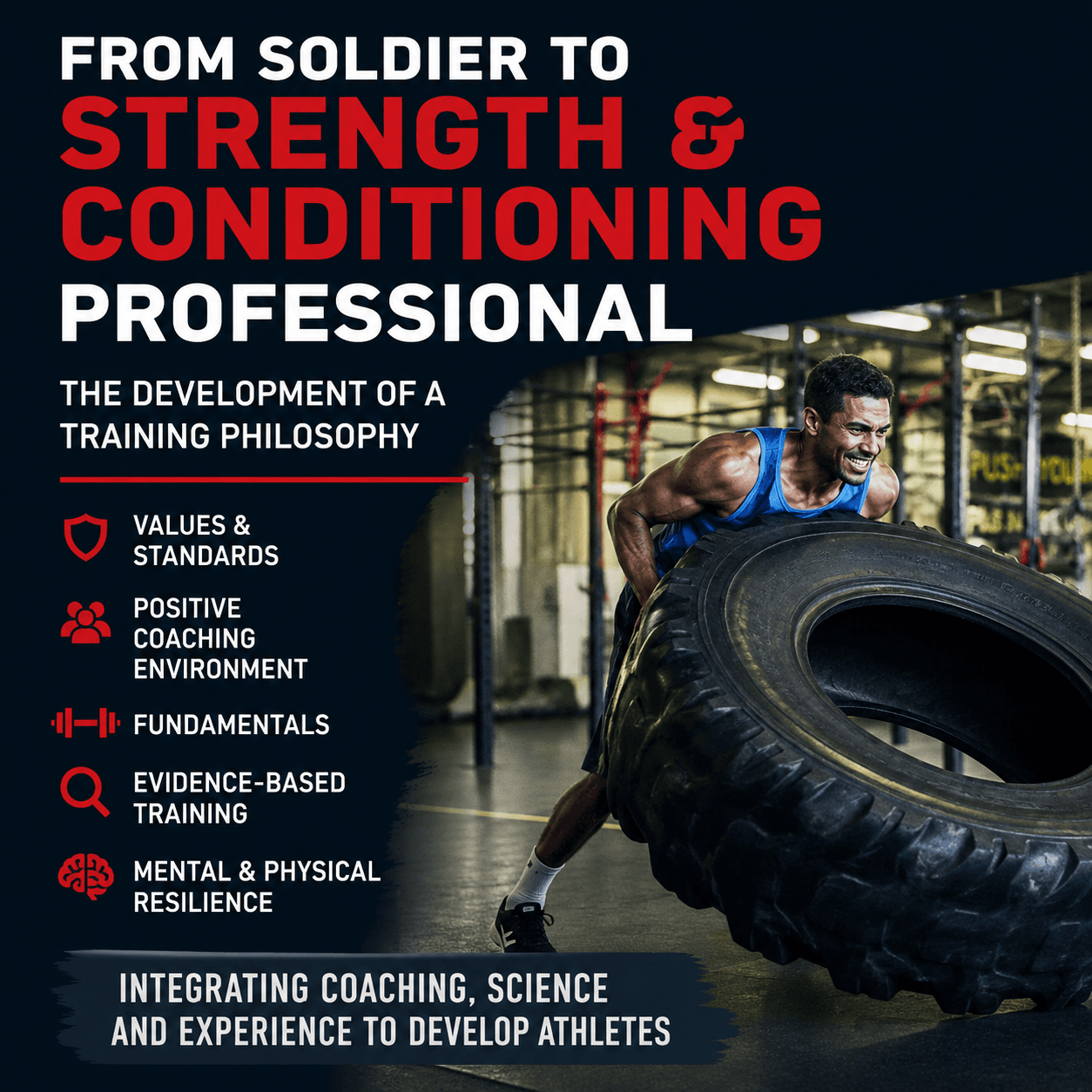
From soldier to strength and conditioning professional: The development of a training philosophy
Discover a practical S&C training philosophy that combines coaching, sport science, resilience and evidence-based practice to optimise athlete development.

Profile img
ARTICLE
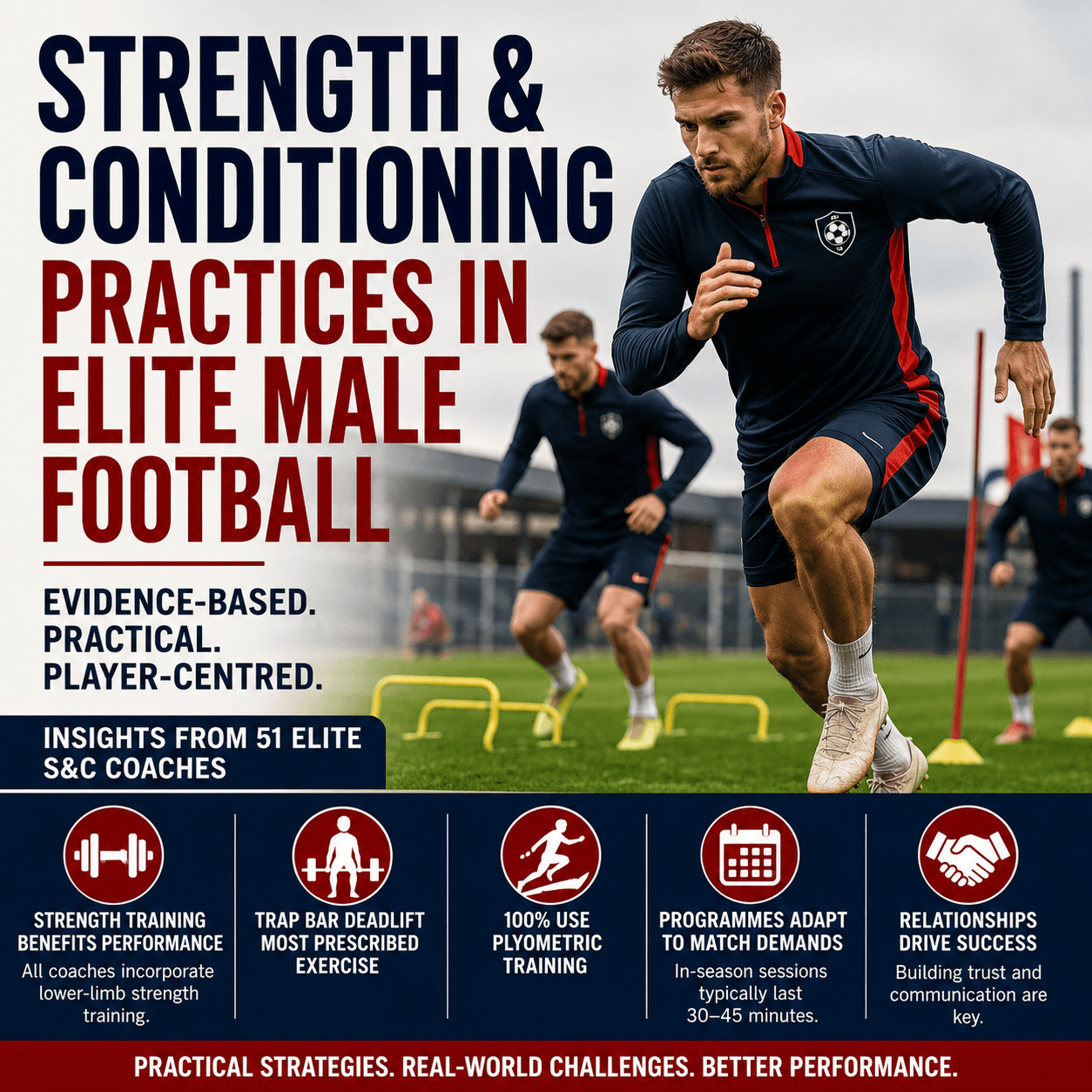
Strength and conditioning provision and practices in elite male football
Explore strength and conditioning practices in elite male football, including exercise selection, periodisation, plyometrics, programming challenges and player engagement.

Profile img
ARTICLE
Professional Strength & Conditioning - Issue 58 - September 2020
Various
Talent detection: age, sex and jump performance; Training Philosophy Development; S&C Practices in Elite Male Football.

Profile img
ARTICLE
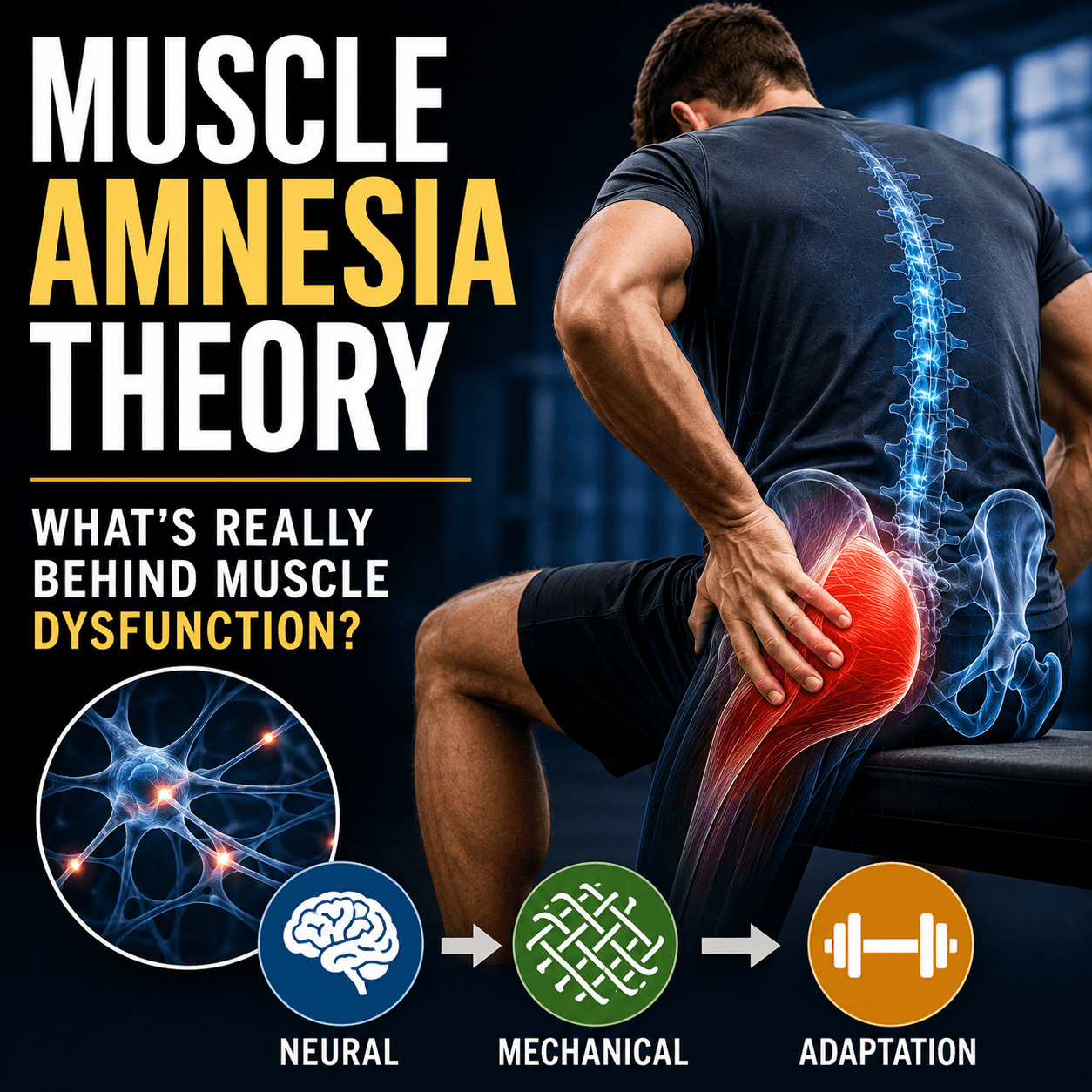
An examination of the muscle amnesia theory
Explore the muscle amnesia theory and evidence questioning neural inhibition, with an alternative explanation based on connective tissue mechanics, load and adaptation.

Profile img
ARTICLE
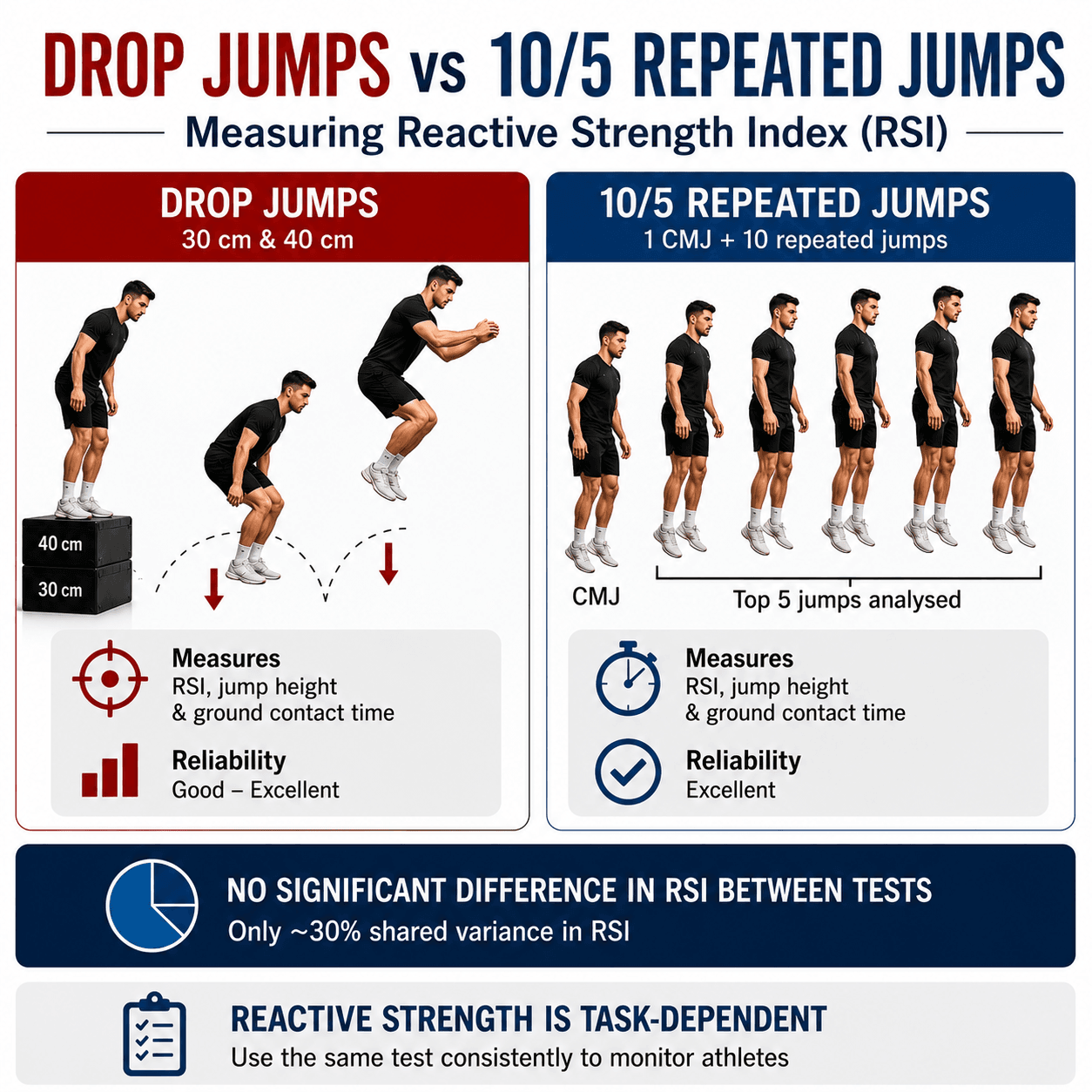
Comparing drop jumps with 10/5 repeated jumps to measure reactive strength index
Compare 10/5 repeated jumps and drop jumps for measuring reactive strength index, examining reliability, jump height, ground contact time and practical use.

Profile img
ARTICLE
Professional Strength & Conditioning - Issue 57 - June 2020
Various
A Three Year Internship at Sheffield Hallam; Examining the Muscle Amnesia Theory; Measuring the Reactive Strength Index.

Profile img
ARTICLE
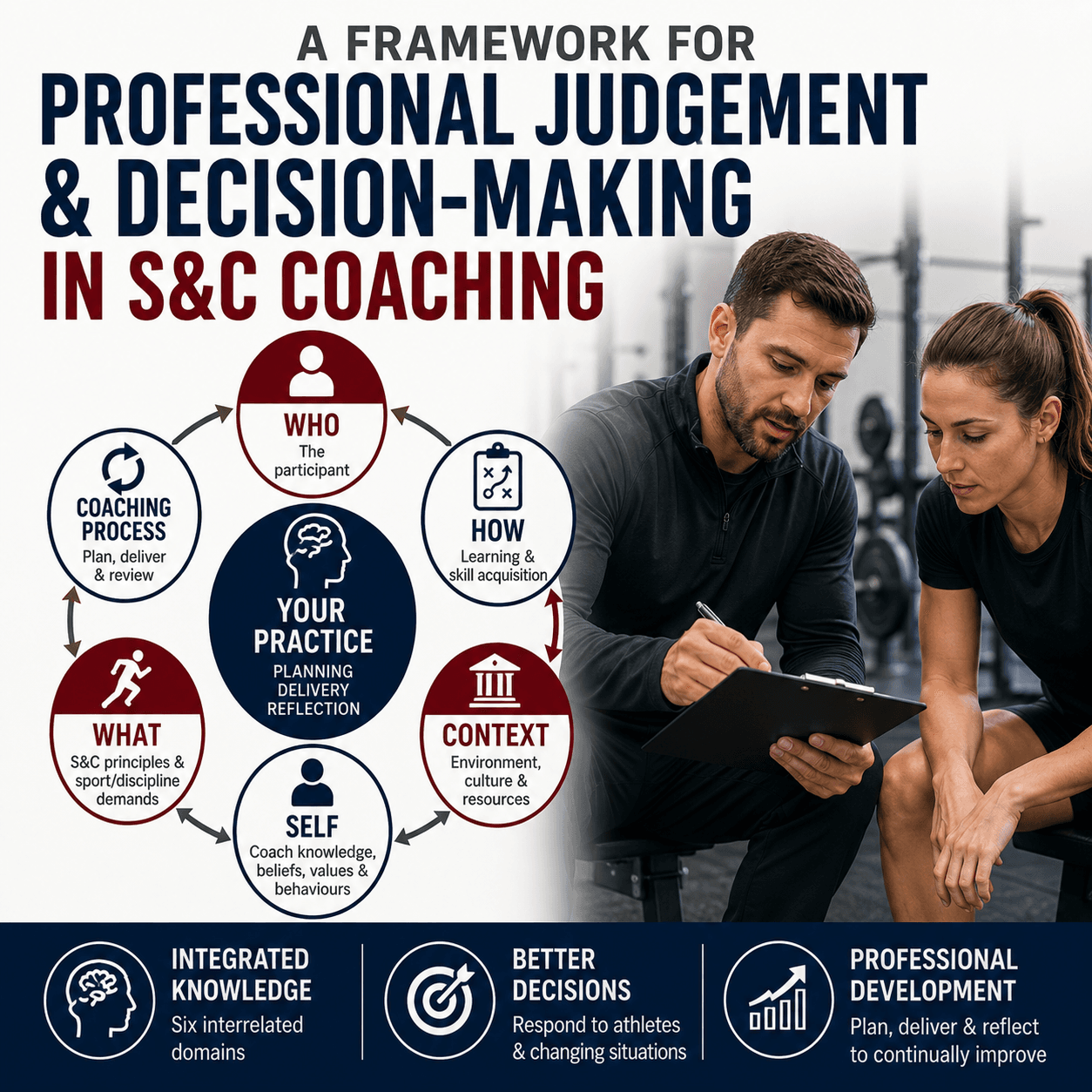
A framework for professional judgement and decision-making in S&C coaching
Explore a professional judgement and decision-making framework for S&C coaching, integrating athlete needs, coaching knowledge, context and reflective practice.

Profile img
ARTICLE
Professional Strength & Conditioning - Issue 56 - March 2020
Various
A Framework for Professional decision-making; University Coaches in the UK and Ireland; Contextology, a new approach to Effective Coaching?