Fuse logo
Logo image

PSCJ


Use context and Gamespeed to transform speed and agility training

10/02/2023

Ian Jeffreys

ABSTRACT

Traditional speed and agility training often focuses on isolated physical qualities and measurable performance metrics, yet these approaches may fail to capture the true movement demands of sport. In this article, Ian Jeffreys introduces the concept of Gamespeed - a context-specific approach to movement training that prioritises the why behind athletic actions rather than simply the what. Using the analogy of analysing a game without seeing the ball, the author demonstrates how movement can only be understood within its tactical and environmental context. A reverse engineering framework is presented to help coaches identify the phases of play, key principles, sub-principles and movement tasks that underpin successful sporting performance before designing targeted physical preparation. The article also examines how organismal, task and environmental constraints interact to influence movement solutions, challenging practitioners to move beyond metric-driven assessments and isolated speed qualities. By developing both the breadth and depth of an athlete's gamespeed capabilities, coaches can create more adaptable, perceptive and effective performers whose movement skills transfer directly to the competitive environment.


Related Topics

Profile image
Author: Ian Jeffreys

Ian is a prolific coach, author and educator who consults extensively with several international sports organisations. He is President of the NSCA, Editor of the UKSCA's journal, Professional Strength and Conditioning, and is also on the Editorial Board for the NSCA's Strength and Conditioning Journal, and the Journal of Australian Strength and Conditioning.
In this issue

Profile img
ARTICLE
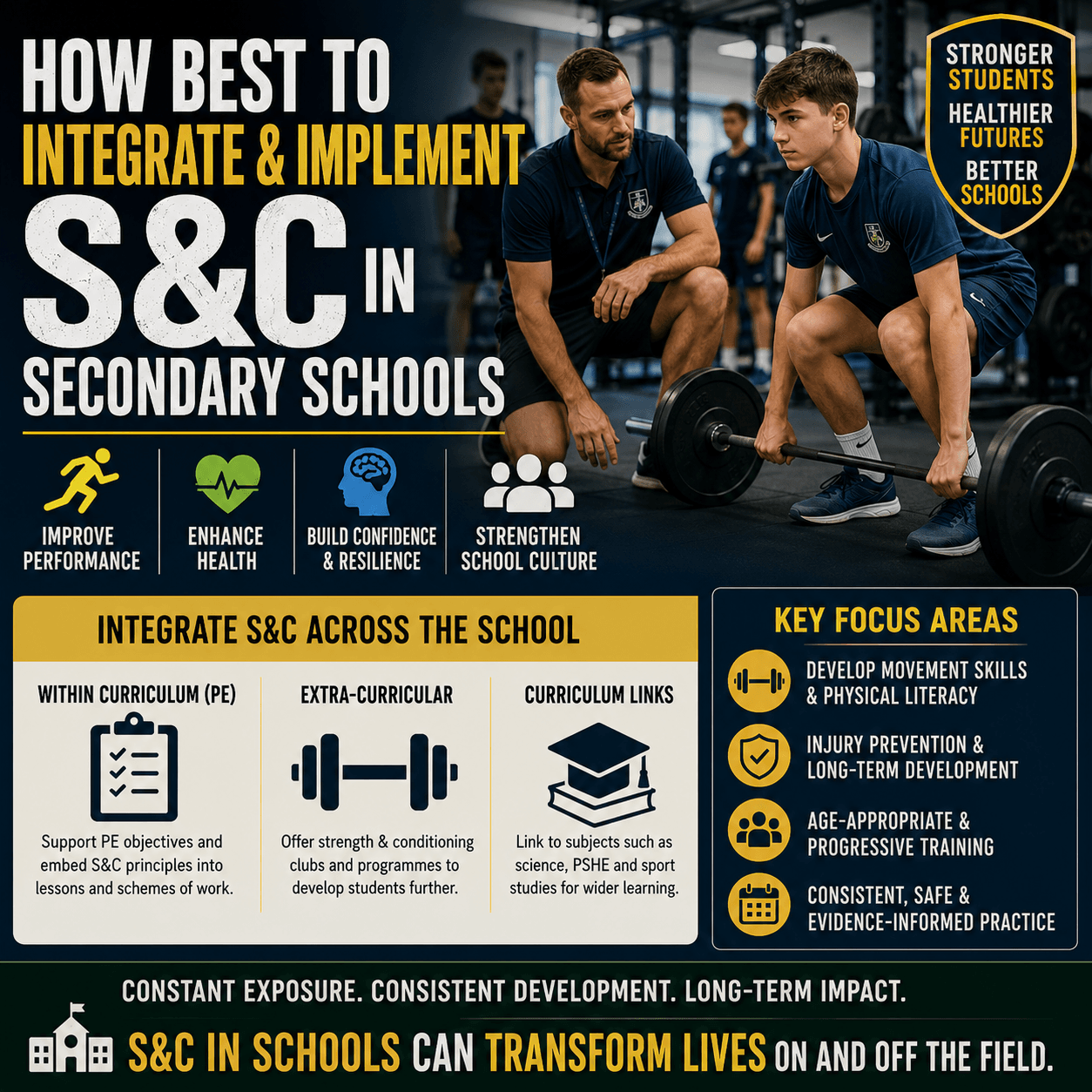
How best to integrate and implement S&C in secondary schools
Learn how to successfully integrate strength and conditioning into secondary schools, with practical strategies for PE, youth athletic development, resistance training and long-term physical literacy.

Profile img
ARTICLE
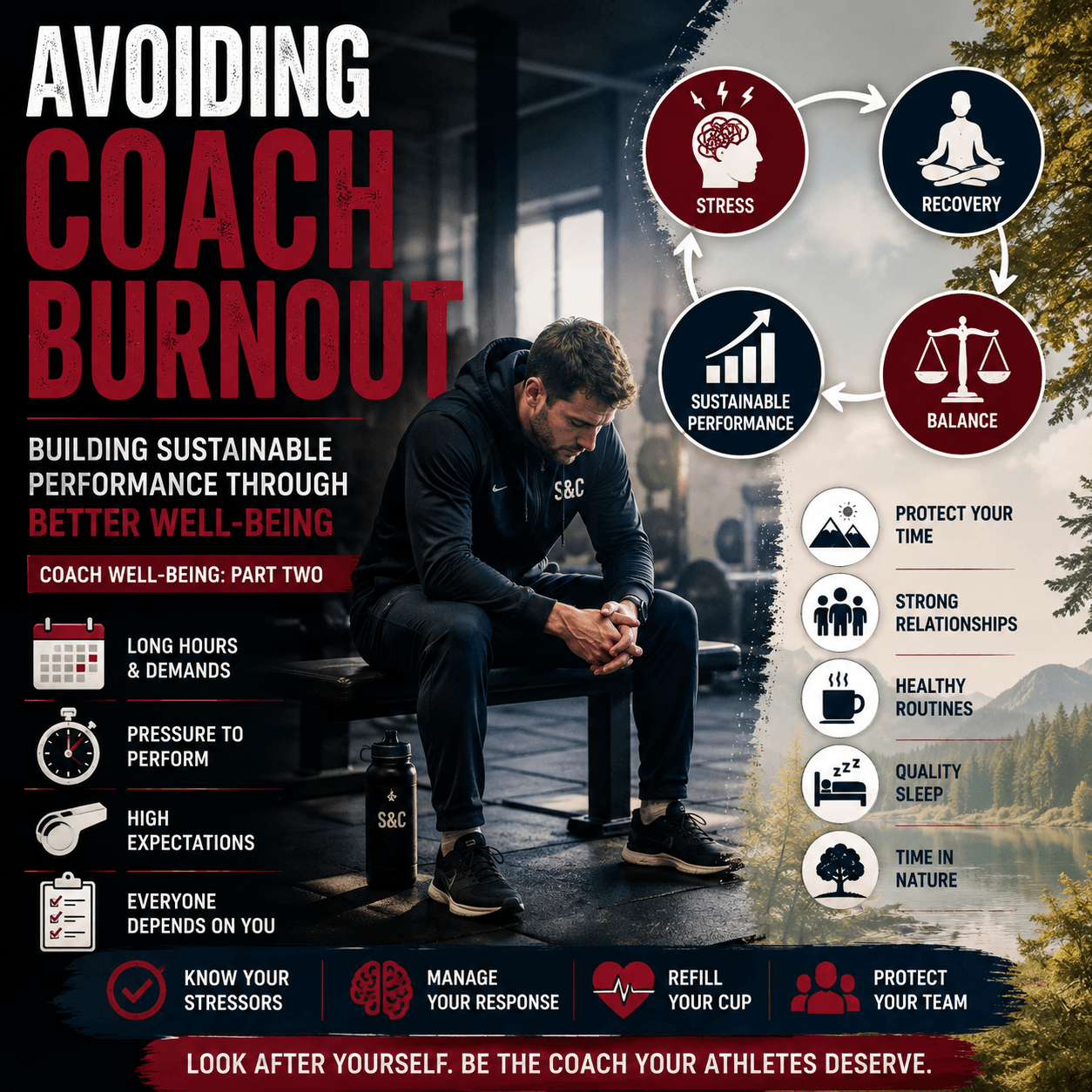
Burnout: how the S&C coach can take steps to avoid it
Learn how strength and conditioning coaches can recognise, prevent and recover from burnout through practical stress management, healthy boundaries and supportive workplace cultures.

Profile img
ARTICLE
PREMIUM
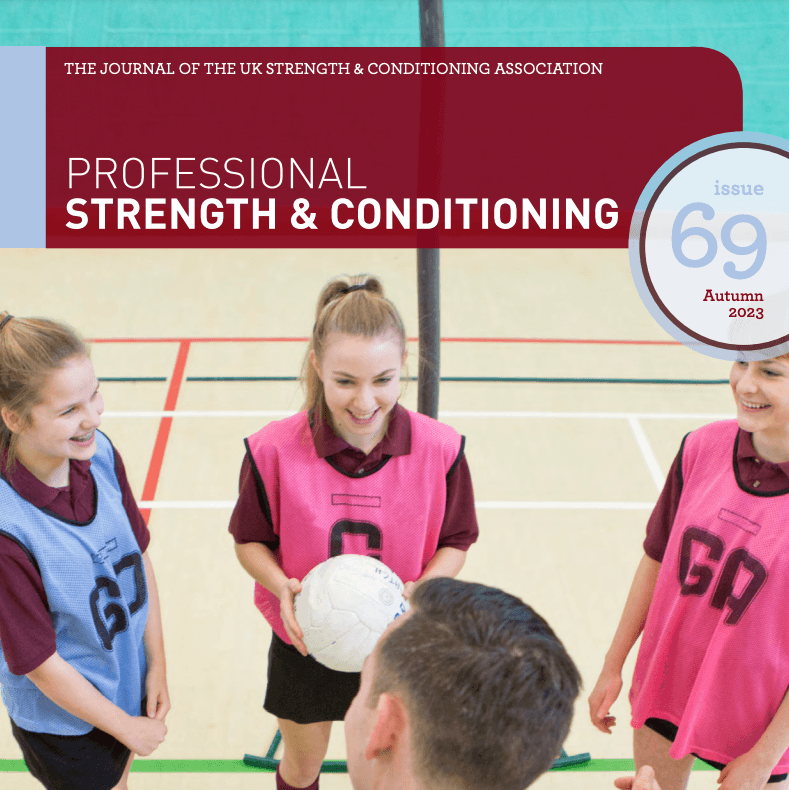
Professional Strength & Conditioning - Issue 69 - Autumn 2023
Various
How Best to Integrate S&C in Secondary Schools; Career Advice and the Girl's Pathway; Burnout: How to Avoid It.

Profile img
ARTICLE
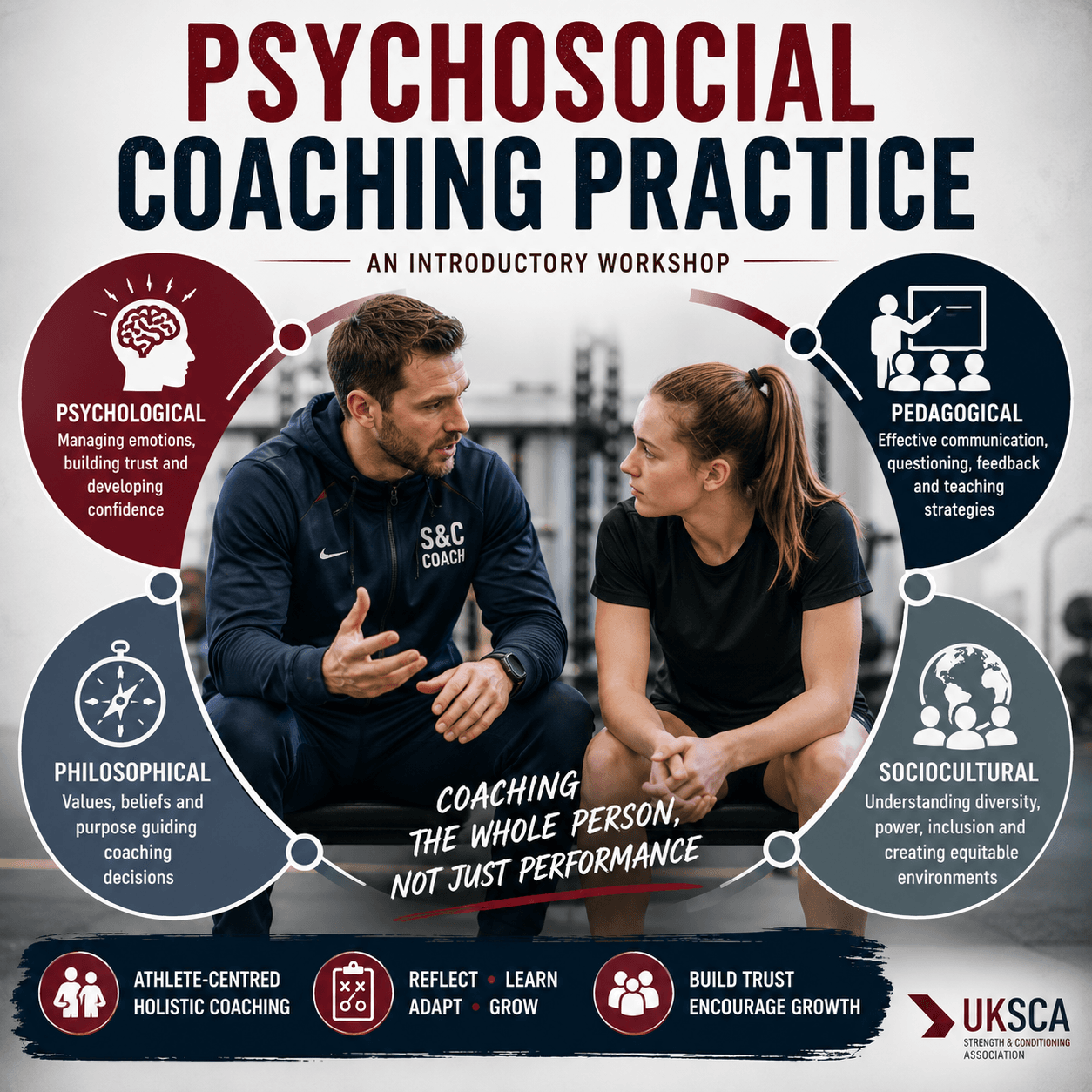
Psychosocial coaching practice: an introductory workshop
Discover why psychosocial coaching matters in strength and conditioning and how developing psychological, pedagogical, philosophical and sociocultural competencies can enhance athlete-centred coaching.

Profile img
ARTICLE
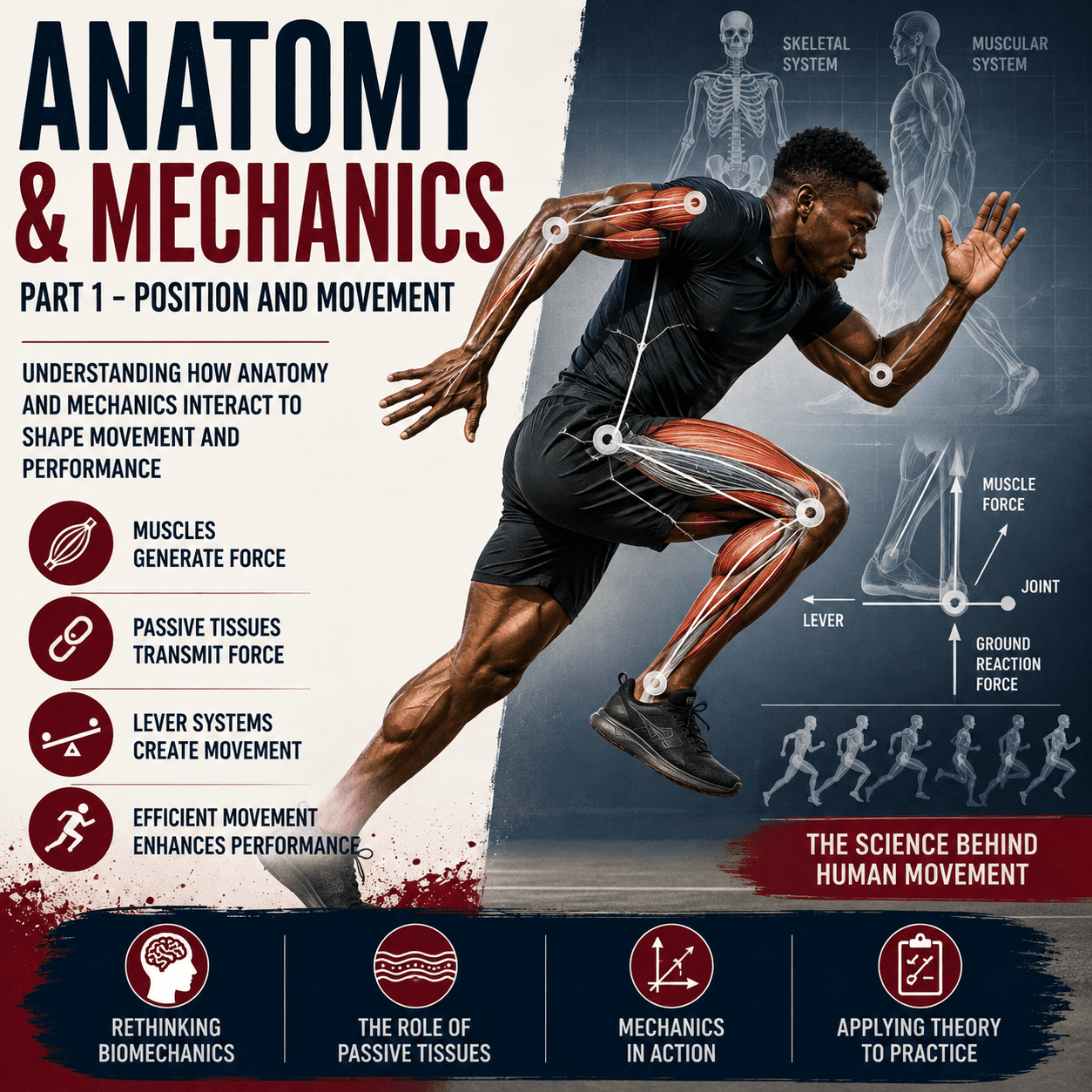
Anatomy and mechanics: Part 1 - Position and movement
Explore a modern perspective on anatomy and biomechanics, examining how passive tissues, fascia and mechanics influence movement, force transmission and athletic performance.

Profile img
ARTICLE
PREMIUM
Professional Strength & Conditioning - Issue 68 - Summer 2023
Various
Psychosocial Coaching; Career Periodisation; Anatomy and Mechanics and updates on Equality; Diversity and Inclusion in S&C.

Profile img
ARTICLE
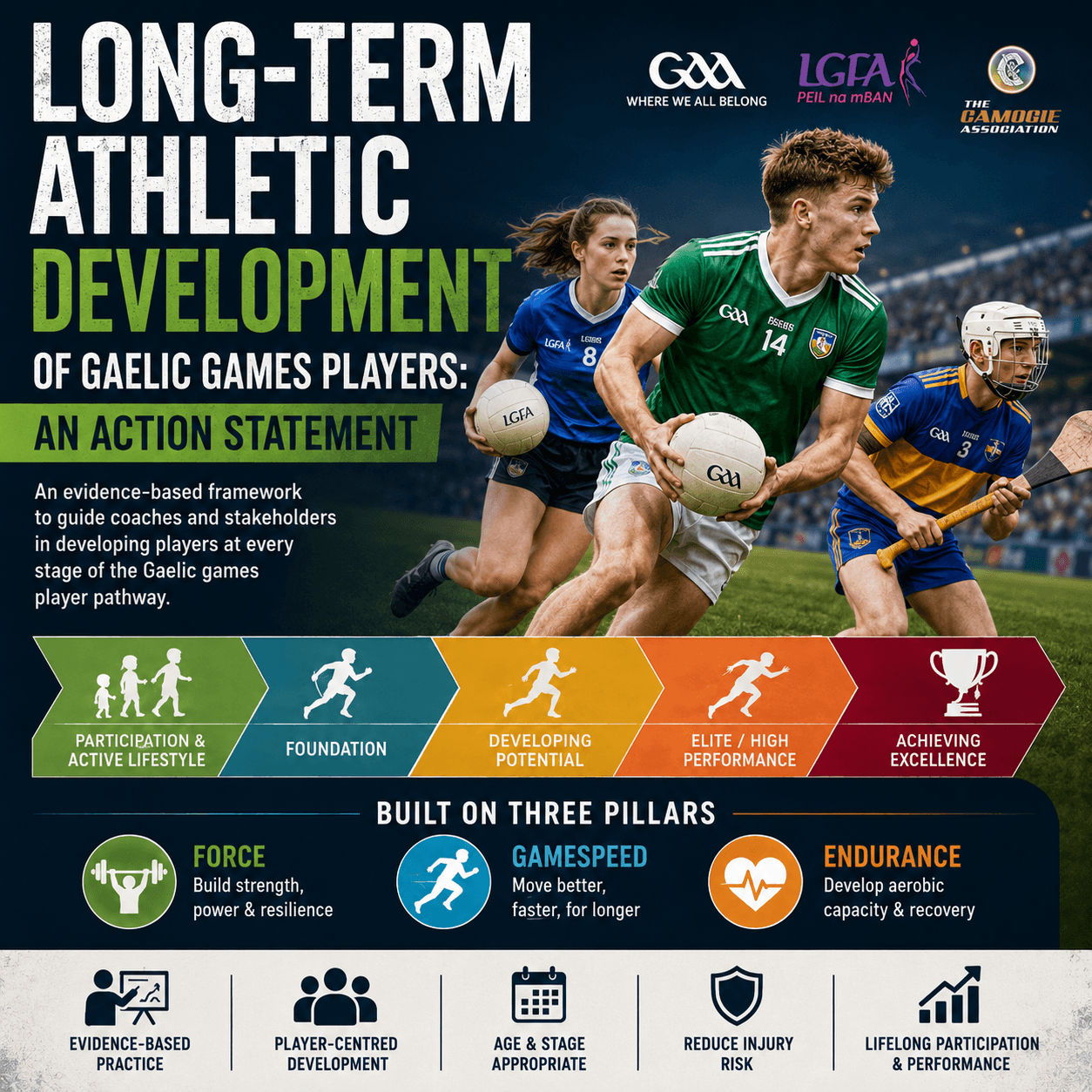
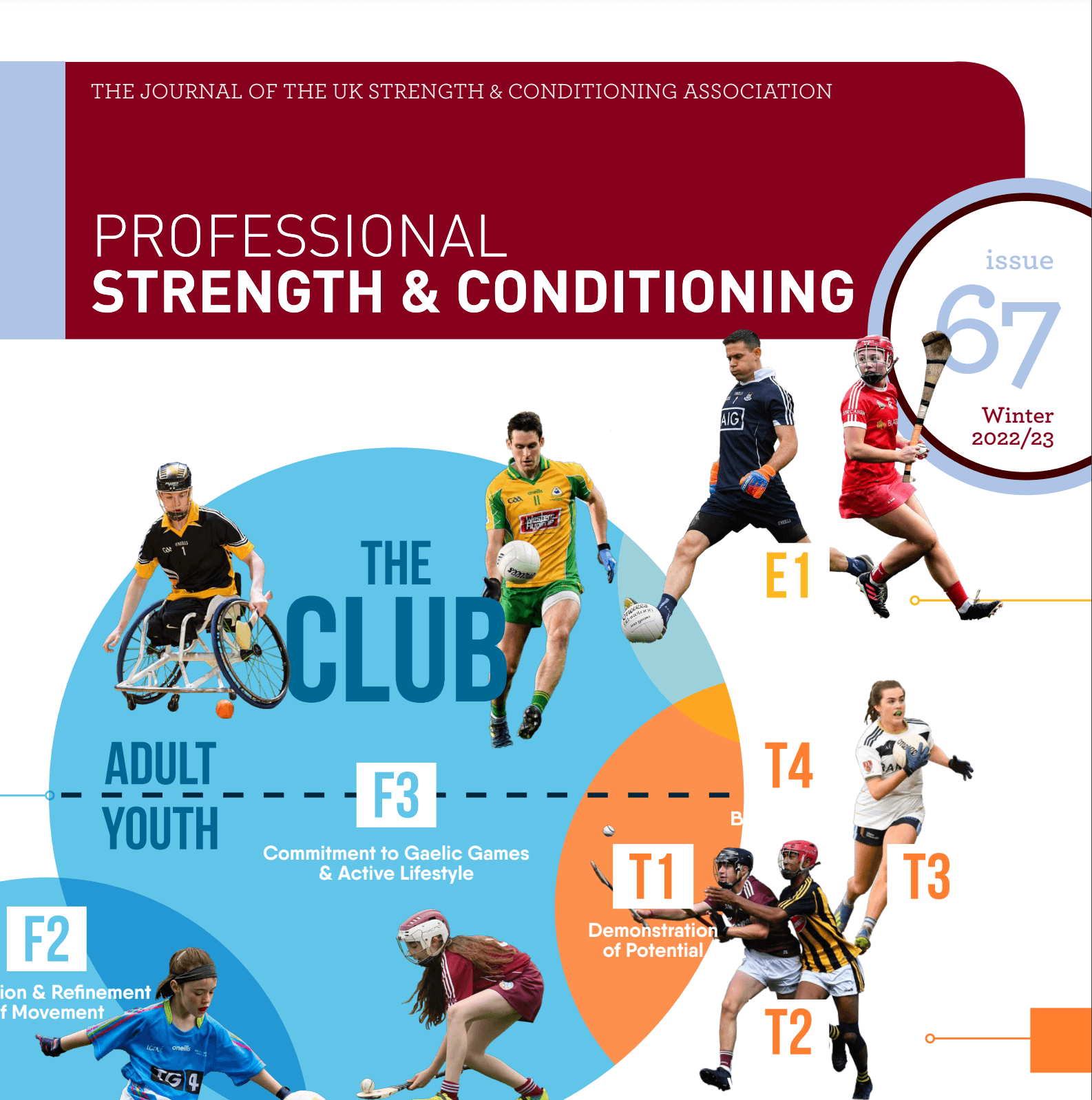
Long-term athletic development of Gaelic games players: an action statement
Explore an evidence-based action statement for the long-term athletic development of Gaelic games players, providing practical guidance for coaches, clubs, schools and player pathways.

Profile img
ARTICLE
PREMIUM
Professional Strength & Conditioning - Issue 67 - Winter 2022-23
Various
An action statement for Gaelic Games player development; The Importance of Diversity in S&C; Using Context and Gamespeed to transform Speed/Agility training.